

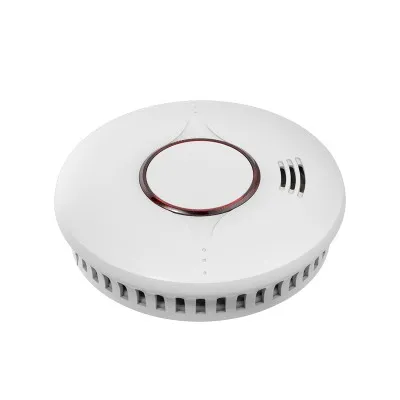


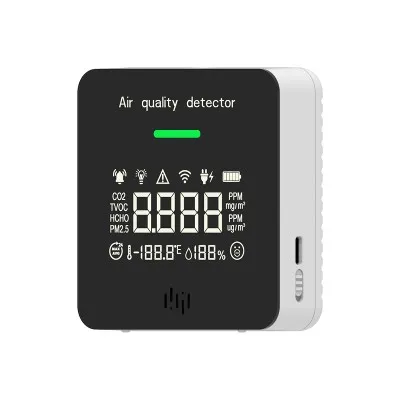


Hardwired smoke detectors are an essential part of home safety, providing reliable protection against the dangers of fire. One common question that homeowners often ask is whether hardwired smoke detectors have a low - battery indicator. As a supplier of high - quality hardwired smoke detectors, I'm here to shed light on this topic and provide you with all the necessary information.
How Hardwired Smoke Detectors Work
Hardwired smoke detectors are connected directly to your home's electrical system. This means they receive a continuous power supply, which is a significant advantage as it ensures that the detector is always operational as long as the electricity is on. However, most hardwired smoke detectors also come with a backup battery. This battery serves as a failsafe in case of a power outage, ensuring that the detector can still function and alert you to a fire.
The Importance of a Low - Battery Indicator
The backup battery in a hardwired smoke detector is crucial for its continuous operation. If the battery runs out, the detector may not work during a power outage, leaving your home vulnerable to fire. A low - battery indicator is a feature that alerts you when the battery's charge is running low. This gives you enough time to replace the battery and maintain the detector's functionality.
Do Hardwired Smoke Detectors Have a Low - Battery Indicator?
The answer is yes, most modern hardwired smoke detectors do come with a low - battery indicator. When the battery's charge drops below a certain level, the detector will emit a series of short beeps at regular intervals. This is a clear signal that the battery needs to be replaced. Some detectors may also have a visual indicator, such as a flashing light, to show that the battery is low.


Different Types of Low - Battery Indicators
There are two main types of low - battery indicators: audible and visual.
Audible Indicators
Audible indicators are the most common type. As mentioned earlier, they typically emit short, repetitive beeps to alert you to a low - battery condition. The frequency and pattern of the beeps may vary depending on the manufacturer and the model of the detector. For example, some detectors may beep once every minute, while others may beep more frequently.
Visual Indicators
Visual indicators are less common but can be very useful, especially for people with hearing impairments. These indicators usually consist of a light that flashes when the battery is low. Some detectors may also have a digital display that shows the battery's status, such as "low" or "replace battery."
Our Product Range
As a supplier of hardwired smoke detectors, we offer a wide range of products with advanced low - battery indicator features.
Kitemark Hardwired Smoke Detector
Our Kitemark Hardwired Smoke Detector is a top - of - the - line product that meets the highest safety standards. It comes with both audible and visual low - battery indicators. The audible beeps are loud and clear, ensuring that you won't miss the alert. The visual indicator is a bright, flashing light that can be easily seen from a distance.
RF Smoke Detector With 9V Battery
The RF Smoke Detector With 9V Battery is another great option. This detector uses radio frequency technology to communicate with other detectors in your home, creating a network of protection. It also has a reliable low - battery indicator that will keep you informed about the battery's status.
220V Smoke Detector With Battery
Our 220V Smoke Detector With Battery is designed for use in areas with a 220V power supply. It has a long - lasting battery and a sensitive low - battery indicator. The detector is easy to install and provides excellent protection for your home.
Maintaining Your Hardwired Smoke Detector
To ensure that your hardwired smoke detector works properly, it's important to perform regular maintenance. Here are some tips:
- Test the Detector Regularly: Press the test button on the detector at least once a month to make sure it's working. If the detector doesn't beep or the light doesn't flash, there may be a problem with the battery or the detector itself.
- Replace the Battery Annually: Even if the low - battery indicator hasn't gone off, it's a good idea to replace the battery once a year. This will ensure that the battery is always in good condition.
- Clean the Detector: Dust and debris can accumulate in the detector over time, affecting its performance. Use a soft brush or a can of compressed air to clean the detector every few months.
Why Choose Our Hardwired Smoke Detectors
- Reliability: Our detectors are built to last and are rigorously tested to ensure their reliability. The low - battery indicators are highly accurate, giving you peace of mind knowing that your home is protected.
- Advanced Technology: We use the latest technology in our detectors, including advanced sensors and reliable battery management systems. This ensures that our detectors can detect smoke quickly and accurately.
- Compliance: Our products meet all the relevant safety standards, including the Kitemark certification. This means that you can trust our detectors to provide the highest level of protection for your home.
Contact Us for Purchase and洽谈
If you're interested in purchasing our hardwired smoke detectors, we invite you to get in touch with us. Our team of experts is ready to assist you with any questions you may have and guide you through the purchasing process. Whether you need a single detector for your home or a large quantity for a commercial property, we can provide you with the right solution.
References
- National Fire Protection Association. (2023). NFPA 72: National Fire Alarm and Signaling Code.
- Underwriters Laboratories. (2022). UL 217: Standard for Smoke Alarms.


