

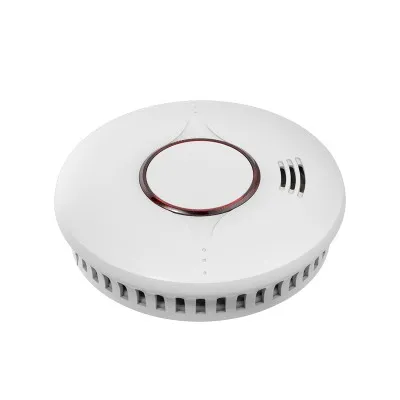




As a supplier of wireless heat detectors, I often get asked whether these devices have a self-test function. This is a crucial question for anyone looking to ensure the safety and reliability of their fire detection system. In this blog post, I'll delve into the details of self-test functions in wireless heat detectors, exploring their importance, how they work, and the benefits they offer.
The Importance of Self-Test Function in Wireless Heat Detectors
Safety is the top priority when it comes to fire detection. A malfunctioning heat detector can mean the difference between a timely response to a fire and a catastrophic event. Self-test functions play a vital role in ensuring that wireless heat detectors are operating correctly at all times. By regularly checking their own functionality, these detectors can alert users to any potential issues before they become serious problems.
Imagine a scenario where a heat detector fails due to a hardware fault or a software glitch. Without a self-test function, the detector could remain silent in the event of a fire, putting lives and property at risk. A self-testing detector, on the other hand, would quickly identify the issue and notify the user, allowing them to take prompt action to replace or repair the device.
How Self-Test Functions Work in Wireless Heat Detectors
Self-test functions in wireless heat detectors typically operate in one of two ways: automatic or manual.
- Automatic Self-Tests: These are scheduled tests that run in the background at regular intervals, such as once a day or once a week. During an automatic self-test, the detector checks its internal components, including the sensor, battery (if applicable), and communication module. It verifies that the sensor is able to detect changes in temperature accurately and that the other components are functioning properly. If any issues are detected, the detector will send an alert to the monitoring system or the user's device.
- Manual Self-Tests: In addition to automatic self-tests, most wireless heat detectors also allow users to perform manual self-tests. This can be useful for users who want to check the detector's functionality at any time, such as before leaving on a long trip or after a power outage. To perform a manual self-test, the user simply presses a button on the detector or uses a mobile app to initiate the test. The detector will then go through the same check-up process as in an automatic self-test and provide feedback on its status.
Benefits of Self-Test Function in Wireless Heat Detectors
There are several benefits to having a self-test function in wireless heat detectors:
- Enhanced Safety: By regularly checking their own functionality, self-testing detectors can ensure that they are always ready to detect a fire. This provides an extra layer of protection for homes, businesses, and other facilities.
- Early Detection of Issues: Self-test functions can identify potential problems with the detector before they cause a complete failure. This allows users to take corrective action early, reducing the risk of downtime and ensuring continuous protection.
- Peace of Mind: Knowing that their heat detectors are regularly tested and functioning properly gives users peace of mind. They can rest assured that their fire detection system is reliable and will alert them in the event of a fire.
- Compliance with Standards: Many fire safety standards and regulations require heat detectors to have a self-test function. By using self-testing wireless heat detectors, users can ensure that their fire detection system meets these requirements.
Comparing Wireless Heat Detectors with Other Types of Heat Detectors
When considering a fire detection system, it's important to compare wireless heat detectors with other types of heat detectors, such as Hard Wired Heat Alarms and Mains Power Heat Detector With Battery.
- Hard Wired Heat Alarms: These detectors are connected to a building's electrical system and require professional installation. While they offer a reliable power source, they may not be as flexible as wireless detectors and can be more difficult to install in existing buildings.
- Mains Power Heat Detectors With Battery: These detectors are also connected to the mains power supply but have a backup battery in case of a power outage. They offer the same reliability as hard wired detectors but with the added benefit of battery backup.
- Wireless Heat Detectors: These detectors use radio frequency (RF) technology to communicate with a monitoring system or other devices. They are easy to install and can be placed in areas where hard wired detectors are not practical. Wireless heat detectors with self-test functions offer the same level of safety and reliability as other types of detectors, with the added convenience of wireless connectivity.
The Role of Intelligent Heat Detectors
In recent years, there has been a growing trend towards the use of Intelligent Heat Detectors. These detectors use advanced algorithms and sensors to provide more accurate and reliable fire detection. They can also be integrated with other smart home or building management systems, allowing for remote monitoring and control.
Intelligent heat detectors often have self-test functions built in, which can further enhance their reliability and performance. These self-test functions can be more sophisticated than those in traditional heat detectors, allowing for more detailed diagnostics and troubleshooting.
Conclusion
In conclusion, self-test functions are an essential feature of wireless heat detectors. They play a crucial role in ensuring the safety and reliability of fire detection systems by regularly checking the detector's functionality and alerting users to any potential issues. Whether you're looking to protect your home or business, choosing a wireless heat detector with a self-test function is a smart investment.


If you're interested in learning more about our wireless heat detectors or would like to discuss your fire detection needs, please don't hesitate to contact us. We're here to help you find the right solution for your specific requirements.
References
- National Fire Protection Association (NFPA). NFPA 72: National Fire Alarm and Signaling Code.
- Underwriters Laboratories (UL). UL 521: Standard for Heat Detectors.
- International Electrotechnical Commission (IEC). IEC 60794-1-2: Optical Fibre Cables - Part 1-2: Generic Specification - Indoor Cables.


