





Hey there! As a supplier of Hardwired Heat Detectors, I know firsthand how frustrating false alarms can be. They not only disrupt daily operations but also erode trust in the safety system. So, let's dive into how you can reduce those pesky false alarms in your hardwired heat detector.
Understanding the Causes of False Alarms
Before we start fixing the problem, we need to know what's causing it. There are several common reasons for false alarms in hardwired heat detectors.
Environmental Factors
One of the biggest culprits is the environment. High humidity, for example, can cause condensation on the detector's sensors. This moisture can interfere with the sensor's ability to accurately detect heat, leading to false alarms. Extreme temperatures, both hot and cold, can also have a similar effect. If the detector is installed in an area that experiences rapid temperature changes, like near a kitchen or an industrial oven, it might mistake these normal temperature fluctuations for a fire.
Dust and Debris
Dust, dirt, and other debris can accumulate on the detector over time. This buildup can block the sensor's view of the surrounding area, or it can cause the sensor to misinterpret the heat it's detecting. For instance, if a lot of dust settles on the sensor, it might cause the detector to think that there's a rise in temperature when there really isn't.
Electrical Interference
Hardwired heat detectors rely on electrical signals to function. If there's electrical interference in the area, it can disrupt these signals and cause false alarms. This interference can come from a variety of sources, such as nearby electrical equipment, power surges, or electromagnetic fields.
Improper Installation
If the detector isn't installed correctly, it's more likely to give false alarms. For example, if it's installed too close to a heat source, like a light fixture or a heater, it might detect the normal heat from these sources as a fire. Also, if the wiring isn't done properly, it can lead to electrical issues that cause false alarms.
Tips to Reduce False Alarms
Choose the Right Location
The first step in reducing false alarms is to choose the right location for the detector. Avoid installing it near sources of heat, humidity, or dust. For example, don't put it in a kitchen, bathroom, or near an industrial process that generates a lot of heat or dust. Instead, look for areas that are relatively stable in terms of temperature and humidity. Also, make sure the detector has a clear view of the area it's supposed to monitor, without any obstructions.
Regular Maintenance
Regular maintenance is crucial for keeping your hardwired heat detector in good working condition. This includes cleaning the detector regularly to remove any dust or debris that might have accumulated on the sensor. You can use a soft brush or compressed air to gently clean the detector. It's also a good idea to check the wiring periodically to make sure there are no loose connections or signs of damage.
Upgrade Your Detector
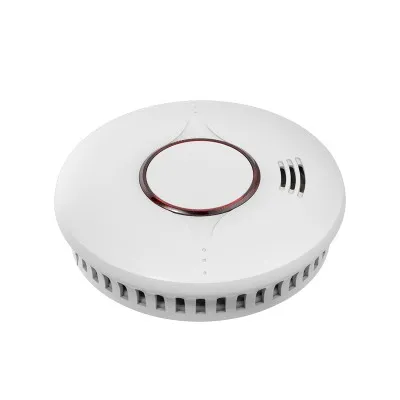
If you're still having problems with false alarms, it might be time to upgrade your detector. Newer models often have advanced features that can help reduce false alarms. For example, some detectors have built - in algorithms that can distinguish between normal temperature changes and a real fire. They can also adjust their sensitivity based on the environment. Check out our AC Powered Heat Detector with Battery Back Up, which is designed to be more reliable and less prone to false alarms.
Shield Against Electrical Interference
To protect your detector from electrical interference, you can use shielded wiring. This type of wiring has a special coating that helps block out electromagnetic fields. You can also install surge protectors to prevent power surges from damaging the detector. Additionally, make sure the detector is installed away from other electrical equipment that might cause interference.
Set the Right Sensitivity
Most hardwired heat detectors allow you to adjust the sensitivity level. If you set the sensitivity too high, the detector might be too sensitive to normal temperature changes and give false alarms. On the other hand, if you set it too low, it might not detect a real fire in time. You need to find the right balance based on the environment where the detector is installed.
Training and Education
It's important to train your staff on how to properly use and maintain the hardwired heat detectors. They should know what to do in case of an alarm, whether it's a real fire or a false alarm. Make sure they understand the importance of not tampering with the detector and how to recognize the signs of a potential problem, like a detector that's making strange noises or showing error lights.
Monitoring and Testing
Regularly monitor and test your hardwired heat detectors. You can use a test button on the detector to check if it's working properly. It's also a good idea to conduct more comprehensive tests on a regular basis, like using a heat source to simulate a fire. This will help you ensure that the detector is functioning correctly and that it can accurately detect a real fire.


Conclusion
Reducing false alarms in a hardwired heat detector is all about understanding the causes and taking the right steps to prevent them. By choosing the right location, performing regular maintenance, upgrading your detector if necessary, shielding against electrical interference, setting the right sensitivity, providing training, and conducting regular monitoring and testing, you can significantly reduce the number of false alarms.
If you're interested in improving the reliability of your heat detection system, we're here to help. Our Thermal Fire Alarm and Mains Powered Heat Detector are designed with the latest technology to minimize false alarms. Contact us for more information and to discuss your specific needs. We're ready to work with you to ensure the safety and efficiency of your premises.
References
- Fire Protection Handbook, National Fire Protection Association
- Manufacturer's manuals for hardwired heat detectors


