





Hey there! I'm a supplier of electrical plugs and sockets, and I've seen firsthand how high temperatures can mess with these essential components. In this blog, I'll share some tips on how to protect your electrical plugs and sockets from high temperatures.
First off, let's understand why high temperatures are a big deal. Electrical plugs and sockets are made of various materials, including plastics and metals. When exposed to high temperatures, these materials can degrade. Plastics may melt or become brittle, which can lead to cracks. These cracks can expose the live wires inside, creating a serious safety hazard. Metals can expand when heated, which might cause loose connections. Loose connections, in turn, generate more heat, creating a vicious cycle that can eventually lead to a fire.
One of the most common causes of high temperatures in electrical plugs and sockets is overloading. You know, when you plug in too many high - wattage devices into a single socket. It's like trying to fit too many people into a small room. The socket just can't handle the excessive current, and as a result, it heats up. To avoid this, always check the power rating of your devices. Make sure that the total wattage of the devices you're plugging into a socket doesn't exceed the socket's rated capacity. For example, if a socket is rated for 1500 watts, don't plug in a 1000 - watt heater, a 500 - watt hair dryer, and a 300 - watt computer all at once.
Another culprit is poor ventilation. Electrical plugs and sockets need proper air circulation to dissipate heat. If they're stuffed behind furniture, covered with rugs, or placed in enclosed spaces, the heat can't escape. So, make sure your sockets are installed in well - ventilated areas. Don't block them with objects. If you're using power strips, avoid stacking them on top of each other, as this can also restrict airflow.
Now, let's talk about the quality of the plugs and sockets themselves. As a supplier, I can't stress enough the importance of using high - quality products. Cheaper, low - quality plugs and sockets may not be designed to handle normal electrical loads without overheating. They may have thinner wires, which have higher resistance and thus generate more heat. When you're shopping for electrical plugs and sockets, look for products that are certified by relevant safety standards. For example, in the UK, look for the BS (British Standard) mark. These certified products are tested to ensure they can operate safely under normal conditions.
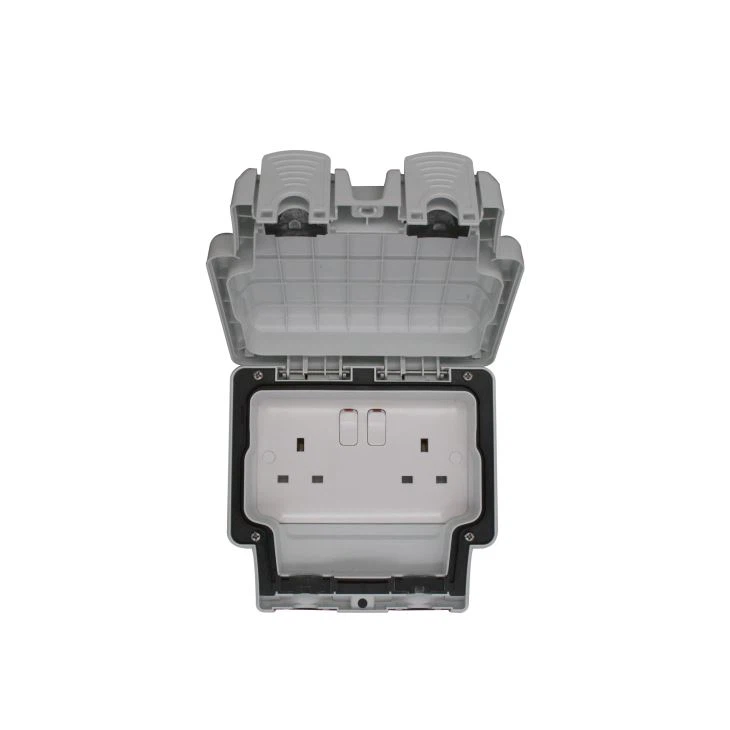
We offer a wide range of high - quality electrical plugs and sockets, such as the Switched Socket. This type of socket allows you to easily turn off the power to a device without having to unplug it, which can be really convenient and also help in reducing standby power consumption. Our Electrical Switch Socket is another great option. It combines the functionality of a switch and a socket, giving you more control over your electrical devices. And if you need a socket for outdoor use, our IP66 RCD Weatherproof Wall Socket With 2gang BS Socket Switch is a top - notch choice. It's designed to withstand harsh weather conditions while still providing reliable electrical connections.
Regular inspection is also crucial in protecting your electrical plugs and sockets from high temperatures. Check your plugs and sockets periodically for any signs of damage, such as discoloration, melting, or loose connections. If you notice any of these issues, replace the faulty component immediately. It's better to be safe than sorry. You can also use a non - contact infrared thermometer to measure the temperature of your sockets. If the temperature is significantly higher than normal, it's a sign that there might be a problem.
When it comes to installation, make sure it's done by a qualified electrician. A professional installer knows how to properly wire the plugs and sockets, ensuring that there are no loose connections or short circuits. Incorrect installation can lead to overheating and other safety problems.
In addition to these preventive measures, you can also use heat - resistant materials. Some electrical plugs and sockets come with heat - resistant coatings or are made from heat - resistant plastics. These materials can withstand higher temperatures without degrading as quickly.
If you're running a business or even just a homeowner looking to upgrade your electrical system, choosing the right electrical plugs and sockets is essential. High - quality products not only protect against high temperatures but also ensure the long - term safety and reliability of your electrical setup.
As a supplier, I'm always here to help you find the best electrical plugs and sockets for your needs. Whether you're looking for a simple switched socket for your home or a heavy - duty weatherproof socket for an industrial site, we've got you covered. If you're interested in our products or have any questions, feel free to reach out to us for a purchase and negotiation. We're committed to providing you with the best products and services at competitive prices.

References
- Electrical Safety Council. (n.d.). Electrical safety advice.
- National Fire Protection Association. (n.d.). Electrical fire safety.


