





As a supplier of smart home systems, one of the most common concerns our customers have is how these systems handle power outages. A power outage can disrupt the normal functioning of a smart home, leaving homeowners vulnerable and inconvenienced. In this blog post, we'll explore the various ways a smart home system can manage power outages, ensuring continuous protection and functionality.
Battery Backup Systems
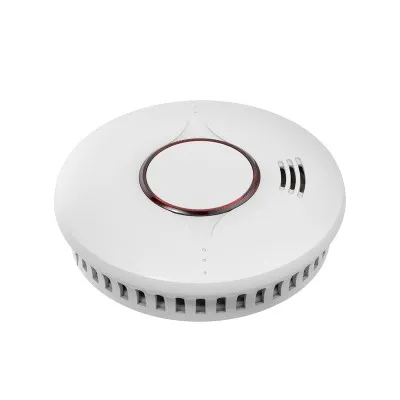
One of the most straightforward solutions to power outages in a smart home is the use of battery backup systems. Many smart home devices, such as Smart Smoke Alarm, come with built - in batteries. These batteries can provide power to the device for a limited period during a power outage. For example, a high - quality smart smoke alarm with a built - in lithium battery can continue to operate for several hours, ensuring that it can still detect smoke and alert the homeowners even when the main power is down.
Similarly, Wireless Infrared Detector PIR Sensor and Wifi Door Sensor can also be equipped with battery backups. These sensors are crucial for home security, and their continuous operation during a power outage can prevent unauthorized access. The battery - powered operation allows these sensors to keep monitoring the premises and send alerts to the homeowner's smartphone or other connected devices.
Uninterruptible Power Supply (UPS)
For a more comprehensive solution, an Uninterruptible Power Supply (UPS) can be used to power the entire smart home system. A UPS is a device that provides emergency power to a system when the main power source fails. It typically consists of a battery and an inverter. When the power goes out, the UPS immediately switches to battery power, allowing the smart home system to continue operating without interruption.
A UPS can be connected to the router, smart hub, and other critical components of the smart home system. This ensures that the system remains connected to the internet and can still be controlled remotely. For instance, if a homeowner is away from home during a power outage, they can still access their smart home system through their smartphone app and check the status of their devices.
Energy Management and Prioritization
Smart home systems can also be designed to manage energy consumption and prioritize essential functions during a power outage. Some advanced smart home hubs are capable of detecting a power outage and automatically adjusting the operation of connected devices. For example, non - essential devices such as smart lights or entertainment systems can be turned off to conserve battery power, while critical devices like security sensors and emergency lighting are kept running.
This energy management feature is especially useful in situations where the battery backup or UPS has limited capacity. By prioritizing essential functions, the smart home system can ensure that the most important aspects of home security and comfort are maintained during a power outage.
Communication and Alerts
During a power outage, it's crucial for homeowners to be informed about the status of their smart home system. Many smart home devices are designed to send alerts to the homeowner's smartphone when a power outage occurs. These alerts can include information about which devices are still operating on battery power and how much battery life is remaining.
In addition, some smart home systems can be integrated with utility companies to receive real - time information about power outages in the area. This allows homeowners to plan ahead and take appropriate measures to protect their homes. For example, if a power outage is expected to last for an extended period, the homeowner can use the smart home system to turn off all non - essential devices and conserve energy.
Manual Override and Off - Grid Functionality
In some cases, a power outage may last for an extended period, and the battery backup or UPS may run out of power. To address this issue, many smart home devices are equipped with manual override features. For example, a smart lock can be opened manually using a physical key, even if the power is out. This ensures that homeowners can still access their homes in an emergency.
Some smart home systems also support off - grid functionality. This means that they can be powered by alternative energy sources such as solar panels or generators. By integrating these alternative energy sources, homeowners can ensure that their smart home system remains operational even during long - term power outages.
Testing and Maintenance
To ensure that a smart home system can effectively handle power outages, regular testing and maintenance are essential. Homeowners should test their battery - powered devices periodically to ensure that the batteries are working properly. They should also check the UPS to make sure it is fully charged and functioning correctly.


In addition, it's important to keep the smart home system software up - to - date. Software updates often include improvements to the system's power management and outage handling capabilities. By staying up - to - date with the latest software, homeowners can ensure that their smart home system is always prepared for a power outage.
Conclusion
In conclusion, a well - designed smart home system can effectively handle power outages through a combination of battery backup systems, UPS, energy management, communication, and manual override features. As a smart home system supplier, we are committed to providing our customers with high - quality products and solutions that ensure the continuous operation of their smart homes, even during power outages.
If you're interested in learning more about our smart home systems and how they can handle power outages, or if you're looking to purchase a smart home system for your home, we encourage you to contact us for a consultation. Our team of experts is ready to help you find the best solution for your needs.
References
- "Smart Home Technology: A Comprehensive Guide", published by Tech Publishing
- "Power Management in Smart Home Systems", research paper by University of Technology


