

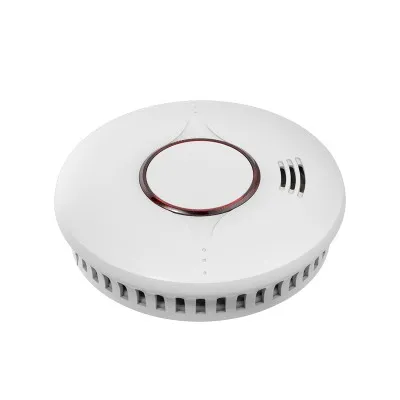




As a supplier of Intelligent Heat Detectors, I am often asked about how these devices work, especially in the context of storage rooms. Storage rooms are unique environments that can present specific challenges for heat detection. In this blog post, I will delve into the mechanisms behind how an Intelligent Heat Detector detects heat in storage rooms, exploring the technology, its advantages, and practical considerations.
Understanding the Basics of Heat Detection
Before we dive into the specifics of storage room applications, it's important to understand the fundamental principles of heat detection. Heat detectors are designed to sense changes in temperature and trigger an alarm when certain thresholds are reached. There are two main types of heat detectors: fixed temperature and rate-of-rise.
Fixed temperature heat detectors are set to activate when the ambient temperature reaches a pre-determined level, typically around 57°C (135°F) or 70°C (158°F). These detectors are suitable for environments where a sudden increase in temperature is not expected, but a high temperature could indicate a fire.
Rate-of-rise heat detectors, on the other hand, are designed to detect a rapid increase in temperature over a short period. They are more sensitive to sudden changes in heat and can provide an early warning of a developing fire.


How Intelligent Heat Detectors Work
Intelligent Heat Detectors take the basic principles of heat detection a step further by incorporating advanced technology and smart features. These detectors are equipped with microprocessors that continuously monitor the temperature and analyze the data in real-time. This allows them to distinguish between normal temperature fluctuations and potentially dangerous heat sources.
One of the key features of an Intelligent Heat Detector is its ability to adapt to changing environmental conditions. In a storage room, the temperature can vary depending on factors such as the type of goods stored, the ventilation system, and the time of day. Intelligent Heat Detectors can adjust their sensitivity settings accordingly, ensuring reliable performance in different situations.
Another advantage of Intelligent Heat Detectors is their self-diagnostic capabilities. These detectors can continuously monitor their own performance and detect any malfunctions or faults. If a problem is detected, the detector can send an alert to the control panel or a remote monitoring system, allowing for prompt maintenance and repair.
Detecting Heat in Storage Rooms
Storage rooms can present unique challenges for heat detection due to their size, layout, and the nature of the goods stored. Here are some of the key considerations when using Intelligent Heat Detectors in storage rooms:
Placement
Proper placement of heat detectors is crucial for effective heat detection. In a storage room, detectors should be installed in areas where heat is likely to accumulate, such as near the ceiling or in corners. They should also be placed away from sources of interference, such as ventilation ducts or large equipment.
It's important to note that the number and placement of heat detectors will depend on the size and layout of the storage room. In general, larger rooms will require more detectors to ensure comprehensive coverage.
Sensitivity Settings
As mentioned earlier, Intelligent Heat Detectors can adjust their sensitivity settings based on the environmental conditions. In a storage room, it's important to set the sensitivity levels appropriately to avoid false alarms. This may require some experimentation and calibration to find the optimal settings for your specific storage room.
Integration with Other Systems
Intelligent Heat Detectors can be integrated with other fire safety systems, such as smoke detectors, sprinklers, and alarm panels. This allows for a more comprehensive fire protection solution and can provide early warning and rapid response in the event of a fire.
For example, if a heat detector detects a high temperature, it can trigger an alarm and activate the sprinkler system to suppress the fire. This can help to minimize damage and prevent the spread of the fire.
Advantages of Using Intelligent Heat Detectors in Storage Rooms
There are several advantages to using Intelligent Heat Detectors in storage rooms:
Early Warning
Intelligent Heat Detectors can provide early warning of a developing fire, allowing for prompt evacuation and fire suppression. This can help to minimize damage to the stored goods and prevent the spread of the fire to other areas of the building.
Reduced False Alarms
By using advanced technology and smart features, Intelligent Heat Detectors can reduce the number of false alarms. This can save time and resources by eliminating unnecessary evacuations and investigations.
Remote Monitoring
Many Intelligent Heat Detectors can be connected to a remote monitoring system, allowing for real-time monitoring and control. This can provide peace of mind for facility managers and allow for quick response in the event of an emergency.
Cost-Effective
While Intelligent Heat Detectors may have a higher upfront cost than traditional heat detectors, they can provide long-term cost savings by reducing the risk of fire damage and minimizing downtime.
Conclusion
Intelligent Heat Detectors are a valuable tool for heat detection in storage rooms. By using advanced technology and smart features, these detectors can provide reliable and accurate heat detection, early warning of a developing fire, and reduced false alarms.
If you are interested in learning more about our Intelligent Heat Detector or other fire safety products, please [contact us](insert contact information). Our team of experts can provide you with more information and help you choose the right solution for your specific needs.
References
- NFPA 72: National Fire Alarm and Signaling Code
- ISO 7240: Fire detection and alarm systems
- Manufacturer's product manuals and specifications


