

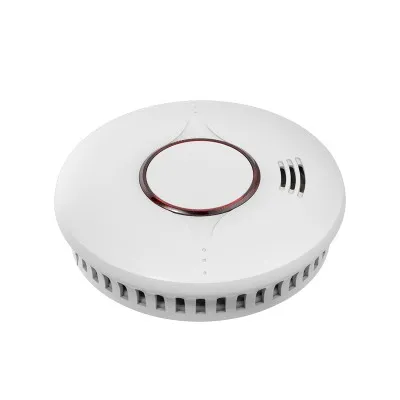


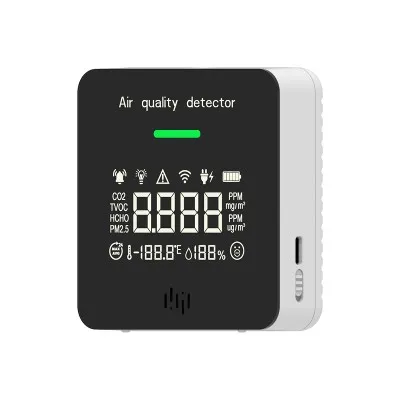


Humidity is a crucial environmental factor that can significantly influence the performance of various electronic devices, and RF heat detectors are no exception. As a leading supplier of RF heat detectors, we understand the importance of comprehending how humidity affects these devices. In this blog post, we will delve into the intricate relationship between humidity and RF heat detectors, exploring the mechanisms through which humidity can impact their functionality and performance.
Understanding RF Heat Detectors
Before we dive into the effects of humidity, let's briefly understand what RF heat detectors are. RF heat detectors are advanced devices designed to detect changes in temperature and transmit this information wirelessly using radio frequency (RF) technology. These detectors are commonly used in a wide range of applications, including residential, commercial, and industrial settings, to provide early warning of potential fire hazards.
RF heat detectors typically consist of a temperature sensor, a microcontroller, and an RF transceiver. The temperature sensor measures the ambient temperature, and if the temperature exceeds a pre - set threshold, the microcontroller triggers an alarm signal, which is then transmitted via the RF transceiver to a central monitoring system or other connected devices.
How Humidity Affects RF Heat Detectors
Impact on Temperature Sensing
One of the primary ways humidity affects RF heat detectors is through its influence on temperature sensing. Humidity can cause the apparent temperature to deviate from the actual dry - bulb temperature. This is because water vapor in the air can absorb and release heat, altering the thermal environment around the temperature sensor.
In high - humidity conditions, the presence of water vapor can slow down the rate at which heat is transferred from the surrounding environment to the temperature sensor. This can lead to a delay in the detection of rising temperatures, potentially allowing a fire to spread further before the detector triggers an alarm. Conversely, in low - humidity conditions, the air is drier, and heat transfer may occur more rapidly. However, extremely low humidity can also cause issues, such as static electricity buildup, which can interfere with the proper functioning of the detector's electronic components.
Electrical Conductivity and Corrosion
Humidity can also affect the electrical conductivity of the materials within the RF heat detector. High humidity levels can increase the moisture content on the surface of electronic components, which may lead to a decrease in electrical resistance. This can cause electrical leakage currents, which can disrupt the normal operation of the detector and potentially lead to false alarms or even device failure.
Moreover, the presence of moisture can accelerate the corrosion of metal parts in the detector. Corrosion can damage the electrical connections, sensors, and other critical components, reducing the detector's sensitivity and reliability over time. For example, corrosion on the contacts of the temperature sensor can cause inaccurate temperature readings, while corrosion on the RF transceiver can weaken the wireless signal strength.
Signal Propagation
RF heat detectors rely on radio frequency signals to communicate with other devices. Humidity can have a significant impact on the propagation of these RF signals. Water vapor in the air can absorb and scatter RF signals, reducing their strength and range. In high - humidity environments, the attenuation of RF signals can be more pronounced, which means that the detector may have difficulty transmitting alarm signals over long distances or through obstacles.


This can be particularly problematic in large - scale industrial or commercial settings where multiple detectors are installed, and a reliable wireless communication network is essential for effective fire detection and response. If the RF signals are weakened by humidity, the central monitoring system may not receive timely and accurate information from the detectors, compromising the overall safety of the facility.
Mitigating the Effects of Humidity
As a supplier of RF heat detectors, we are committed to developing products that can withstand the challenges posed by humidity. Here are some of the strategies we employ to mitigate the effects of humidity on our detectors:
Sealing and Encapsulation
We use high - quality sealing materials to protect the internal components of our RF heat detectors from moisture ingress. By encapsulating the sensitive electronic parts in a moisture - resistant enclosure, we can prevent water vapor from coming into contact with the components, reducing the risk of electrical conductivity issues and corrosion.
Calibration and Compensation
Our detectors are equipped with advanced calibration algorithms that can compensate for the effects of humidity on temperature sensing. These algorithms take into account the humidity levels in the environment and adjust the temperature readings accordingly, ensuring accurate and reliable detection even in varying humidity conditions.
Signal Enhancement
To overcome the challenges of RF signal attenuation in high - humidity environments, we incorporate signal enhancement technologies in our detectors. These technologies can boost the strength of the RF signals, improving the communication range and reliability of the detectors.
Our Product Range
We offer a wide range of RF heat detectors to meet the diverse needs of our customers. Our Intelligent Heat Detector is equipped with advanced sensors and algorithms that can accurately detect changes in temperature and humidity, providing more comprehensive fire protection. The Mains Power Heat Detector With Battery offers reliable operation even in the event of a power outage, ensuring continuous protection. And our Hard Wired Heat Alarms provide a stable and secure connection, ideal for applications where a wired solution is preferred.
Contact Us for Procurement and Consultation
If you are looking for high - quality RF heat detectors that can perform reliably in various humidity conditions, look no further. We are dedicated to providing our customers with the best products and services. Whether you have questions about our product range, need technical support, or are interested in a procurement consultation, we are here to help. Contact us today to discuss your specific requirements and find the perfect RF heat detector solution for your needs.
References
- ASTM International. (2019). Standard Test Methods for Determining the Performance of Heat Detectors for Fire - Protection Signaling Systems. ASTM E2074 - 19.
- National Fire Protection Association. (2019). NFPA 72: National Fire Alarm and Signaling Code.
- International Electrotechnical Commission. (2017). IEC 60730 - 2 - 9: Automatic electrical controls - Part 2 - 9: Particular requirements for temperature sensitive controls for household and similar use.


