





Hey there! As a supplier of Portable Heat Detectors, I often get asked about how loud the alarm of these nifty devices is. It's a crucial question, especially when it comes to ensuring safety in various settings. So, let's dive right into it and explore the ins and outs of the alarm volume of Portable Heat Detectors.
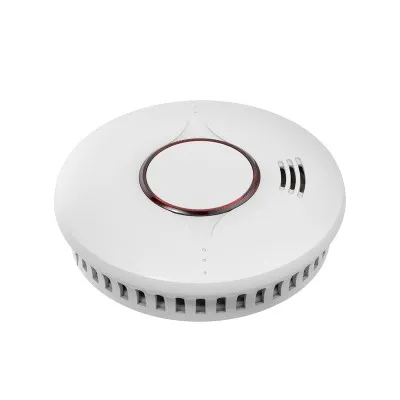
First off, what exactly is a Portable Heat Detector? Well, it's a compact and handy device designed to detect an increase in temperature, which could be a sign of a potential fire. These detectors are great because they're easy to move around and can be used in different places, like homes, offices, or even small workshops.
Now, let's talk about the alarm. The loudness of a Portable Heat Detector's alarm is measured in decibels (dB). Decibels are a unit that measures the intensity of sound. The louder the sound, the higher the decibel level. Most Portable Heat Detectors on the market have an alarm that ranges from about 80 dB to 100 dB. To put that into perspective, normal conversation is around 60 dB, and a vacuum cleaner is about 70 dB. So, an alarm in the 80 - 100 dB range is pretty loud and can definitely get your attention.
But why does the alarm need to be so loud? Well, the main reason is safety. When there's a fire or a significant rise in temperature, you need to be alerted as quickly as possible. A loud alarm ensures that you can hear it even if you're in another room or if there's some background noise. For example, if you're in a noisy kitchen or if you're wearing headphones, a loud alarm can cut through the noise and let you know that there's a problem.
There are different types of Portable Heat Detectors, and each might have a slightly different alarm volume. For instance, Battery Operated Heat Alarm are very popular because they're easy to install and don't require any wiring. These detectors usually have an alarm that's in the mid - range of the decibel scale, around 85 - 95 dB. They're great for places where you don't have access to a power outlet or where you want to be able to move the detector around easily.
On the other hand, Mains Heat Detector are connected to the electrical system of a building. These detectors often have a more powerful alarm, sometimes reaching up to 100 dB. The advantage of a mains - powered detector is that it's always connected and ready to go, and the stronger alarm can cover a larger area.
The alarm volume can also be affected by the design of the detector. Some detectors have a built - in speaker that's designed to project the sound in a specific direction or to disperse it evenly throughout a room. This can make the alarm seem louder or more effective in getting your attention. Additionally, the quality of the speaker and the electronics inside the detector can also play a role in how loud and clear the alarm is.
Another factor to consider is the environment where the detector will be used. If you're using it in a small, enclosed space like a closet or a storage room, a lower - volume alarm might be sufficient. However, if you're using it in a large open area like a warehouse or a factory, you'll probably want a detector with a louder alarm.
It's also important to note that the alarm volume can change over time. If the battery in a battery - operated detector is running low, the alarm might not be as loud as it should be. That's why it's crucial to regularly check the batteries and replace them when needed. For mains - powered detectors, any electrical issues or problems with the wiring can also affect the alarm volume.


So, how do you choose the right Portable Heat Detector based on the alarm volume? First, think about where you'll be using it. If it's for a home, a detector with an alarm in the 85 - 90 dB range should be fine for most rooms. But if you have a large house or if you're concerned about hearing the alarm from a distance, you might want to go for a detector with a louder alarm.
If you're using the detector in a commercial setting, you'll need to consider the size of the area and the level of background noise. In a noisy factory, for example, you'll definitely want a detector with an alarm that's at least 95 dB or higher.
As a supplier, I can tell you that we test all our Portable Heat Detectors to ensure that the alarm volume meets the required standards. We also provide detailed information about the alarm volume in the product specifications so that you can make an informed decision.
If you're interested in purchasing a Portable Heat Detector, we'd love to have a chat with you. Whether you have questions about the alarm volume, the different types of detectors, or anything else, our team is here to help. Just reach out to us, and we can start a conversation about finding the perfect detector for your needs.
In conclusion, the alarm volume of a Portable Heat Detector is an important factor to consider when it comes to safety. A loud and clear alarm can make all the difference in alerting you to a potential fire. With the right detector, you can have peace of mind knowing that you'll be quickly notified if there's a problem. So, don't hesitate to get in touch if you're looking for a reliable Portable Heat Detector.
References
- National Fire Protection Association (NFPA) standards on heat detectors
- Various manufacturers' product specifications for Portable Heat Detectors


