

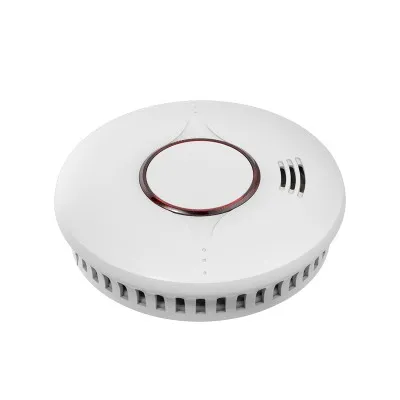




Calibration is a crucial process for ensuring the accuracy and reliability of heat detectors with cable. As a supplier of these sophisticated devices, I often receive inquiries about the optimal calibration frequency. In this blog post, I'll delve into the factors that influence calibration intervals and provide some general guidelines to help you determine how often your heat detector with cable should be calibrated.
Understanding the Importance of Calibration
Before discussing the calibration frequency, it's essential to understand why calibration is necessary. Heat detectors with cable are designed to detect changes in temperature and trigger an alarm when a predefined threshold is reached. Over time, various factors can cause the detector's performance to drift, leading to inaccurate temperature readings or false alarms. Calibration involves comparing the detector's output to a known standard and adjusting it if necessary to ensure that it provides accurate and consistent results.
Accurate temperature detection is critical for the safety of any environment, whether it's a commercial building, industrial facility, or residential property. A malfunctioning heat detector could fail to detect a fire, putting lives and property at risk. Regular calibration helps to prevent such scenarios by ensuring that the detector is operating within its specified tolerances and can respond quickly and accurately to changes in temperature.
Factors Influencing Calibration Frequency
The optimal calibration frequency for a heat detector with cable depends on several factors, including the following:
1. Manufacturer's Recommendations
The first place to look for guidance on calibration frequency is the manufacturer's documentation. Most manufacturers provide specific recommendations based on the design and specifications of their detectors. These recommendations take into account factors such as the type of sensor used, the operating environment, and the expected lifespan of the detector. Following the manufacturer's guidelines is the best way to ensure that your detector is calibrated at the appropriate intervals and remains in good working condition.
2. Operating Environment
The environment in which the heat detector is installed can have a significant impact on its performance and calibration requirements. Detectors installed in harsh or demanding environments, such as industrial facilities, chemical plants, or areas with high levels of dust, humidity, or vibration, may require more frequent calibration than those installed in normal indoor environments. These conditions can cause the detector's components to degrade more quickly, leading to increased drift and reduced accuracy.
For example, in a manufacturing plant where there are high levels of dust and debris, the detector's sensor may become clogged, affecting its ability to detect changes in temperature accurately. In such cases, it may be necessary to calibrate the detector more frequently, perhaps every six months or even quarterly, to ensure that it continues to function properly.
3. Usage and Exposure
The frequency of use and the level of exposure to extreme temperatures can also affect the calibration requirements of a heat detector with cable. Detectors that are used frequently or are exposed to high temperatures on a regular basis may experience more wear and tear, leading to a greater likelihood of drift and reduced accuracy.
For instance, in a kitchen or a boiler room where the temperature can fluctuate significantly, the detector may be subjected to more stress than in a normal office environment. In these situations, it may be advisable to calibrate the detector more often to ensure that it remains reliable and accurate.
4. Regulatory Requirements
In some industries and applications, there may be specific regulatory requirements regarding the calibration of heat detectors. These requirements are typically designed to ensure the safety and compliance of the facility and may specify the minimum calibration frequency and the procedures that must be followed.
For example, in the healthcare industry, where patient safety is of utmost importance, heat detectors may be required to be calibrated annually or more frequently to meet regulatory standards. It's essential to familiarize yourself with any relevant regulations and ensure that your detectors are calibrated in accordance with these requirements.
General Calibration Guidelines
While the specific calibration frequency for a heat detector with cable will depend on the factors mentioned above, the following general guidelines can provide a starting point:


- Normal Indoor Environments: In a typical office, residential, or commercial building with a stable operating environment, it's generally recommended to calibrate heat detectors with cable annually. This interval allows for regular checks to ensure that the detector is functioning properly and can detect changes in temperature accurately.
- Harsh or Demanding Environments: As mentioned earlier, detectors installed in harsh or demanding environments may require more frequent calibration. In these cases, a calibration interval of six months or even quarterly may be necessary to maintain the detector's accuracy and reliability.
- New or Recently Installed Detectors: When a new heat detector with cable is installed, it's a good practice to calibrate it before putting it into service. This initial calibration helps to ensure that the detector is properly configured and is providing accurate readings from the start. Additionally, it's advisable to perform a follow-up calibration after the first few months of operation to check for any initial drift or performance issues.
The Calibration Process
Calibrating a heat detector with cable typically involves the following steps:
- Preparation: Before starting the calibration process, it's important to ensure that the detector is clean and free from any debris or contaminants. This may involve removing the detector from its mounting and cleaning it using a soft brush or compressed air.
- Testing: The next step is to test the detector's performance using a calibrated temperature source. This can be a temperature-controlled oven or a portable temperature calibrator. The detector is exposed to a series of known temperatures, and its output is compared to the expected values.
- Adjustment: If the detector's output deviates from the expected values, adjustments may be necessary. This can involve adjusting the detector's settings or replacing any faulty components.
- Verification: After the adjustments have been made, the detector is retested to ensure that it is now providing accurate readings within the specified tolerances.
- Documentation: Finally, it's important to document the calibration process, including the date of calibration, the results of the tests, and any adjustments that were made. This documentation serves as a record of the detector's performance and can be used for future reference and compliance purposes.
Interlinked Heat Alarm and Other Related Products
As a supplier of heat detectors with cable, we also offer a range of other related products, including Interlinked Heat Alarm, One go all go smoke alarm CE BSI, and Heat Fire Detector. These products are designed to work together to provide comprehensive fire detection and alarm solutions for a variety of applications.
Our interlinked heat alarms are connected together so that when one alarm is triggered, all the other alarms in the system will also sound. This provides an additional level of safety and ensures that everyone in the building is alerted in the event of a fire. The one go all go smoke alarm CE BSI is a hardwired smoke alarm with a battery backup, providing reliable protection even in the event of a power outage. Our heat fire detector is an optical heat alarm that uses advanced technology to detect changes in temperature and provide early warning of a fire.
Contact Us for Procurement and Consultation
If you're in the market for heat detectors with cable or any of our other related products, we'd be happy to discuss your requirements and provide you with a quote. Our team of experts can also offer advice on the optimal calibration frequency for your detectors based on your specific operating environment and usage patterns.
Whether you're a building owner, facility manager, or contractor, we understand the importance of having reliable and accurate fire detection systems in place. That's why we're committed to providing high-quality products and exceptional customer service. Contact us today to learn more about our products and services and to start the procurement process.
References
- National Fire Protection Association (NFPA). NFPA 72: National Fire Alarm and Signaling Code.
- International Electrotechnical Commission (IEC). IEC 60730-1: Automatic electrical controls - Part 1: General requirements.
- Manufacturer's documentation for heat detectors with cable.


