

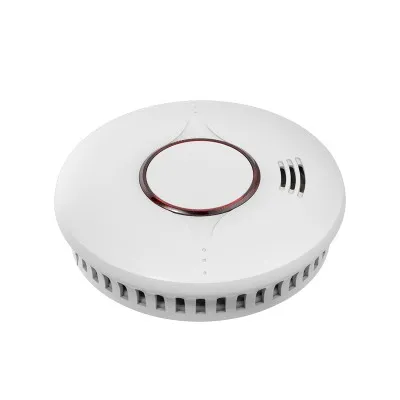




Hey there! I'm a supplier of Heat Detectors with Cable, and today I'm gonna walk you through the process of installing one on a wall. It might seem a bit tricky at first, but with the right steps and a bit of patience, you'll have it up and running in no time.
First things first, you gotta gather all the tools you'll need. You'll need a drill, some screws, a screwdriver, wire strippers, and of course, your heat detector with cable. Make sure you've got everything before you start, so you don't have to stop in the middle of the installation.
Once you've got your tools ready, it's time to choose the right location for your heat detector. You want to place it on a wall that's away from any sources of heat or drafts, like heaters, air conditioners, or vents. A good rule of thumb is to install it at least 12 inches away from any walls or ceilings. Also, make sure it's in an area where it can easily detect heat, like near the center of a room.


Now, let's start the installation process. First, use your drill to make holes in the wall where you want to mount the heat detector. Make sure the holes are the right size for the screws you're using. Once you've made the holes, insert the screws into the wall, but don't fully tighten them yet.
Next, take your heat detector with cable and align it with the holes in the wall. Carefully place it over the screws and then use your screwdriver to tighten the screws until the heat detector is securely mounted on the wall.
After mounting the heat detector, it's time to connect the cable. Use your wire strippers to strip the ends of the cable, exposing the wires inside. Then, follow the instructions that came with your heat detector to connect the wires to the appropriate terminals on the detector. Make sure the connections are tight and secure.
Once you've connected the cable, it's a good idea to test the heat detector to make sure it's working properly. Most heat detectors have a test button that you can press to check if it's functioning. If the alarm goes off when you press the test button, then you're good to go!
Now, let's talk about some of the different types of heat detectors we offer. We have the 240V Heat Alarm, which is a hardwired heat detector that runs on 240 volts. This type of heat detector is great for commercial or industrial settings where you need a reliable and powerful heat detection system.
We also have the Fire Alarm Heat, which is a wired interlink heat detector. This means that if one heat detector in a series goes off, all the others will also trigger, providing comprehensive fire protection.
And for those who prefer a wireless option, we have the Wireless Heat Alarm. This heat detector is easy to install and can be placed anywhere without the need for wiring. It also has a "one-go-all-go" feature, which means that if one wireless heat detector detects heat, all the others in the network will also sound an alarm.
If you're in the market for a heat detector with cable, we've got you covered. Our heat detectors are high-quality, reliable, and easy to install. Whether you need a heat detector for your home, office, or industrial facility, we have the right solution for you.
If you have any questions or need more information about our heat detectors, or if you're interested in purchasing one, feel free to reach out to us. We'd be happy to help you find the perfect heat detector for your needs and guide you through the installation process.
References:
- General knowledge about heat detector installation and product features.
So, that's how you install a heat detector with cable on a wall. I hope this guide has been helpful to you. If you have any more questions or need further assistance, don't hesitate to get in touch. Let's work together to keep your spaces safe from heat-related hazards!


