





When dealing with sockets, whether you're an electrician, a DIY enthusiast, or a business owner, it's easy to fall into certain traps. As a socket supplier, I've seen firsthand the common errors that people make when working with sockets. In this blog, I'll share some of these prevalent mistakes and how to avoid them, ensuring a safe and efficient electrical setup.
1. Incorrect Installation
One of the most frequent errors is incorrect socket installation. This can manifest in several ways. For instance, improper wiring is a major culprit. When wiring a socket, it's crucial to connect the live, neutral, and earth wires correctly. A wrong connection can lead to short - circuits, electrical shocks, or even fires.
Another aspect of incorrect installation is the positioning of the socket. Sockets should be installed at a safe height, away from water sources and flammable materials. For example, installing a socket too close to a sink in a kitchen or bathroom can increase the risk of water splashing onto it, causing an electrical hazard.
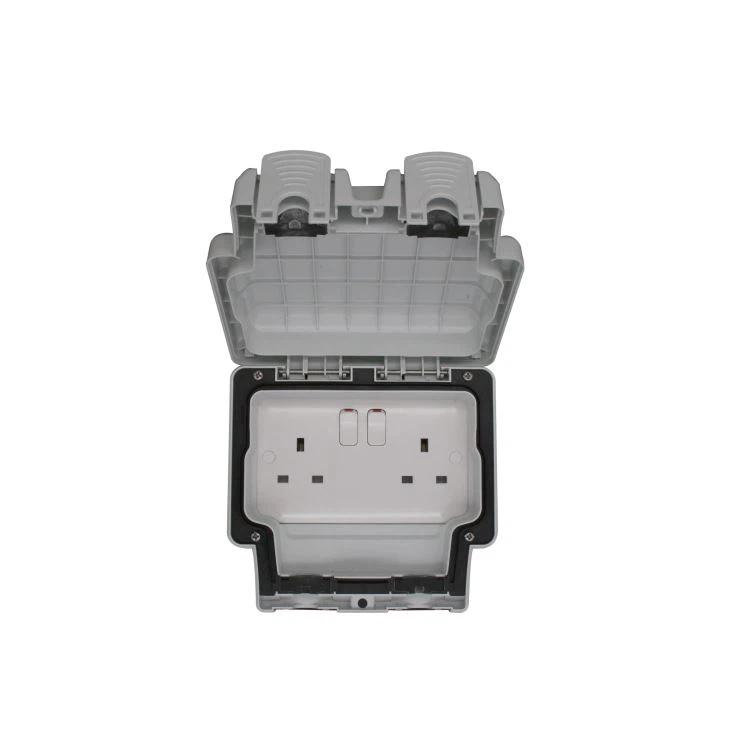
To avoid these issues, always refer to the manufacturer's instructions. For our IP66 RCD Weatherproof Wall Socket With 2gang BS Socket Switch , the installation guide provides clear steps on how to wire and position the socket safely. This weatherproof socket is designed for outdoor or damp environments, but proper installation is still essential to ensure its functionality and safety.
2. Overloading Sockets
Overloading is a widespread problem. Many people plug multiple high - power appliances into a single socket using extension cords or multi - plug adapters. Each socket has a specific load capacity, usually measured in amperes. Exceeding this capacity can cause the socket to overheat, which may damage the socket, the connected appliances, and pose a significant fire risk.
Let's say you have a 13A Socket British Standard(BS 1363 - 2)CE Certified. This socket is designed to handle a maximum load of 13 amperes. If you plug in several appliances whose combined power draw exceeds 13 amperes, you're overloading the socket. To prevent overloading, calculate the total power consumption of the appliances you plan to connect and ensure it's within the socket's capacity. If you need to connect multiple appliances, consider using a power strip with its own overload protection.
3. Ignoring Safety Standards
Safety standards are in place for a reason. They ensure that sockets are manufactured and used in a way that minimizes the risk of electrical accidents. However, some people ignore these standards, either out of ignorance or to cut corners.
For example, using non - compliant sockets or components can lead to serious safety issues. Non - compliant sockets may not have proper insulation, grounding, or overload protection. When purchasing sockets, always look for certifications such as CE, which indicates that the product meets European safety standards. Our 13A 2gang Switched SP Socket+dual USB Outlet(3.1A, 3.4A, 4.8A) is CE certified, ensuring that it adheres to the relevant safety regulations.
4. Poor Maintenance
Sockets require regular maintenance to ensure their long - term functionality and safety. However, many people neglect this aspect. Dust, dirt, and debris can accumulate inside the socket over time, which can cause poor connections and overheating.
Moisture ingress is another common maintenance - related problem, especially in outdoor or damp environments. If water gets into the socket, it can corrode the internal components and cause electrical malfunctions. To maintain sockets, keep them clean and dry. Use a dry cloth to wipe away dust and debris. If the socket is in an area prone to moisture, consider using a waterproof cover.
5. Incorrect Usage of Extension Cords
Extension cords are a convenient way to extend the reach of a socket, but they are often misused. One common mistake is using a short - gauge extension cord for high - power appliances. A short - gauge cord has a higher resistance, which can cause it to overheat when carrying a large amount of current.
Another issue is the length of the extension cord. Using an overly long extension cord can also lead to voltage drops, which can affect the performance of the connected appliances. When using an extension cord, choose the appropriate gauge based on the power requirements of the appliance. If you need to use a long extension cord, consider using a thicker - gauge cord to reduce the risk of overheating.
6. Improper Earthing
Proper earthing is essential for electrical safety. It provides a path for electrical current to flow safely into the ground in case of a fault. However, improper earthing is a common error.
In some cases, the earth wire may not be connected correctly, or it may be missing altogether. This can leave users vulnerable to electrical shocks. When installing a socket, ensure that the earth wire is securely connected to the earthing terminal of the socket and the electrical system. Regularly check the integrity of the earthing system to ensure its effectiveness.
7. Not Testing Sockets
After installing or replacing a socket, it's important to test it to ensure that it's functioning properly. However, many people skip this step. Testing a socket can help identify any wiring issues, loose connections, or other problems before they cause serious accidents.
You can use a socket tester, which is a simple and inexpensive tool that can detect common electrical problems. By testing the socket, you can ensure that the live, neutral, and earth wires are connected correctly and that there are no faults in the electrical circuit.

Conclusion
Working with sockets requires careful attention to detail to avoid common errors. From correct installation and proper usage to regular maintenance and safety testing, every step is crucial to ensure a safe and reliable electrical system. As a socket supplier, we are committed to providing high - quality, certified sockets that meet the highest safety standards.
If you're in the market for sockets or have any questions about socket installation and usage, we'd love to assist you. Contact us to discuss your specific requirements and start a procurement conversation. We're here to help you find the best socket solutions for your needs.
References
- Electrical Installation Standards: BS 7671 - Requirements for Electrical Installations (IET Wiring Regulations).
- European Union Safety Directives and CE Certification Guidelines.
- Manufacturer's Installation and User Manuals for Sockets and Related Electrical Equipment.


