

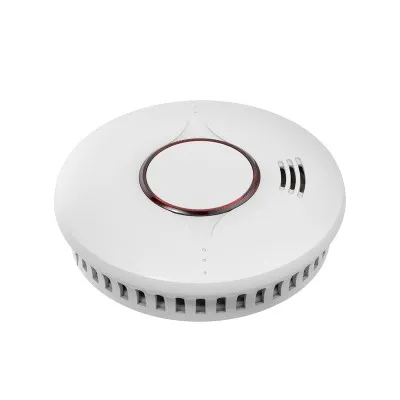


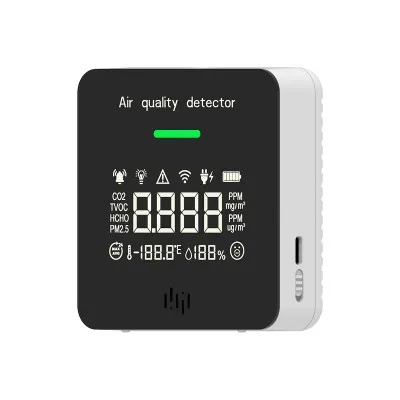


When it comes to the installation of an Intelligent Heat Detector, there are several limitations that need to be carefully considered. As a supplier of Intelligent Heat Detectors, I have witnessed firsthand the importance of understanding these limitations to ensure the proper functioning and effectiveness of these devices.
Environmental Conditions
One of the primary installation limitations of an Intelligent Heat Detector is the environmental conditions in which it will be placed. Extreme temperatures, humidity, and dust can all have a significant impact on the performance of the detector. For example, in high - temperature environments, the detector may be more prone to false alarms as the ambient heat can trigger the sensor. On the other hand, in extremely cold conditions, the battery life of wireless detectors may be reduced, and the internal components may not function optimally.
Humidity is another crucial factor. High humidity levels can cause condensation inside the detector, which may damage the electronic components and lead to inaccurate readings. Dust and debris can also accumulate on the sensor, interfering with its ability to detect heat accurately. Therefore, it is essential to install the detector in an environment where the temperature, humidity, and dust levels are within the specified operating range of the device.


Mounting Location
The mounting location of the Intelligent Heat Detector is also a critical consideration. Detectors should be installed in areas where they can effectively detect heat sources. However, there are certain areas where installation may be limited. For instance, placing the detector too close to heat - generating appliances such as heaters, stoves, or ovens can result in false alarms. These appliances generate heat continuously, which can trigger the detector even when there is no actual fire.
Similarly, installing the detector in areas with poor air circulation can also affect its performance. Heat may not reach the detector evenly, leading to delayed or inaccurate detection. Detectors should be mounted at a suitable height, typically on the ceiling or high on the wall, to ensure proper heat detection. However, in some industrial settings with high ceilings, it may be challenging to install the detector at the optimal height, which can limit its effectiveness.
Electrical and Power Constraints
Electrical and power constraints are also significant installation limitations. Some Intelligent Heat Detectors require a continuous power supply, such as a Mains Power Heat Detector With Battery. In areas where there is no access to a reliable electrical outlet, the installation of these detectors may be restricted. Additionally, the electrical wiring in the building must be able to support the power requirements of the detector. If the wiring is old or inadequate, it may cause power fluctuations or even damage the detector.
Wireless heat detectors, such as the Wireless Heat Detector, offer more flexibility in terms of installation. However, they rely on batteries for power. The battery life of these detectors can be a limitation, especially in large - scale installations. Frequent battery replacements can be time - consuming and costly. Moreover, the range of wireless communication can also be a factor. If the detector is installed too far from the control panel or other connected devices, the signal may be weak or lost, affecting the overall performance of the system.
Compatibility with Existing Systems
Intelligent Heat Detectors need to be compatible with existing fire alarm systems or building management systems. In some cases, the detector may not be able to integrate seamlessly with the existing infrastructure. This can be due to differences in communication protocols, software compatibility, or hardware requirements. For example, if the existing system uses a proprietary communication protocol, the new detector may not be able to communicate effectively, resulting in a non - functional or unreliable system.
When installing a new Intelligent Heat Detector, it is essential to ensure that it can be easily integrated with the existing system. This may require additional configuration, software updates, or even the replacement of some components. In some cases, the installation may be limited by the complexity of the existing system and the resources available for integration.
Regulatory and Code Requirements
Regulatory and code requirements play a significant role in the installation of Intelligent Heat Detectors. Different regions and industries have specific regulations regarding the installation, placement, and performance of fire detection systems. These regulations are in place to ensure the safety of the occupants and the property.
For example, in some commercial buildings, there may be requirements for the number of detectors per square foot, the minimum distance between detectors, and the type of detectors to be used. Failure to comply with these regulations can result in fines, legal issues, and, more importantly, a compromised fire safety system. As a supplier, we need to ensure that our customers are aware of these regulations and provide them with detectors that meet the necessary standards.
Space and Obstructions
The available space and the presence of obstructions can also limit the installation of Intelligent Heat Detectors. In some buildings, there may be limited space for mounting the detector, especially in areas with a lot of equipment or furniture. Obstructions such as pipes, ducts, or partitions can block the heat from reaching the detector, reducing its effectiveness.
When planning the installation, it is necessary to assess the available space and identify any potential obstructions. In some cases, it may be necessary to relocate the detector or make modifications to the surrounding environment to ensure proper heat detection.
Maintenance and Accessibility
Maintenance is an important aspect of ensuring the long - term performance of Intelligent Heat Detectors. However, the installation location can affect the ease of maintenance. Detectors that are installed in hard - to - reach areas, such as high ceilings or inside confined spaces, can be difficult to access for routine maintenance and testing.
Regular maintenance, including cleaning, calibration, and battery replacement, is essential to keep the detector functioning properly. If the detector is not easily accessible, it may be neglected, leading to a higher risk of malfunction. Therefore, when installing the detector, it is important to consider the accessibility for maintenance purposes.
In conclusion, the installation of an Intelligent Heat Detector is subject to several limitations, including environmental conditions, mounting location, electrical and power constraints, compatibility with existing systems, regulatory requirements, space and obstructions, and maintenance and accessibility. As a supplier, we understand the importance of addressing these limitations to ensure the proper installation and performance of our detectors.
If you are considering purchasing Intelligent Heat Detectors for your project, we encourage you to contact us for a detailed consultation. Our team of experts can help you assess your specific needs, address any installation limitations, and provide you with the best - suited detectors for your requirements. We are committed to providing high - quality products and excellent customer service to ensure your fire safety needs are met.
References
- National Fire Protection Association (NFPA) standards
- Local building codes and regulations
- Manufacturer's installation and operation manuals


