

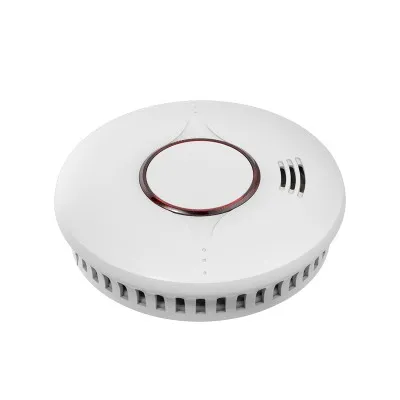




As a supplier of fire proof heat detectors, I understand the importance of proper maintenance to ensure these devices function effectively when it matters most. Fire proof heat detectors are crucial safety devices designed to detect abnormal temperature increases and alert occupants of a building to potential fire hazards. In this blog post, I will discuss the maintenance requirements for fire proof heat detectors to help you keep your safety systems in top condition.


Regular Inspections
Regular inspections are the cornerstone of maintaining fire proof heat detectors. These inspections should be carried out at least once a month to check for any visible signs of damage, such as cracks, dirt, or corrosion. Dust and debris can accumulate on the detector's sensors over time, which can affect its sensitivity. Use a soft, dry cloth to gently clean the exterior of the detector and remove any dust or dirt.
During the inspection, also check the mounting of the detector. Make sure it is securely attached to the ceiling or wall and that there are no loose connections. Loose mounting can cause the detector to malfunction or give false alarms. Additionally, check the wiring for any signs of damage or wear. If you notice any frayed wires or loose connections, it is important to have them repaired immediately by a qualified technician.
Testing
Testing the fire proof heat detector is another essential maintenance task. It is recommended to test the detector at least once a month to ensure it is functioning properly. Most detectors have a test button that you can press to activate the alarm. When you press the test button, the detector should emit a loud alarm sound. If the alarm does not sound, it could indicate a problem with the detector, and you should contact a professional for further inspection.
In addition to monthly testing, it is also important to conduct a more comprehensive test at least once a year. This test should simulate a real fire situation to ensure the detector can accurately detect a fire and trigger the alarm. You can use a heat source, such as a hair dryer, to increase the temperature near the detector and see if it activates the alarm. However, make sure to follow the manufacturer's instructions when conducting this test to avoid damaging the detector.
Battery Replacement
If your fire proof heat detector is a Battery Operated Heat Alarm, it is crucial to replace the batteries regularly. Most battery-operated detectors have a low-battery indicator that will alert you when the batteries need to be replaced. It is recommended to replace the batteries at least once a year, even if the low-battery indicator has not come on.
When replacing the batteries, make sure to use the correct type and size of batteries specified by the manufacturer. Incorrect batteries can cause the detector to malfunction or not work at all. Also, make sure to follow the proper battery installation procedures to ensure the detector functions correctly.
Sensor Calibration
Over time, the sensors in fire proof heat detectors can become less accurate due to environmental factors, such as temperature and humidity changes. To ensure the detector's accuracy, it is important to calibrate the sensors periodically. The calibration process involves adjusting the detector's settings to ensure it can accurately detect changes in temperature.
The frequency of sensor calibration depends on the type of detector and the manufacturer's recommendations. In general, it is recommended to calibrate the sensors at least once a year. However, if the detector is installed in a harsh environment, such as a factory or a kitchen, more frequent calibration may be required.
Software Updates
Many modern fire proof heat detectors are equipped with software that can be updated to improve their performance and functionality. Software updates can fix bugs, add new features, and enhance the detector's ability to detect fires. It is important to check the manufacturer's website regularly for software updates and install them as soon as they become available.
When installing software updates, make sure to follow the manufacturer's instructions carefully. Incorrect installation of software updates can cause the detector to malfunction or not work at all. If you are unsure how to install the software updates, you can contact the manufacturer's customer support for assistance.
Professional Maintenance
While regular inspections and testing can help you maintain your fire proof heat detectors, it is also important to have them professionally maintained at least once a year. A professional technician can perform a more comprehensive inspection of the detector, including checking the internal components and wiring. They can also calibrate the sensors and perform any necessary repairs or replacements.
When choosing a professional maintenance service, make sure to choose a company that is licensed and experienced in maintaining fire safety systems. They should also have a good reputation and be able to provide references. A professional maintenance service can help you ensure that your fire proof heat detectors are in top condition and ready to protect your property and occupants in the event of a fire.
Conclusion
Proper maintenance of fire proof heat detectors is essential to ensure their reliability and effectiveness. By following the maintenance requirements outlined in this blog post, you can keep your fire proof heat detectors in top condition and provide a safe environment for your property and occupants.
If you are in the market for a fire proof heat detector, we offer a wide range of Mains Heat Detector, Battery Operated Heat Alarm, and Portable Heat Detector to meet your specific needs. Our detectors are designed to provide reliable and accurate fire detection, and we offer professional maintenance services to ensure they continue to function properly.
If you have any questions or would like to discuss your fire safety needs, please feel free to contact us. We look forward to working with you to ensure the safety of your property and occupants.
References
- NFPA 72: National Fire Alarm and Signaling Code
- Manufacturer's instructions for fire proof heat detectors


