





Carbon monoxide (CO) is a colorless, odorless, and tasteless gas that can be extremely dangerous, even fatal, when inhaled in high concentrations. Nursing homes are particularly vulnerable environments as they house elderly and often frail individuals who may have reduced mobility and ability to respond quickly to a CO threat. As a Carbon Monoxide Detector supplier, I understand the critical importance of having proper regulations in place to safeguard the lives of nursing home residents.
The Basics of Carbon Monoxide in Nursing Homes
Carbon monoxide is produced by the incomplete combustion of carbon - based fuels such as natural gas, propane, oil, wood, and coal. In nursing homes, potential sources of CO include malfunctioning heating systems, water heaters, stoves, and generators. Since CO is undetectable by human senses, the only reliable way to detect its presence is through the use of carbon monoxide detectors.
General Regulatory Framework
In many countries, there are national and local regulations governing the installation and maintenance of carbon monoxide detectors in nursing homes. For instance, in the United States, the Centers for Medicare & Medicaid Services (CMS) has set standards for nursing homes that participate in the Medicare and Medicaid programs. These standards require that all nursing homes have functioning CO detectors installed in areas where fuel - burning appliances are located and in all areas where residents sleep.
The placement of detectors is crucial. They should be installed at the recommended height, usually about 5 feet from the ground, as CO is slightly lighter than air and tends to rise. Detectors should also be installed away from sources of heat, drafts, and where they may be easily blocked.
Testing and Maintenance Requirements
Regulations also mandate regular testing and maintenance of carbon monoxide detectors. Nursing homes are typically required to test their CO detectors at least monthly to ensure they are functioning properly. This involves using the test button on the detector to simulate the presence of CO and verify that the alarm sounds.
Annual maintenance checks by a qualified technician are also often required. During these checks, the technician will inspect the detector for any signs of damage, replace the batteries if it is a battery - operated model, and ensure that the sensors are working accurately.
Alarm Requirements
The alarm on a carbon monoxide detector in a nursing home must meet certain standards. It should be loud enough to wake sleeping residents, typically at least 85 decibels at 10 feet. The alarm should also have a distinct sound pattern that is easily recognizable as a CO alarm, so that staff and residents can quickly identify the threat.
Our Product Offerings
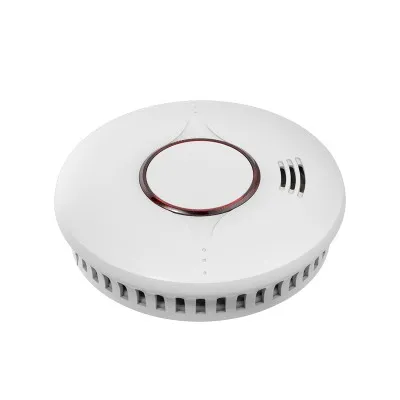
As a Carbon Monoxide Detector supplier, we offer a range of high - quality products suitable for nursing homes. Our Home Use Carbon Monoxide Alarm is an excellent choice for areas where residents sleep. It is battery - operated, which means it will continue to function even during a power outage. The alarm is loud and has a clear, distinct sound pattern to alert residents and staff.
For larger nursing homes, our Wireless Carbon Monoxide Alarm is a great option. These detectors can be interconnected, so that if one detector senses CO, all the detectors in the system will sound an alarm. This ensures that all areas of the nursing home are alerted, even if the CO source is in a remote location.
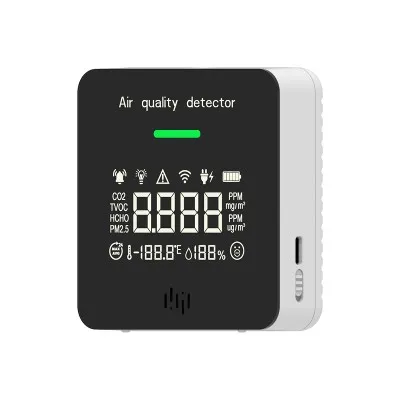
Our Carbon Monoxide Alarms are designed to meet or exceed all relevant regulations. They are equipped with advanced sensors that can detect even low levels of CO, providing early warning to prevent harm to residents.


Compliance with Regulations
We understand that nursing homes need to comply with strict regulations regarding carbon monoxide detectors. Our products are designed to make compliance easy. They come with detailed installation instructions, and our technical support team is available to assist with any questions regarding installation, testing, or maintenance.
By choosing our carbon monoxide detectors, nursing homes can be confident that they are meeting the regulatory requirements and providing the best possible protection for their residents.
Importance of Regulatory Compliance
Compliance with carbon monoxide detector regulations in nursing homes is not just a legal requirement; it is a moral obligation. Elderly residents are more vulnerable to the effects of CO poisoning, which can cause symptoms such as headaches, dizziness, nausea, confusion, and in severe cases, death. By ensuring that proper detectors are installed and maintained, nursing homes can significantly reduce the risk of CO - related incidents.
Working with a Reputable Supplier
When it comes to carbon monoxide detectors in nursing homes, it is crucial to work with a reputable supplier. A reliable supplier will offer high - quality products that are accurately calibrated, have a long lifespan, and are backed by excellent customer service.
Our company has a proven track record of providing top - notch carbon monoxide detectors to various facilities, including nursing homes. We are committed to helping nursing homes stay compliant with regulations and ensure the safety of their residents.
Conclusion
The regulations for carbon monoxide detectors in nursing homes are in place to protect the lives and well - being of the vulnerable residents. As a Carbon Monoxide Detector supplier, we are dedicated to providing products that meet these regulations and offer reliable protection. If you are a nursing home administrator or a decision - maker responsible for ensuring the safety of your residents, please reach out to us for more information on our product offerings and how we can help you stay compliant.
References
- Centers for Medicare & Medicaid Services (CMS). (Year). Nursing Home Requirements.
- National Fire Protection Association (NFPA). (Year). NFPA 72: National Fire Alarm and Signaling Code.
- Consumer Product Safety Commission (CPSC). (Year). Carbon Monoxide Poisoning Prevention.


