

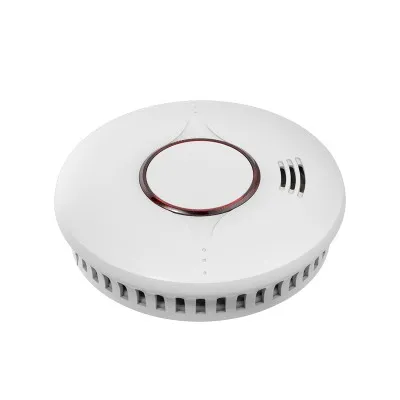


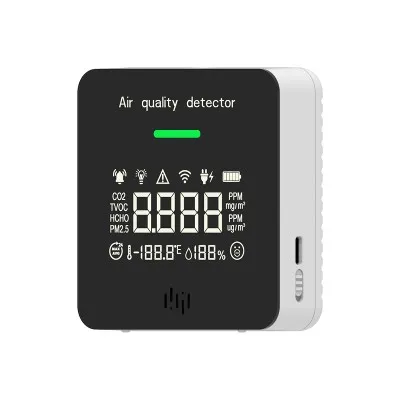


Hey there! As a supplier of Intelligent Heat Detectors, I'm super excited to share with you all about what these nifty devices are and why they're so important.
So, what exactly is an Intelligent Heat Detector? Well, it's a high - tech piece of equipment designed to detect changes in temperature and alert you when things start to heat up beyond a safe level. Unlike traditional heat detectors, intelligent ones come with a whole bunch of smart features that make them way more effective and reliable.
One of the key things about an Intelligent Heat Detector is its ability to analyze temperature patterns. It doesn't just go off at a set temperature; it can understand how quickly the temperature is rising. For example, if there's a slow increase in temperature over a long period, it might be a normal environmental change, and the detector won't false - alarm. But if the temperature spikes rapidly, like in the case of a fire, it'll trigger an alarm right away.
These detectors are also really good at self - monitoring. They can check their own functionality regularly to make sure they're always in tip - top shape. If there's a problem, like a malfunctioning sensor or low battery (if it's a battery - powered model), they can send out a warning signal. This self - diagnostic feature is a game - changer because it helps prevent false negatives, where a detector fails to work when it's needed most.
Now, let's talk about the different types of Intelligent Heat Detectors. One popular option is the Mains Power Heat Detector With Battery. This type is connected to the main power supply, which means it has a constant source of energy. But it also comes with a backup battery. So, even if there's a power outage, the detector will still keep working and be able to detect heat and send out an alarm. This is great for places where a continuous power supply can't be guaranteed, like in some older buildings or remote locations.


Another type is the Intelligent Heat Detector itself. These detectors often use advanced algorithms to analyze temperature data. They can be integrated with other security systems, like fire sprinklers or central monitoring stations. When the detector senses a dangerous rise in temperature, it can not only sound an alarm but also send a signal to these other systems. For example, it can trigger the sprinkler system to start spraying water, or it can alert a security company that there might be a fire.
Then there are Hard Wired Heat Alarms. These are hard - wired into the electrical system of a building. They're very reliable because they don't rely on batteries, and they can be connected to a network of other alarms. This means that if one detector goes off, all the connected alarms in the building will also sound, ensuring that everyone in the area is alerted quickly.
The applications of Intelligent Heat Detectors are vast. In industrial settings, they're used to monitor machinery and equipment. Many industrial processes generate a lot of heat, and if there's an overheating problem, it can lead to equipment damage, production downtime, or even fires. Intelligent Heat Detectors can keep an eye on the temperature of these machines and alert operators if there's a potential issue.
In commercial buildings like offices, shops, and restaurants, these detectors are crucial for fire safety. They can be installed in different areas, such as hallways, storage rooms, and kitchens. In the kitchen, where there's a high risk of fires due to cooking activities, an Intelligent Heat Detector can quickly detect a grease fire or an overheated appliance and trigger an alarm.
In residential buildings, they provide an extra layer of protection for families. Whether it's a single - family home or an apartment complex, having an Intelligent Heat Detector can give you peace of mind knowing that you'll be alerted if there's a fire. You can sleep better at night, knowing that these smart devices are on the lookout for any signs of trouble.
One of the great things about modern Intelligent Heat Detectors is their ease of installation. Most of them come with clear instructions, and even if you're not a tech whiz, you can usually get them up and running without too much hassle. Some models are wireless, which means you don't have to deal with complicated wiring. You just need to find a suitable location, mount the detector, and pair it with any other devices if necessary.
When it comes to maintenance, these detectors are also pretty low - key. As I mentioned earlier, they do a lot of self - monitoring. But it's still a good idea to do some basic checks regularly. For example, you can test the alarm function of the detector every month to make sure it's working properly. And if it's a battery - powered model, you should replace the batteries according to the manufacturer's recommendations.
In terms of cost, while Intelligent Heat Detectors might be a bit more expensive than traditional ones upfront, they're definitely worth the investment. The advanced features they offer, such as self - monitoring, accurate temperature analysis, and integration with other systems, can save you a lot of money in the long run. They can prevent costly fires, reduce property damage, and most importantly, save lives.
If you're in the market for an Intelligent Heat Detector, I'd be more than happy to help you find the right one for your needs. Whether you're looking for a detector for your home, office, or industrial facility, we have a wide range of options to choose from. Our team of experts can provide you with all the information you need and guide you through the selection process.
So, if you're interested in learning more or want to start the procurement process, don't hesitate to reach out. We're here to make sure you get the best Intelligent Heat Detector solution for your specific situation.
References:
- Industry knowledge and experience in supplying Intelligent Heat Detectors.
- Product manuals and specifications of various Intelligent Heat Detector models.


