

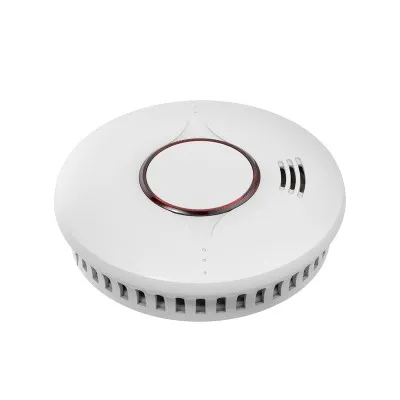




When discussing fire safety, one crucial component that often comes into play is the fire-proof heat detector. These devices are designed to sense changes in temperature and alert occupants of a building when a potentially dangerous rise in heat occurs. But what is the color of a fire-proof heat detector? This seemingly simple question can lead to a deeper exploration of these essential safety tools.
The Color of Fire-Proof Heat Detectors
Typically, fire-proof heat detectors come in a variety of colors, but the most common ones are white, off - white, or light gray. The choice of these colors is not arbitrary; it is mainly for practical and aesthetic reasons.
White and light - colored heat detectors are often preferred because they blend well with most building interiors. In commercial and residential buildings, the walls and ceilings are usually painted in light colors. A white or off - white heat detector can be installed without being overly obtrusive, maintaining the overall aesthetic of the space. For example, in an office building with white - painted ceilings, a white heat detector will hardly be noticed, yet it stands ready to perform its life - saving function.


Another reason for the prevalence of light colors is related to maintenance and inspection. Light - colored surfaces make it easier to spot dust, dirt, or any signs of damage. If a heat detector is covered in dust, it may affect its performance. With a light - colored detector, building managers or maintenance staff can quickly identify if cleaning is required.
However, it's important to note that the color of a fire - proof heat detector has no direct impact on its functionality. The primary function of a heat detector is to detect changes in temperature, and this is achieved through internal sensors and electronics, not the exterior color.
Types of Fire - Proof Heat Detectors
As a supplier of fire - proof heat detectors, we offer a range of products to meet different needs.
Mains Heat Detector
The Mains Heat Detector is a popular choice for many buildings. It is connected directly to the building's electrical supply, ensuring a continuous power source. This type of detector is often used in commercial buildings, factories, and large residential complexes. Since it is powered by the mains, it can be integrated into a larger fire alarm system, allowing for centralized monitoring and control.
Portable Heat Detector
For more flexible applications, the Portable Heat Detector is an excellent option. It can be easily moved from one location to another, making it suitable for temporary work sites, construction areas, or outdoor events. The portability of this detector provides an added layer of fire safety in situations where a fixed installation is not feasible.
Battery Operated Heat Alarm
The Battery Operated Heat Alarm is ideal for areas where there is no access to a mains power supply. It is commonly used in small cabins, sheds, or older buildings that may not have a proper electrical infrastructure. The battery - operated design ensures that the detector can still function effectively, providing reliable fire protection.
How Fire - Proof Heat Detectors Work
Regardless of their color or type, fire - proof heat detectors operate based on the principle of temperature sensing. There are two main types of heat detection methods: fixed - temperature and rate - of - rise.
Fixed - temperature heat detectors are set to activate at a specific temperature. For example, a detector may be calibrated to trigger an alarm when the temperature reaches 57°C (135°F). Once the ambient temperature exceeds this set point, the detector sends a signal to the alarm system.
Rate - of - rise heat detectors, on the other hand, are designed to detect a rapid increase in temperature. They measure the rate at which the temperature is rising rather than a specific temperature threshold. If the temperature rises too quickly, indicating a potential fire, the detector will activate the alarm.
Importance of Fire - Proof Heat Detectors
Fire - proof heat detectors play a vital role in fire safety. In the event of a fire, they can provide early warning, giving occupants more time to evacuate the building safely. They are especially useful in areas where smoke detectors may not be as effective, such as kitchens, boiler rooms, or areas with high levels of dust or steam.
In commercial buildings, heat detectors are often required by building codes and regulations. Installing reliable heat detectors can help businesses comply with safety standards and avoid potential fines. It also protects valuable assets, such as equipment, inventory, and documents, from the devastating effects of fire.
Factors to Consider When Choosing a Fire - Proof Heat Detector
When selecting a fire - proof heat detector, several factors should be taken into account.
- Location: The location where the detector will be installed is crucial. For example, in a kitchen, a heat detector with a higher fixed - temperature setting may be required to avoid false alarms caused by normal cooking activities. In a storage area, a rate - of - rise detector may be more appropriate to quickly detect any sudden increase in temperature.
- Power Source: As mentioned earlier, the choice between a mains - powered, battery - operated, or portable detector depends on the availability of power and the specific requirements of the installation.
- Compatibility: If the detector is to be integrated into an existing fire alarm system, it must be compatible with the system's components. This ensures seamless operation and reliable performance.
- Certification: Look for detectors that are certified to meet relevant safety standards. Certification indicates that the detector has been tested and meets the necessary quality and performance criteria.
Conclusion
In conclusion, the color of a fire - proof heat detector is mainly a matter of aesthetics and practicality, with no direct impact on its functionality. Whether it's a white, off - white, or light - gray detector, its primary purpose is to detect changes in temperature and provide early warning in case of a fire.
As a supplier of high - quality fire - proof heat detectors, we are committed to providing products that meet the diverse needs of our customers. Our range of Mains Heat Detectors, Portable Heat Detectors, and Battery Operated Heat Alarms offers reliable fire protection solutions.
If you are interested in learning more about our fire - proof heat detectors or would like to discuss your specific fire safety requirements, we encourage you to contact us for a procurement discussion. We are here to help you make the right choice for your fire safety needs.
References
- National Fire Protection Association (NFPA) standards on fire detection and alarm systems.
- International Electrotechnical Commission (IEC) standards for heat detectors.
- Technical literature from leading fire safety equipment manufacturers.


