

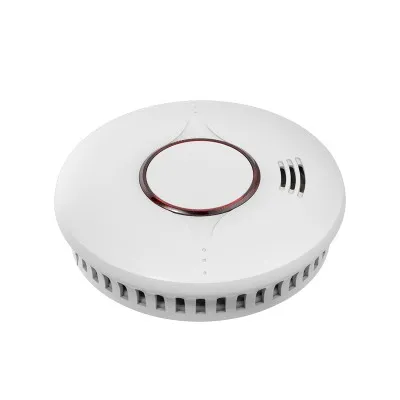


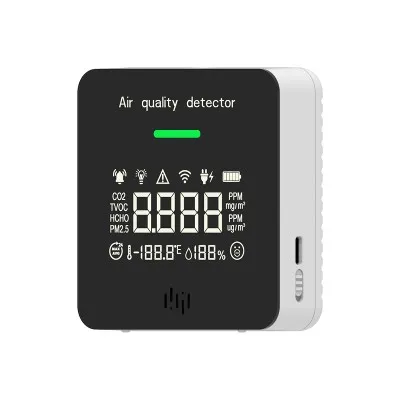


The detection speed of a fire-proof heat detector is a crucial factor in ensuring the safety of people and property in the event of a fire. As a leading supplier of fire-proof heat detectors, we understand the importance of this parameter and strive to offer products that provide rapid and reliable detection.
Understanding Heat Detection Technology
Before delving into the detection speed, it's essential to understand how fire-proof heat detectors work. These devices are designed to sense changes in temperature and trigger an alarm when a certain threshold is reached. There are two main types of heat detectors: fixed-temperature and rate-of-rise.
Fixed-temperature heat detectors are set to activate at a specific temperature, such as 57°C (135°F), 70°C (158°F), or 95°C (203°F). Once the ambient temperature reaches this pre - set value, the detector sends a signal to the alarm system. These detectors are suitable for areas where a slow - building fire is a concern, such as in storage rooms or attics.
Rate - of - rise heat detectors, on the other hand, monitor the rate at which the temperature is increasing. If the temperature rises at a rate faster than a pre - determined level (usually around 1°C to 3°C per minute), the detector will activate. This type of detector is more effective in detecting fast - spreading fires.
Factors Affecting the Detection Speed
1. Detector Placement
The location of the heat detector plays a significant role in its detection speed. Detectors should be installed in areas where heat is likely to accumulate, such as near the ceiling. Since hot air rises, placing the detector at a higher level allows it to sense the heat more quickly. Additionally, detectors should be evenly spaced throughout the building to ensure comprehensive coverage. For example, in a large warehouse, detectors should be installed at regular intervals to reduce the time it takes to detect a fire.
2. Ambient Conditions
The ambient temperature and airflow in the environment can impact the detection speed. In a cold environment, it may take longer for the heat from a fire to reach the detector's activation temperature. Similarly, strong air currents can disperse the heat, delaying the detection. For instance, in a large industrial hall with powerful ventilation systems, the heat detector may need to be more sensitive or optimally placed to counteract the effects of the airflow.
3. Detector Sensitivity
The sensitivity of the heat detector directly affects its detection speed. Higher - sensitivity detectors can detect smaller changes in temperature or rate of temperature increase, leading to faster activation. However, increasing the sensitivity also raises the risk of false alarms. Our company offers a range of detectors with adjustable sensitivities to meet different needs. For example, in a laboratory where there are frequent small temperature fluctuations, a detector with lower sensitivity may be preferred to avoid false alarms, while in a high - risk area like a chemical storage facility, a more sensitive detector can provide faster detection.
Measuring the Detection Speed
The detection speed of a heat detector is typically measured in terms of the time it takes from the start of a fire until the detector activates. This can be determined through standardized fire tests. In these tests, a controlled fire is set up in a test chamber, and the time is recorded when the heat detector triggers the alarm.
The National Fire Protection Association (NFPA) in the United States and other international standards organizations have established testing procedures to evaluate the performance of heat detectors. These standards ensure that the detectors on the market meet minimum requirements for detection speed and reliability.
Our Fire - Proof Heat Detector Products
As a supplier, we offer a variety of fire - proof heat detectors to meet different customer needs. Our Mains Heat Detector is designed for continuous operation, providing reliable protection in commercial and industrial settings. It is powered by the mains electricity, ensuring that it is always ready to detect a fire.
Our Portable Heat Detector is ideal for temporary or mobile applications. It can be easily moved around construction sites, events, or other locations where a fire risk exists. This portable design allows for quick and efficient deployment to protect workers and equipment.
For areas where a reliable power source is not available, our Battery Operated Heat Alarm offers a convenient solution. It runs on batteries, providing a cost - effective and easy - to - install option for residential or small - scale commercial applications.
Importance of Fast Detection Speed
Fast detection speed is of utmost importance in fire safety. A fire can spread rapidly, causing significant damage to property and endangering lives in a short period. By detecting a fire early, our heat detectors provide more time for evacuation and for the fire department to arrive on the scene.


In commercial settings, a fast - acting heat detector can minimize business interruption. A fire can disrupt operations, damage inventory, and lead to costly repairs. With our high - performance heat detectors, businesses can reduce the financial impact of a fire by detecting it at an early stage.
Contact Us for Purchase and Consultation
If you are interested in our fire - proof heat detectors, we invite you to contact us for more information and to discuss your specific requirements. Our team of experts is available to provide detailed product information, installation advice, and pricing. We are committed to helping you find the best fire - detection solution for your needs.
References
- National Fire Protection Association (NFPA) Standards. Various editions relevant to heat detectors.
- International Electrotechnical Commission (IEC) standards on fire detection devices.
- Technical manuals of our fire - proof heat detector products.


