





As an RF Heat Detector supplier with years of experience in the industry, I've encountered numerous inquiries about the maintenance cost of our products. Let's delve into this topic to provide a comprehensive understanding of what it entails and how it impacts your overall investment.
Understanding RF Heat Detectors
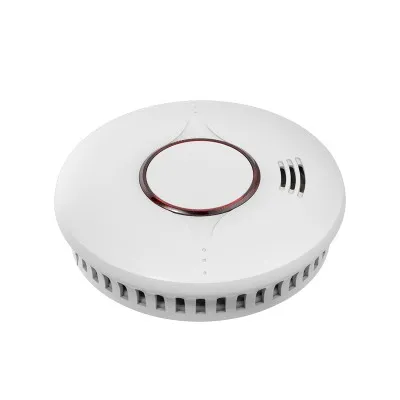
RF (Radio Frequency) heat detectors are advanced devices designed to detect changes in temperature within a specific area. They operate on the principle of radio frequency communication, allowing them to transmit signals wirelessly to a central monitoring system. This wireless functionality offers several advantages, including easy installation, flexibility in placement, and reduced wiring requirements, making them a popular choice for a wide range of applications, from residential buildings to industrial facilities.
Components Contributing to Maintenance Cost
The maintenance cost of an RF heat detector is influenced by several factors, each with its own associated expenses. Here are the key components to consider:
1. Battery Replacement
Most RF heat detectors are equipped with batteries to ensure continuous operation, especially in the event of a power outage. The frequency of battery replacement depends on various factors, such as the type of battery used, the detector's power consumption, and the operating environment. Generally, batteries need to be replaced every 1 to 5 years. High-quality lithium batteries typically have a longer lifespan compared to alkaline batteries but may come at a higher initial cost.
Replacing batteries is a relatively simple task that can be performed by the end-user. However, it's essential to use the recommended battery type specified by the manufacturer to ensure optimal performance. The cost of a replacement battery can range from $5 to $20, depending on the brand and specifications.
2. Sensor Calibration
The sensor is the heart of an RF heat detector, responsible for accurately detecting changes in temperature. Over time, sensors may drift or lose their accuracy due to factors such as environmental conditions, dust accumulation, and normal wear and tear. Regular calibration is necessary to ensure that the detector continues to provide reliable and accurate readings.
The frequency of sensor calibration varies depending on the manufacturer's recommendations and the application requirements. In general, it is recommended to calibrate RF heat detectors every 1 to 2 years. Calibration can be performed by the end-user using a calibration kit or by a professional technician. The cost of calibration can range from $50 to $200, depending on the complexity of the detector and the extent of the calibration required.
3. Software Updates
RF heat detectors often rely on software to operate and communicate with the central monitoring system. Software updates are released periodically by the manufacturer to improve the detector's performance, add new features, and enhance security. Keeping the detector's software up to date is crucial to ensure its compatibility with the monitoring system and to address any potential vulnerabilities.
Software updates can usually be downloaded and installed remotely, eliminating the need for on-site technician visits. However, in some cases, a professional technician may be required to perform the update, especially if it involves complex configuration changes. The cost of software updates varies depending on the manufacturer and the nature of the update. In most cases, software updates are provided free of charge to customers, but there may be a fee for major updates or for support services.
4. Physical Inspection and Cleaning
Regular physical inspection and cleaning of RF heat detectors are essential to ensure their proper functioning and longevity. Dust, dirt, and debris can accumulate on the detector's surface and inside its housing, affecting its performance and accuracy. Additionally, physical damage such as cracks or dents can also compromise the detector's integrity.
A visual inspection should be performed at least once a year to check for any signs of damage or wear. The detector's housing can be cleaned using a soft, dry cloth to remove dust and debris. If the detector is located in a particularly dirty or dusty environment, more frequent cleaning may be required. The cost of physical inspection and cleaning is relatively low and can usually be performed by the end-user.
Calculating the Total Maintenance Cost
To calculate the total maintenance cost of an RF heat detector over its lifespan, you need to consider the costs associated with battery replacement, sensor calibration, software updates, and physical inspection and cleaning. Here's an example calculation based on a typical RF heat detector with a lifespan of 10 years:
- Battery Replacement: Assuming a battery replacement every 2 years at a cost of $10 per battery, the total cost of battery replacement over 10 years would be $50.
- Sensor Calibration: Assuming a calibration every 2 years at a cost of $100 per calibration, the total cost of sensor calibration over 10 years would be $500.
- Software Updates: Assuming no additional fees for software updates, the total cost of software updates over 10 years would be $0.
- Physical Inspection and Cleaning: Assuming a visual inspection and cleaning once a year at no additional cost, the total cost of physical inspection and cleaning over 10 years would be $0.
Based on this example, the total maintenance cost of an RF heat detector over 10 years would be $550. However, it's important to note that these costs can vary depending on the specific model of the detector, the manufacturer's recommendations, and the operating environment.
Factors Affecting Maintenance Cost
In addition to the components mentioned above, several other factors can affect the maintenance cost of an RF heat detector. Here are some key factors to consider:
1. Quality of the Detector
The quality of the RF heat detector plays a significant role in determining its maintenance cost. Higher-quality detectors are typically designed with better components and more advanced technology, which can result in lower maintenance requirements and longer lifespans. Investing in a high-quality detector upfront can save you money in the long run by reducing the frequency of maintenance and replacement.


2. Operating Environment
The operating environment in which the RF heat detector is installed can also have a significant impact on its maintenance cost. Detectors installed in harsh environments, such as factories or industrial facilities, may be exposed to high levels of dust, dirt, moisture, and temperature fluctuations, which can accelerate wear and tear and increase the need for maintenance. On the other hand, detectors installed in clean and controlled environments, such as offices or residential buildings, may require less frequent maintenance.
3. Usage Patterns
The usage patterns of the RF heat detector can also affect its maintenance cost. Detectors that are used more frequently or in high-demand applications may experience more wear and tear and require more frequent maintenance. For example, detectors installed in areas with high traffic or in facilities that require constant monitoring may need to be calibrated and inspected more often.
Comparing with Other Types of Heat Detectors
When considering the maintenance cost of an RF heat detector, it's also important to compare it with other types of heat detectors, such as Mains Power Heat Detector With Battery and Hard Wired Heat Alarms.
Mains power heat detectors with battery backup are connected to the main power supply but also have a battery backup in case of a power outage. These detectors typically have lower maintenance requirements for battery replacement since they rely primarily on the main power supply. However, they may require more complex wiring and installation, which can increase the initial cost.
Hard wired heat alarms are directly connected to the electrical wiring of the building and do not require batteries. These detectors generally have lower maintenance costs associated with battery replacement but may require more extensive wiring and installation, as well as periodic inspections of the electrical connections.
Intelligent Heat Detector is another type that often comes with advanced features and self - diagnostic capabilities, which can potentially reduce the long - term maintenance cost by quickly identifying and alerting about any issues.
Conclusion and Call to Action
In conclusion, the maintenance cost of an RF heat detector is influenced by several factors, including battery replacement, sensor calibration, software updates, and physical inspection and cleaning. While the initial investment in an RF heat detector may be higher compared to some other types of heat detectors, its wireless functionality, ease of installation, and flexibility can make it a cost - effective solution in the long run.
If you're considering purchasing RF heat detectors for your facility, it's important to factor in the maintenance cost when making your decision. As an experienced RF Heat Detector supplier, we can provide you with detailed information about the maintenance requirements and costs of our products. We also offer a range of support services to help you keep your detectors in optimal condition.
Contact us to discuss your specific needs and to get a quote for our RF heat detectors. We're committed to providing high - quality products and excellent customer service, and we look forward to partnering with you to ensure the safety and security of your premises.
References
- Manufacturer's manuals for RF heat detectors
- Industry standards and guidelines for heat detector maintenance


