

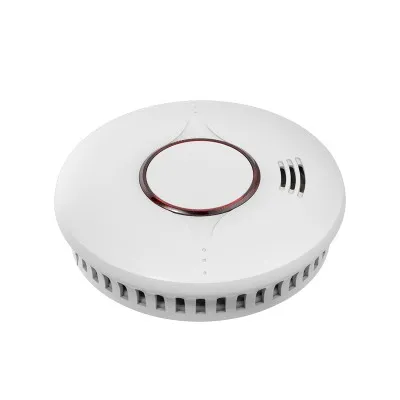




A wireless heat detector is an invaluable device in safeguarding residences, commercial buildings, and industrial facilities against the threat of fire. As a trusted Wireless Heat Detector supplier, I understand the importance of discussing the proper mounting method for these detectors, which significantly impacts their performance and effectiveness.
Understanding the Basics of Wireless Heat Detectors
Before delving into the mounting process, it's essential to comprehend how a wireless heat detector functions. Unlike traditional hard - wired detectors, wireless heat detectors operate without the need for extensive wiring. They detect heat in the environment through various sensing technologies, such as fixed temperature sensing or rate - of - rise sensing. Once the heat reaches a pre - determined threshold, the detector sends a signal wirelessly to a control panel or an alarm system, alerting occupants of a potential fire hazard.
Factors to Consider Before Mounting
Location
The location of the wireless heat detector is crucial. It should be placed in areas where heat can accumulate readily, such as near stoves, ovens, and other heat - generating appliances. In industrial settings, detectors should be installed close to machinery that produces significant heat. However, they should be placed at a safe distance to avoid false alarms caused by normal heat emissions.
Obstructions
There should be no obstructions between the detector and the area it is meant to monitor. Furniture, shelves, or other large objects can block the detector's ability to sense heat effectively. Ensure that the line - of - sight between the detector and the monitored area is clear.
Wireless Range
Since wireless heat detectors rely on a wireless signal to communicate, the mounting location should be within the range of the connected control panel or alarm system. Check the product specifications to determine the maximum wireless range and position the detector accordingly.
Step - by - Step Mounting Guide
Step 1: Gather the Necessary Tools
You will need a drill, screws, a screwdriver, a level, and a measuring tape. Additionally, make sure you have the mounting bracket that comes with the wireless heat detector.
Step 2: Choose the Mounting Surface
The mounting surface should be flat and sturdy. Common mounting surfaces include walls and ceilings. For wall - mounted detectors, select a location at least 4 - 6 inches from the ceiling. For ceiling - mounted detectors, ensure the ceiling can support the weight of the detector and its bracket.


Step 3: Mark the Mounting Points
Use a measuring tape and a level to mark the exact positions where the mounting bracket will be attached. If the detector comes with a template, place it on the surface and mark the holes according to the template.
Step 4: Drill the Holes
Using a drill, carefully drill holes at the marked points. Make sure the holes are the appropriate size for the screws provided with the mounting bracket.
Step 5: Install the Mounting Bracket
Insert the screws into the drilled holes and use a screwdriver to tighten them, securing the mounting bracket to the surface. Ensure that the bracket is level and firmly attached.
Step 6: Attach the Detector to the Bracket
Most wireless heat detectors are designed to easily snap onto the mounting bracket. Align the detector with the bracket and press it firmly until it clicks into place.
Step 7: Test the Detector
After mounting, it's essential to test the detector. Refer to the user manual to learn how to perform a test. This typically involves pressing a test button on the detector, which should trigger an alarm on the connected control panel or alarm system.
Different Types of Wireless Heat Detectors and Their Mounting Considerations
Mains Power Heat Detector With Battery
This type of detector combines the reliability of mains power with the backup of a battery. When mounting, ensure that there is a nearby electrical outlet for the mains connection. The battery provides power during power outages, making it suitable for critical applications. However, the mounting location should also allow for easy access to replace the battery when needed.
Intelligent Heat Detector
Intelligent heat detectors use advanced algorithms to analyze heat patterns and reduce false alarms. They may require more precise mounting to ensure accurate heat sensing. These detectors often communicate wirelessly with other devices in a network, so proper alignment and range are crucial for effective communication.
Hard Wired Heat Alarms
Although hard - wired heat alarms are not strictly wireless, some models may have a wireless component for communication. When mounting these alarms, in addition to following the hard - wiring instructions, pay attention to the wireless communication requirements. Ensure that the mounting location allows for a strong wireless signal to reach the control panel.
Maintenance After Mounting
Once the wireless heat detector is mounted, regular maintenance is necessary to ensure its continued performance. Check the battery (if applicable) regularly and replace it according to the manufacturer's recommendations. Clean the detector periodically to remove dust and debris that may affect its heat - sensing ability. Also, perform monthly tests to ensure that the detector and its wireless communication are functioning properly.
The Importance of Proper Mounting
Proper mounting of a wireless heat detector is not just a technical requirement; it is a matter of safety. A detector that is incorrectly mounted may not be able to detect heat in a timely manner, putting lives and property at risk. Incorrect placement can lead to false alarms, which can be a nuisance and may cause people to ignore the alarms in the event of a real fire.
Contact for Purchase and Consultation
If you are interested in purchasing high - quality wireless heat detectors or need more information about mounting and installation, we are here to help. Our team of experts can provide guidance on the best detector for your specific needs and offer support throughout the mounting process. Don't compromise on safety. Get in touch with us today to discuss your requirements and explore how our wireless heat detectors can enhance the fire safety of your premises.
References
- Fire Protection Handbook, 20th Edition
- Wireless Fire Detection System Standards, NFPA 72
- Manufacturer's user manuals for wireless heat detectors


