





Hey there! As an electrical socket supplier, I've been getting a lot of questions lately about the minimum clearance around an electrical socket. It's a super important topic, so I thought I'd dive into it and share some insights with you all.
First off, why does the clearance around an electrical socket matter? Well, it's all about safety. Having enough space around a socket helps prevent overheating, reduces the risk of fire, and makes it easier to plug and unplug devices. If there's not enough clearance, things can get a bit too cozy, and that's when problems can start to pop up.
So, what's the magic number for the minimum clearance? The answer isn't always cut and dry, as it can depend on a few different factors. But in general, most electrical codes recommend a minimum clearance of at least 12 inches (30 centimeters) around the sides and top of a socket. This gives enough room for air to circulate and helps keep things cool.
Let's talk about why this clearance is so crucial. When you plug in a device, it draws power from the socket, and that can generate heat. If there's not enough space for the heat to dissipate, it can build up and cause the socket to overheat. Overheating can lead to a whole host of problems, from melted insulation to electrical fires. Yikes!
Another reason for the clearance is to make it easier to use the socket. If there are objects blocking the sides or top of the socket, it can be a real pain to plug in or unplug devices. You might have to struggle to get the plug in at the right angle, or you could accidentally knock something over in the process. Having that extra space gives you some wiggle room and makes life a whole lot easier.
Now, I know what you're thinking: "But what if I don't have 12 inches of space around my socket?" Well, don't panic. If you're in a tight spot, you can still take steps to ensure safety. For example, you can use a power strip with surge protection instead of plugging multiple devices directly into the socket. This can help distribute the load and reduce the risk of overheating.
It's also a good idea to regularly check your sockets for any signs of damage or overheating. Look for things like discoloration, melting, or a burning smell. If you notice any of these issues, it's important to stop using the socket immediately and have it inspected by a qualified electrician.
As an electrical socket supplier, I offer a wide range of high-quality sockets that are designed with safety in mind. For example, our Safety Power Use 250V 1 Gang 13A Switched Socket With RCD Protection 30mA & 10mA comes with built-in RCD protection, which can help prevent electrical shocks and fires. It's a great option for both residential and commercial applications.

We also have a variety of Electrical Plugs Sockets to choose from, including different styles and configurations to suit your needs. Whether you're looking for a simple socket for your home or a more advanced one for your business, we've got you covered.
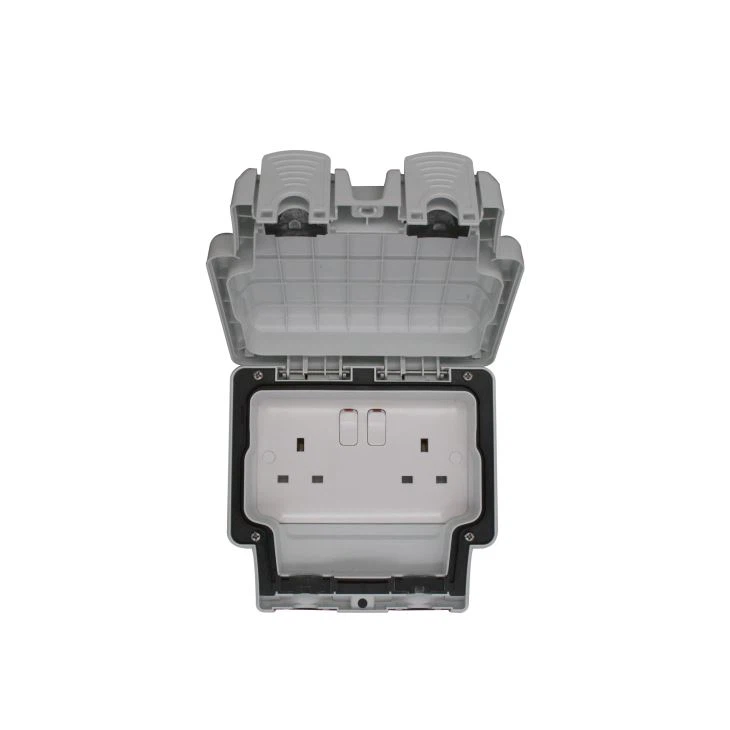
And if you're in need of a socket that can withstand the elements, check out our IP66 RCD Weatherproof Wall Socket With 2gang BS Socket Switch. This socket is designed to be waterproof and dustproof, making it perfect for outdoor use.
In conclusion, the minimum clearance around an electrical socket is an important safety consideration. By following the recommended guidelines and taking steps to ensure proper ventilation, you can help prevent overheating and reduce the risk of electrical fires. And if you're in the market for a new socket, be sure to check out our selection at [link to your website]. We've got a great range of products to choose from, and our team is always here to help you find the right one for your needs.
If you have any questions or would like to discuss your electrical socket requirements further, don't hesitate to get in touch. We're happy to have a chat and help you make the best decision for your home or business.
References:
- National Electrical Code (NEC)
- Electrical Safety Foundation International (ESFI)


