

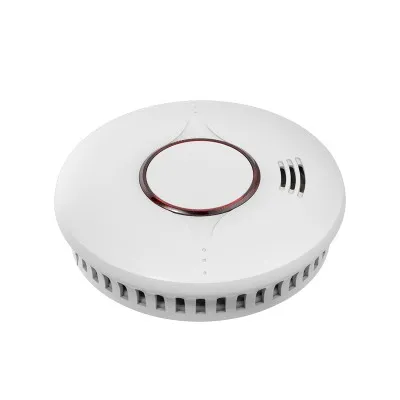




As a supplier of Smart Heat Detectors, one of the most frequently asked questions we receive is about the noise level of these devices' alarms. Understanding the noise level of a Smart Heat Detector's alarm is crucial, as it directly impacts the device's effectiveness in alerting people to potential fire hazards. In this blog post, we'll explore what the noise level of a Smart Heat Detector's alarm typically is, why it matters, and how it compares to other types of heat detectors.
What is the Noise Level of a Smart Heat Detector's Alarm?
The noise level of a Smart Heat Detector's alarm is measured in decibels (dB). Decibels are a logarithmic unit used to express the ratio of a sound's intensity to a reference level. In the context of heat detectors, the reference level is usually the threshold of human hearing, which is defined as 0 dB.
Most Smart Heat Detectors are designed to emit an alarm sound that is between 80 and 100 dB at a distance of 1 meter. This range is considered to be loud enough to be heard over background noise in most indoor environments, but not so loud as to cause discomfort or hearing damage.
For example, a typical conversation between two people is about 60 dB, while a vacuum cleaner operates at around 70 dB. A Smart Heat Detector's alarm at 80 - 100 dB is significantly louder than these common sounds, ensuring that it can grab people's attention in an emergency situation.
Why Does the Noise Level Matter?
The noise level of a Smart Heat Detector's alarm is a critical factor in its ability to perform its primary function: alerting people to the presence of a fire. Here are some reasons why the noise level matters:
1. Audibility
In a fire situation, time is of the essence. People need to be alerted as quickly as possible so they can evacuate the building safely. A loud alarm sound increases the chances that people will hear it, even if they are in another room or are distracted by other activities.


2. Overcoming Background Noise
Modern buildings can have a variety of background noises, such as the hum of air conditioning systems, the sound of traffic outside, or the noise from appliances. A high - decibel alarm can cut through this background noise and still be heard clearly.
3. Reaching Different Areas
In larger buildings or those with multiple floors, a louder alarm is more likely to reach all areas. Sound can be absorbed or blocked by walls, furniture, and other obstacles. A louder alarm has a better chance of traveling through these barriers and reaching people in different parts of the building.
Comparing Different Types of Heat Detectors
There are several types of heat detectors available on the market, including Mains Power Heat Detector With Battery, Hard Wired Heat Alarms, and Wireless Heat Detector. Each type may have slightly different noise levels and characteristics.
Mains Power Heat Detector With Battery
These detectors are powered by the building's electrical system and have a backup battery. They often have a relatively high - powered alarm system, which can produce a loud and consistent alarm sound. The battery backup ensures that the alarm will still work in the event of a power outage.
Hard Wired Heat Alarms
Hard - wired heat alarms are directly connected to the building's electrical wiring. They are typically installed during the construction or renovation of a building. These alarms can be integrated into a larger fire alarm system, and their noise levels can be adjusted to match the specific requirements of the building.
Wireless Heat Detector
Wireless heat detectors offer the advantage of easy installation, as they do not require extensive wiring. They usually have a built - in battery and communicate wirelessly with other devices in the system. While their noise levels are generally in the same range as other types of heat detectors, the battery life and signal strength can affect the consistency of the alarm sound.
Factors Affecting the Noise Level
Several factors can affect the actual noise level of a Smart Heat Detector's alarm that a person experiences:
1. Distance from the Detector
As sound travels through the air, it loses intensity. The farther a person is from the heat detector, the lower the perceived noise level will be. This is why it's important to install heat detectors in multiple locations throughout a building to ensure that the alarm can be heard everywhere.
2. Obstructions
Walls, doors, furniture, and other objects can block or absorb sound waves. If there are many obstructions between a person and the heat detector, the noise level will be reduced.
3. Environmental Conditions
The temperature, humidity, and air pressure in a room can also affect the way sound travels. For example, in a very hot and dry environment, sound may travel more easily, while in a cold and humid environment, it may be more difficult for the sound to reach a person.
Ensuring the Right Noise Level
As a supplier of Smart Heat Detectors, we take several steps to ensure that our products meet the appropriate noise level standards:
1. Testing
All of our heat detectors undergo rigorous testing in a controlled environment to measure their noise levels. We use specialized equipment to ensure that the alarm sound meets the required decibel range at a specified distance.
2. Quality Control
We have strict quality control measures in place during the manufacturing process. This includes checking the components of the alarm system, such as the speaker and the electronic circuitry, to ensure that they are functioning properly and producing a consistent sound.
3. Compliance with Standards
Our products are designed to comply with national and international standards for fire safety. These standards often specify the minimum and maximum noise levels for heat detector alarms.
Conclusion
The noise level of a Smart Heat Detector's alarm is a crucial aspect of its performance. A loud and clear alarm can save lives by alerting people to the presence of a fire in a timely manner. As a supplier, we are committed to providing high - quality heat detectors with reliable alarm systems that meet the necessary noise level requirements.
If you are interested in purchasing our Smart Heat Detectors for your home or business, we encourage you to contact us for more information. Our team of experts can help you choose the right type of heat detector for your specific needs and provide guidance on installation and maintenance.
References
- National Fire Protection Association (NFPA) standards on fire alarm systems.
- International Electrotechnical Commission (IEC) standards for heat detectors.
- Research studies on the audibility of fire alarms in different environments.


