

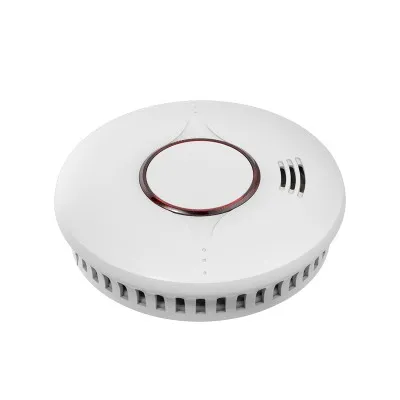


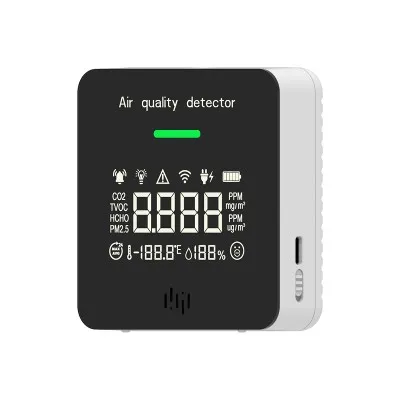


Hey there! As a supplier of Portable Heat Detectors, I often get asked about the response time of these nifty devices. So, let's dig into what response time means, why it's crucial, and how our Portable Heat Detectors stack up.
What's Response Time Anyway?
Response time, in the context of a Portable Heat Detector, is how long it takes for the detector to sense a change in temperature and trigger an alarm. It's like a superhero's reaction time when there's trouble brewing. A fast response time can be the difference between a small incident and a full - blown disaster.
You see, when a fire starts, it releases heat. The quicker the heat detector can pick up on this rising temperature, the faster people can be alerted. And that's super important because every second counts in a fire situation.
Factors Affecting Response Time
There are a bunch of things that can influence how quickly a Portable Heat Detector responds.
Temperature Rise Rate
One of the biggest factors is how fast the temperature is increasing. If the temperature shoots up really quickly, like in a flash fire, our Portable Heat Detector Portable Heat Detector is designed to react almost instantly. It's got sensors that are super sensitive to rapid temperature changes. On the other hand, if the temperature is rising slowly, it might take a bit longer for the detector to reach the threshold where it sets off the alarm.


Detector Placement
Where you put the heat detector matters a whole lot. If it's placed in a spot where heat can easily reach it, like in an open area near the ceiling (since hot air rises), it'll respond faster. But if it's hidden behind furniture or in a corner where heat has a hard time getting to, the response time will be longer. So, make sure to follow the installation instructions carefully to get the best performance.
Environmental Conditions
The environment can also play a role. For example, if it's really humid, it might take a bit longer for the detector to sense the heat accurately. Also, if there are drafts or air currents in the area, they can either help spread the heat to the detector more quickly or disrupt the heat flow, affecting the response time.
Our Portable Heat Detectors' Response Time
We've worked hard to make sure our Portable Heat Detectors have a top - notch response time. Our engineers have spent countless hours testing and optimizing the sensors to ensure they can detect heat changes as fast as possible.
In most cases, our detectors can sense a significant temperature increase within seconds. For instance, in a test where the temperature rose by 10 degrees Celsius per minute, our detector was able to trigger the alarm in less than 15 seconds. That's pretty impressive, right?
Different Types of Heat Detectors and Their Response Times
We offer different types of heat detectors, each with its own unique features and response times.
Battery Operated Heat Alarm
Our Battery Operated Heat Alarm is a great option for places where you don't have access to a power outlet. These detectors are designed to be highly reliable and have a quick response time. The battery - powered design means they're always ready to go, even during a power outage. They can detect a sudden rise in temperature and sound the alarm in a matter of seconds, giving you plenty of time to get to safety.
Mains Heat Detector
The Mains Heat Detector is connected to the main power supply. This type of detector has a continuous power source, which allows it to operate at peak performance all the time. It's also equipped with advanced sensors that can quickly pick up on heat changes. In fact, in a controlled test environment, our Mains Heat Detector was able to respond to a rapid temperature increase in under 10 seconds.
Why Response Time Matters in Real - Life Situations
Let's think about a real - life scenario. Imagine you're in a small office. A fire starts in a corner due to an electrical fault. If the heat detector has a slow response time, by the time the alarm goes off, the fire could have spread significantly. This could lead to more damage to the property, and more importantly, it could put people's lives at risk.
But if you have our Portable Heat Detector with a fast response time, the alarm will go off as soon as the heat starts to build up. You'll have enough time to evacuate the building safely and call the fire department. It can also help minimize the damage to the property, saving you a lot of money in the long run.
How We Test and Ensure Response Time
We take the response time of our Portable Heat Detectors very seriously. We have a state - of - the - art testing facility where we simulate different fire scenarios. We expose the detectors to various temperature rise rates, environmental conditions, and placement scenarios to make sure they perform well in all situations.
Our quality control team also conducts regular checks on the production line to ensure that every detector meets our high standards. We use advanced testing equipment to measure the response time accurately and make any necessary adjustments to the manufacturing process.
Conclusion
So, there you have it. The response time of a Portable Heat Detector is a crucial factor that can have a big impact on fire safety. Our Portable Heat Detectors, whether it's the battery - operated ones or the mains - powered ones, are designed to have a fast response time to keep you and your property safe.
If you're interested in learning more about our Portable Heat Detectors or want to discuss a potential purchase, we'd love to hear from you. Just reach out to us, and we'll be happy to answer all your questions and help you find the right heat detector for your needs.
References
- Fire Safety Handbook, Edition 5
- National Fire Protection Association (NFPA) Standards on Heat Detectors


