

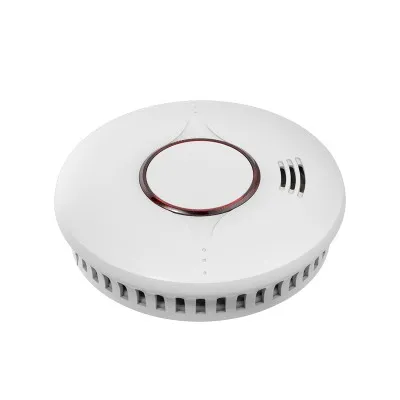




In the realm of fire safety, smart heat detectors have emerged as indispensable tools for early fire detection and prevention. As a leading supplier of smart heat detectors, we understand the critical role these devices play in safeguarding lives and property. One of the key factors that determine the effectiveness of a smart heat detector is its signal strength. In this blog post, we will delve into the concept of signal strength in smart heat detectors, exploring its importance, factors that affect it, and how it impacts the overall performance of these devices.
Understanding Signal Strength in Smart Heat Detectors
Signal strength refers to the power level of the radio frequency (RF) signal transmitted by a smart heat detector. This signal is used to communicate with other devices in a fire alarm system, such as control panels, repeaters, and other detectors. A strong signal ensures reliable and efficient communication, allowing the detector to quickly transmit alarm signals and status information to the central monitoring station or other connected devices.
In a smart heat detector, the signal strength is typically measured in decibels (dBm). A higher dBm value indicates a stronger signal, while a lower value indicates a weaker signal. For example, a signal strength of -70 dBm is stronger than a signal strength of -90 dBm. Most smart heat detectors are designed to operate within a specific signal strength range, typically between -80 dBm and -100 dBm.
Importance of Signal Strength
The signal strength of a smart heat detector is crucial for several reasons. Firstly, it directly affects the reliability of the communication between the detector and other devices in the fire alarm system. A strong signal ensures that alarm signals are transmitted quickly and accurately, reducing the risk of false alarms or missed detections. This is particularly important in large commercial or industrial buildings, where multiple detectors are installed and need to communicate effectively with each other and the central control panel.
Secondly, signal strength plays a vital role in the range of the smart heat detector. A stronger signal allows the detector to communicate over a greater distance, which is essential for covering large areas or multiple floors in a building. This is especially important in applications such as warehouses, factories, and high-rise buildings, where the detector needs to be able to communicate with the control panel from a significant distance.
Finally, signal strength can also impact the battery life of the smart heat detector. A weaker signal requires the detector to use more power to transmit the signal, which can drain the battery more quickly. On the other hand, a stronger signal allows the detector to operate more efficiently, conserving battery power and extending the battery life.
Factors Affecting Signal Strength
Several factors can affect the signal strength of a smart heat detector. These include:
- Distance: The distance between the detector and the receiving device, such as the control panel or repeater, can have a significant impact on the signal strength. As the distance increases, the signal strength decreases due to signal attenuation. To overcome this, repeaters can be installed to boost the signal and extend the range of the detector.
- Obstacles: Physical obstacles such as walls, floors, and metal objects can block or weaken the RF signal. This is known as signal interference. To minimize the impact of obstacles, it is important to install the detector in a location where there are no significant obstructions between the detector and the receiving device.
- Environmental Conditions: Environmental factors such as temperature, humidity, and electromagnetic interference can also affect the signal strength. For example, high temperatures can cause the signal to degrade, while electromagnetic interference from other electronic devices can disrupt the signal. To ensure reliable operation, it is important to choose a smart heat detector that is designed to operate in a wide range of environmental conditions.
- Antenna Design: The design of the antenna in the smart heat detector can also affect the signal strength. A well-designed antenna can enhance the signal strength and improve the overall performance of the detector. When choosing a smart heat detector, it is important to consider the antenna design and ensure that it is optimized for the specific application.
Types of Smart Heat Detectors and Their Signal Strength
There are several types of smart heat detectors available on the market, each with its own unique features and signal strength characteristics. Some of the most common types include:
- Wireless Heat Detector: Wireless heat detectors use RF signals to communicate with other devices in the fire alarm system. They are easy to install and can be placed in hard-to-reach locations. However, their signal strength can be affected by distance, obstacles, and environmental conditions. To ensure reliable communication, it is important to choose a wireless heat detector with a strong signal strength and to install repeaters if necessary.
- Hard Wired Heat Alarms: Hard wired heat alarms are connected to the building's electrical system using wires. They offer a more reliable and stable signal compared to wireless detectors, as they are not affected by RF interference. However, they require professional installation and can be more expensive.
- Mains Power Heat Detector With Battery: Mains power heat detectors with battery backup are powered by the building's electrical system and have a battery backup in case of a power outage. They offer the reliability of a hard wired detector with the added convenience of battery backup. Their signal strength is similar to that of hard wired detectors, but they may be more susceptible to power surges and electrical interference.
Measuring and Testing Signal Strength
To ensure the proper functioning of a smart heat detector, it is important to measure and test its signal strength regularly. This can be done using a signal strength meter, which is a device that measures the power level of the RF signal. The signal strength meter can be used to measure the signal strength at the detector itself, as well as at the receiving device, such as the control panel or repeater.
When measuring the signal strength, it is important to ensure that the detector is operating in a normal environment and that there are no significant obstacles or interference. The signal strength should be measured at multiple locations to ensure that the detector is providing a consistent signal throughout the area. If the signal strength is below the recommended range, steps should be taken to improve it, such as moving the detector to a different location, installing repeaters, or adjusting the antenna.
Improving Signal Strength
If the signal strength of a smart heat detector is weak, there are several steps that can be taken to improve it. These include:


- Relocating the Detector: Moving the detector to a different location can sometimes improve the signal strength. This is especially true if the detector is currently located in an area with a lot of obstacles or interference. When relocating the detector, it is important to ensure that it is still installed in a location where it can effectively detect heat and fire.
- Installing Repeaters: Repeaters can be installed to boost the signal and extend the range of the detector. Repeaters receive the signal from the detector and retransmit it at a higher power level, allowing it to reach the receiving device. When installing repeaters, it is important to ensure that they are placed in a location where they can receive a strong signal from the detector and transmit it effectively to the receiving device.
- Adjusting the Antenna: The antenna on the smart heat detector can sometimes be adjusted to improve the signal strength. This can be done by changing the orientation of the antenna or by using a different type of antenna. When adjusting the antenna, it is important to follow the manufacturer's instructions to ensure that the detector continues to operate properly.
- Reducing Interference: Interference from other electronic devices can sometimes affect the signal strength of the smart heat detector. To reduce interference, it is important to keep the detector away from other electronic devices, such as routers, microwave ovens, and cordless phones. It is also important to ensure that the detector is installed in a location where there are no significant sources of electromagnetic interference.
Conclusion
In conclusion, the signal strength of a smart heat detector is a critical factor that determines its effectiveness and reliability. A strong signal ensures reliable communication, extends the range of the detector, and conserves battery power. By understanding the factors that affect signal strength and taking steps to improve it, you can ensure that your smart heat detector provides optimal performance and protects your property and occupants from the dangers of fire.
If you are interested in learning more about our smart heat detectors or have any questions about signal strength or other aspects of fire safety, please do not hesitate to contact us. Our team of experts is available to provide you with the information and support you need to make an informed decision. We look forward to working with you to ensure the safety of your property and occupants.
References
- National Fire Protection Association (NFPA). (2019). NFPA 72: National Fire Alarm and Signaling Code.
- Underwriters Laboratories (UL). (2018). UL 521: Standard for Heat Detectors for Fire-Protection Signaling Systems.
- International Electrotechnical Commission (IEC). (2017). IEC 60730-2-9: Automatic electrical controls - Part 2-9: Particular requirements for temperature sensing controls.


