





Hey there! As a supplier of heat detectors with cable, I often get asked about the safety standards these devices need to meet. It's a crucial topic, especially when it comes to protecting lives and property from the threat of fire. So, let's dive right in and explore what these safety standards are all about.
First off, one of the most fundamental aspects is the temperature sensitivity. A heat detector with cable should be able to accurately detect an increase in temperature within a specific range. This range is typically defined by international standards. For instance, in many cases, the detector should activate when the temperature reaches around 57°C to 60°C. This is because most fires start to emit significant amounts of heat around this temperature range, and an early detection can make a huge difference in preventing a small fire from turning into a major disaster.


Another important standard is the response time. The detector needs to react quickly once it senses an abnormal rise in temperature. There are different types of heat detectors, such as fixed - temperature and rate - of - rise detectors. Fixed - temperature detectors are designed to activate when a pre - set temperature is reached. Rate - of - rise detectors, on the other hand, trigger when the temperature increases at a rapid rate, even if the actual temperature hasn't reached the fixed - temperature threshold yet. The response time should be fast enough to give occupants sufficient time to evacuate the building safely.
In terms of electrical safety, the cable of the heat detector must meet strict requirements. The insulation of the cable should be able to withstand high temperatures and prevent electrical short - circuits. It should also be resistant to environmental factors like moisture, dust, and chemicals. This ensures that the detector can operate reliably in different conditions without posing an electrical hazard.
The housing of the heat detector also has its own set of safety standards. It should be made of fire - resistant materials to prevent the spread of fire from the detector itself. The housing should also be sturdy enough to protect the internal components from physical damage. This is important because any damage to the internal components could affect the accuracy and reliability of the detector.
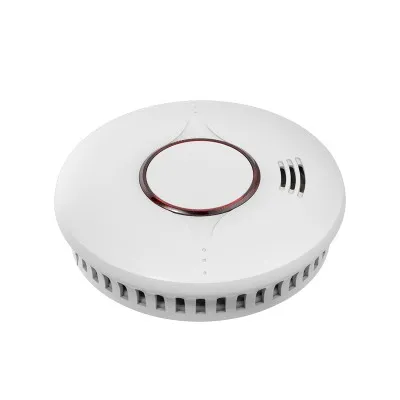
Now, let's talk about some of the products we offer. We have the AC Power Heat Detector, which is a great option for those who need a reliable heat detector powered by AC. It meets all the necessary safety standards and is designed for long - term use. Our Wired Heat Detector is another popular choice. It has a battery backup, which means it can still function in case of a power outage, providing an extra layer of protection. And then there's the Mains Heat Alarm, which is easy to test and operate, making it a user - friendly option for both residential and commercial settings.
When it comes to installation, the heat detector with cable should be installed in accordance with the manufacturer's instructions and local building codes. This includes proper placement of the detector to ensure maximum coverage and effectiveness. For example, detectors should be installed on the ceiling or high on the walls, as heat rises and these are the areas where heat will accumulate first.
Regular maintenance and testing are also essential to ensure that the heat detector continues to meet safety standards. The detector should be tested at least once a month to make sure it's working properly. This can usually be done by pressing the test button on the detector. In addition, the detector should be inspected and serviced by a qualified professional at least once a year.
We understand that choosing the right heat detector can be a bit overwhelming, especially with so many options available in the market. That's why we're here to help. Our team of experts can provide you with all the information you need to make an informed decision. Whether you're looking for a heat detector for your home, office, or industrial facility, we have the right product for you.
If you're interested in purchasing our heat detectors with cable, or if you have any questions about our products and the safety standards they meet, don't hesitate to get in touch. We're always happy to have a chat and discuss your specific needs. You can reach out to us, and we'll guide you through the whole process, from choosing the right product to installation and after - sales support.
In conclusion, heat detectors with cable play a vital role in fire safety. By meeting strict safety standards in terms of temperature sensitivity, response time, electrical safety, and housing, these detectors can provide reliable protection against fires. Our products are designed to meet and exceed these standards, giving you peace of mind knowing that you're investing in a high - quality and safe heat detection solution.
References
- International Electrotechnical Commission (IEC) standards for heat detectors
- National Fire Protection Association (NFPA) codes related to fire detection systems


