





Hey there! As a heat detector supplier, I often get asked which type of heat detector is better for a warehouse. Well, it's not a one-size-fits-all answer, and in this blog, I'll break down the different types of heat detectors and help you figure out what's best for your warehouse.
Understanding Heat Detectors
Before we dive into the types, let's quickly understand what heat detectors are and why they're important in a warehouse. Heat detectors are devices that sense changes in temperature and trigger an alarm when the temperature reaches a certain level or rises at a specific rate. In a warehouse, where there's a lot of stored goods and potentially hazardous materials, having a reliable heat detection system can prevent disasters like fires from getting out of control.
Types of Heat Detectors
Fixed Temperature Heat Detectors
Fixed temperature heat detectors are the most common type. These detectors are set to trigger an alarm when the temperature reaches a pre - determined fixed level, usually around 135°F (57°C) to 200°F (93°C). They're simple, reliable, and cost - effective.
The way they work is pretty straightforward. Inside the detector, there's a heat - sensitive element, like a bimetallic strip or a fusible alloy. When the temperature rises to the set point, the bimetallic strip bends or the fusible alloy melts, which then closes an electrical circuit and sets off the alarm.
One of the advantages of fixed temperature heat detectors is their simplicity. They don't require a lot of maintenance, and they're easy to install. However, they might not be the best choice if the normal temperature in your warehouse fluctuates a lot. For example, if your warehouse is in a hot climate and the temperature regularly gets close to the set point of the detector, you might get false alarms.
Rate - of - Rise Heat Detectors
Rate - of - rise heat detectors, on the other hand, are designed to detect a rapid increase in temperature. Instead of looking for a specific temperature, they monitor how quickly the temperature is rising. If the temperature rises at a rate faster than a pre - set value (usually around 12°F to 15°F per minute), the detector will trigger an alarm.
These detectors are great for catching fires in the early stages. Fires typically start small and then spread quickly, causing a rapid increase in temperature. Rate - of - rise heat detectors can sense this change and alert you before the fire gets out of hand.


But they also have their drawbacks. They can be more sensitive to normal temperature fluctuations in the warehouse. For instance, if you open a large door on a hot day and let a rush of hot air in, it could cause a temporary rapid rise in temperature and trigger a false alarm.
Combination Heat Detectors
Combination heat detectors combine the features of both fixed temperature and rate - of - rise detectors. They can trigger an alarm either when the temperature reaches a fixed level or when there's a rapid increase in temperature.
This type of detector offers the best of both worlds. You get the reliability of a fixed temperature detector and the early detection capabilities of a rate - of - rise detector. It can reduce the chances of false alarms while still providing good fire protection. However, combination heat detectors are usually more expensive than single - function detectors.
Factors to Consider for a Warehouse
Warehouse Size
The size of your warehouse matters. In a large warehouse, you might want to use a combination of different types of heat detectors. For example, you could place fixed temperature detectors in areas where the temperature is relatively stable, like near the walls or in storage areas. And you could use rate - of - rise detectors in areas where there's more activity, like loading docks or areas with machinery that generates heat.
Type of Goods Stored
The type of goods stored in your warehouse is another important factor. If you're storing flammable materials, you'll want a heat detection system that can detect fires as early as possible. Rate - of - rise or combination heat detectors would be a good choice in this case. On the other hand, if you're storing non - flammable goods, fixed temperature detectors might be sufficient.
Environmental Conditions
The environmental conditions in the warehouse, such as humidity, dust, and temperature fluctuations, also play a role. If your warehouse is in a dusty environment, you'll need heat detectors that are resistant to dust. Some detectors come with special filters to prevent dust from interfering with their operation.
Other Related Detectors
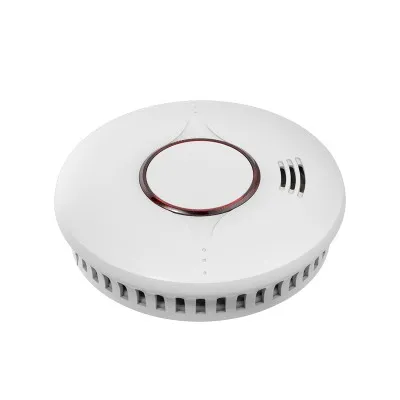
In addition to heat detectors, there are other types of detectors that can be useful in a warehouse. For example, Wireless Interconnected Smoke Detectors can detect smoke, which is often an early sign of a fire. These detectors can be interconnected, so if one detector senses smoke, all the detectors in the system will go off.
Carbon Monoxide Alarm is also important, especially if there are fuel - burning equipment in the warehouse. Carbon monoxide is a colorless, odorless gas that can be deadly. An alarm can alert you to the presence of this gas before it reaches dangerous levels.
Linked Smoke Alarms are another option. They work similarly to wireless interconnected smoke detectors but might have different features and capabilities.
Making the Decision
So, which type of heat detector is better for a warehouse? It really depends on your specific needs. If you're on a budget and the temperature in your warehouse is relatively stable, fixed temperature heat detectors might be the way to go. If you want early fire detection and can tolerate a few false alarms, rate - of - rise detectors could be a good choice. And if you want the best of both worlds and have a bit more money to spend, combination heat detectors are ideal.
When making your decision, it's also a good idea to consult with a professional. They can assess your warehouse, take into account all the factors we've discussed, and recommend the most suitable heat detection system for you.
Let's Talk!
If you're interested in purchasing heat detectors or any of the related products I've mentioned, I'd love to have a chat with you. I can provide you with more detailed information, answer any questions you might have, and help you find the perfect solution for your warehouse. Just reach out, and we can start the conversation about keeping your warehouse safe.
References
- NFPA 72: National Fire Alarm and Signaling Code
- UL Standards for Heat Detectors
- Industry research reports on fire safety in warehouses


