

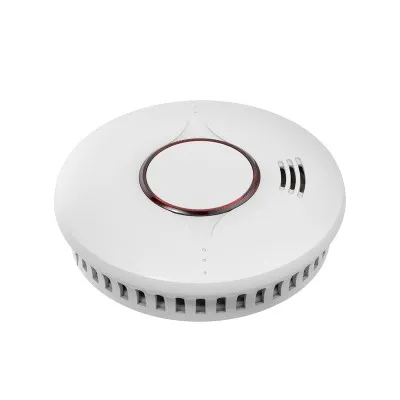


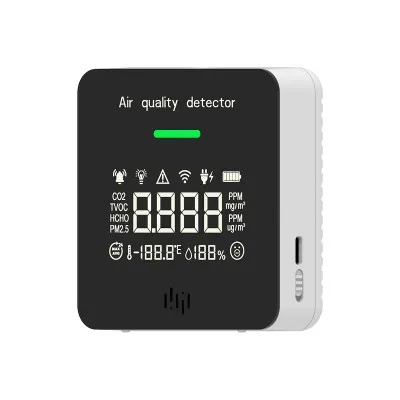


As a provider of Intelligent Heat Detectors, I'm often asked about how these remarkable devices detect heat in utility rooms. Utility rooms, with their various electrical appliances, plumbing, and storage, can be prone to heat - related issues such as overheating of equipment or potential fire hazards. In this blog, I'll delve into the science behind how an Intelligent Heat Detector functions in these environments.
Understanding the Basics of Heat Detection
Heat detection is a crucial aspect of safety in any space, and utility rooms are no exception. An Intelligent Heat Detector is designed to sense changes in temperature and provide an early warning when abnormal heat levels are detected. Unlike traditional heat detectors, intelligent versions can analyze the data they collect, make more accurate decisions, and communicate with other security or building management systems.
Types of Sensors Used in Intelligent Heat Detectors
Thermistors
One of the most common sensors used in Intelligent Heat Detectors is the thermistor. A thermistor is a type of resistor whose resistance changes with temperature. In a utility room, the thermistor in the heat detector is constantly monitoring the ambient temperature. As the temperature rises, the resistance of the thermistor changes. This change in resistance is then converted into an electrical signal by the detector's circuitry.
The detector is pre - calibrated to a specific temperature threshold. When the temperature in the utility room reaches this threshold, the electrical signal triggers an alarm. For example, if the normal operating temperature in a utility room is around 25°C and the detector is set to alarm at 60°C, once the thermistor senses a temperature of 60°C or above, the alarm will sound.
Bimetallic Strips
Another sensor technology used in some Intelligent Heat Detectors is the bimetallic strip. A bimetallic strip consists of two different metals bonded together. Each metal has a different coefficient of thermal expansion, which means they expand at different rates when heated.
In a utility room, as the temperature increases, the bimetallic strip bends due to the differential expansion of the two metals. This bending motion can be used to close an electrical circuit, which in turn activates the alarm. Bimetallic strips are relatively simple and reliable, making them a popular choice for heat detection in utility rooms where durability is important.
Advanced Detection Techniques
Rate - of - Rise Detection
Intelligent Heat Detectors often incorporate rate - of - rise detection. In a utility room, a sudden and rapid increase in temperature can be a sign of a serious problem, such as an electrical short - circuit or a malfunctioning appliance. Rate - of - rise detection measures how quickly the temperature is changing.
The detector continuously monitors the rate at which the temperature is rising. If the temperature rises at a rate that exceeds a pre - set limit, even if the actual temperature has not yet reached the alarm threshold, the detector will trigger an alarm. For example, if the normal temperature change in a utility room is less than 5°C per minute, and the detector is set to alarm if the rate of rise exceeds 10°C per minute, it will sound the alarm as soon as it detects such a rapid increase.
Multisensor Technology
Some of our Intelligent Heat Detector models use multisensor technology. In addition to temperature sensors, they may also include other sensors such as smoke sensors or humidity sensors. In a utility room, this combination of sensors can provide more comprehensive protection.
For instance, if there is a small fire in a utility room, the heat detector will detect the increase in temperature, while the smoke sensor will detect the presence of smoke. The detector can then analyze the data from both sensors to make a more accurate determination of whether there is a real threat. If it only detects a slight increase in temperature without any smoke, it may be a false alarm caused by a normal heat - generating appliance. But if it detects both a significant increase in temperature and the presence of smoke, it can be sure that there is a fire and trigger the alarm immediately.
Communication and Integration
Intelligent Heat Detectors are not just standalone devices. They are designed to communicate with other systems in the building. In a utility room, they can be connected to a central security system or a building management system.


When the detector senses abnormal heat levels, it can send a signal to the central system. This signal can include information such as the location of the detector (in case there are multiple detectors in the utility room), the current temperature, and the time of the detection. The central system can then take appropriate actions, such as notifying the building occupants, the fire department, or shutting down certain electrical circuits to prevent further damage.
Some of our detectors also support wireless communication. Our Wireless Heat Detector can transmit data wirelessly to the central system, which makes installation easier and more flexible. There is no need to run cables throughout the utility room, which can save time and money during the installation process.
Power Supply Options
We offer different power supply options for our Intelligent Heat Detectors to meet the needs of different utility rooms. One option is the Mains Power Heat Detector With Battery. This detector is powered by the mains electricity, which ensures a continuous power supply. At the same time, it also has a built - in battery as a backup.
In a utility room, if there is a power outage, the battery will take over and keep the detector operational. This is important because a power outage can sometimes be caused by a fire or other electrical problems in the utility room. Having a backup power supply ensures that the detector can still detect heat and provide an alarm even when the mains power is not available.
Why Choose Our Intelligent Heat Detectors
Our Intelligent Heat Detectors are designed with the latest technology and high - quality materials. They are reliable, accurate, and easy to install. Whether you have a small residential utility room or a large commercial one, our detectors can provide the protection you need.
We understand the unique requirements of utility rooms, such as the presence of various electrical and mechanical equipment, and we have designed our detectors to work effectively in these environments. Our detectors are also constantly updated to keep up with the latest safety standards and technological advancements.
Contact Us for Procurement
If you are interested in purchasing our Intelligent Heat Detectors for your utility rooms, we invite you to contact us for more information and to discuss your specific needs. Our team of experts is ready to assist you in choosing the right detector for your situation and to provide you with professional installation and after - sales support. Don't compromise on the safety of your utility rooms. Invest in our high - quality Intelligent Heat Detectors today.
References
- "Fire Detection and Alarm Systems Handbook" by George Milke
- "Introduction to Sensors and Instrumentation" by Jacob Fraden
- Industry standards and guidelines for heat detection in utility rooms


