





Why does my electrical socket make a buzzing sound?
Have you ever been sitting in your room, enjoying the quiet, when suddenly you hear a faint buzzing sound? You follow the sound and realize it's coming from one of your electrical sockets. This can be quite alarming, and you're probably wondering what's causing it and if it's dangerous. As an electrical socket supplier, I've encountered this issue many times, and in this blog, I'll explain the possible reasons behind the buzzing sound and what you can do about it.
Loose Connections
One of the most common reasons for a buzzing sound in an electrical socket is loose connections. Over time, the wires inside the socket can become loose due to regular use, vibration, or improper installation. When the wires are loose, the electrical current may not flow smoothly, causing arcing. Arcing is the process of electricity jumping across a gap between two conductors, and it can produce a buzzing or crackling sound.

Loose connections are not only annoying but also dangerous. They can lead to overheating, which may cause a fire. If you suspect that loose connections are the cause of the buzzing sound, it's crucial to turn off the power to the socket at the circuit breaker and have a qualified electrician inspect and repair it.
Overloaded Circuit
Another possible cause of a buzzing electrical socket is an overloaded circuit. Every electrical circuit has a maximum capacity, measured in amps. If you plug in too many high - wattage appliances into a single socket or a circuit, the circuit may become overloaded. When a circuit is overloaded, the electrical current flowing through the wires and the socket increases, which can cause the wires to heat up and produce a buzzing sound.
To avoid overloading a circuit, you should check the wattage of your appliances and make sure that the total wattage of the appliances plugged into a circuit does not exceed its maximum capacity. If you frequently experience overloading, you may need to install additional circuits or use power strips with built - in circuit breakers.
Faulty Socket
The socket itself may be faulty. Over time, the internal components of the socket, such as the contacts or the switch, can wear out or become damaged. A damaged contact may not make a proper connection with the plug, leading to arcing and a buzzing sound. Similarly, a faulty switch can cause intermittent electrical flow, resulting in a buzzing noise.
If you suspect that the socket is faulty, it's best to replace it. As an electrical socket supplier, we offer a wide range of high - quality sockets, including the 13A Switched Socket and the Switched Socket. These sockets are designed to provide a safe and reliable electrical connection, reducing the risk of buzzing sounds and other electrical issues.
EMI (Electromagnetic Interference)
Electromagnetic interference can also cause a buzzing sound in an electrical socket. EMI is generated by electrical devices such as motors, transformers, and electronic equipment. When these devices are in close proximity to the socket, the electromagnetic fields they produce can interfere with the electrical current in the socket, causing a buzzing or humming sound.
To reduce EMI, you can try moving the electrical devices away from the socket. You can also use shielded cables and electrical filters to block the electromagnetic interference.
Grounding Issues
Proper grounding is essential for the safe operation of electrical systems. If the socket is not properly grounded, it can cause electrical problems, including a buzzing sound. A grounding issue can occur if the grounding wire is loose, damaged, or not connected at all.
If you suspect a grounding issue, it's important to have a professional electrician check the grounding system. A properly grounded socket can prevent electrical shocks and reduce the risk of electrical fires.
How to Fix a Buzzing Electrical Socket
- Turn off the Power: Before attempting any repairs, always turn off the power to the socket at the circuit breaker. This will prevent electrical shocks.
- Inspect the Socket: Carefully remove the socket cover and visually inspect the wires and connections. Look for any signs of damage, such as frayed wires or loose connections.
- Tighten Connections: If you find any loose connections, use a screwdriver to tighten them. Make sure not to overtighten, as this can damage the wires.
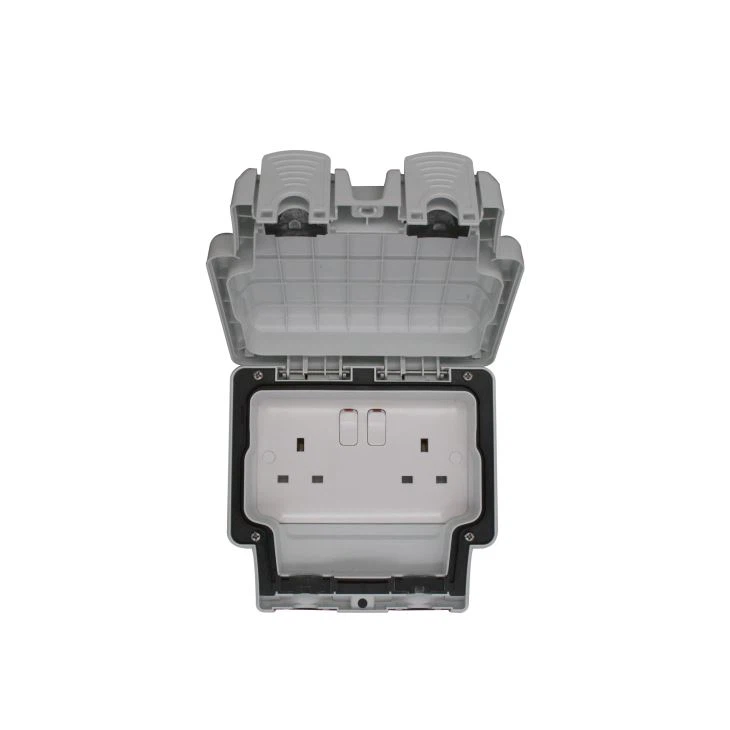
- Replace the Socket: If the socket is damaged or worn out, replace it with a new one. You can choose from our selection of high - quality sockets, such as the IP66 RCD Weatherproof Wall Socket With 2gang BS Socket Switch, which is suitable for both indoor and outdoor use.
- Call a Professional: If you're not comfortable working with electrical systems, or if you're unsure about the cause of the buzzing sound, it's best to call a qualified electrician.
Conclusion
A buzzing electrical socket can be a sign of a minor issue or a serious electrical problem. It's important to address the issue promptly to ensure the safety of your home and your family. As an electrical socket supplier, we are committed to providing high - quality products and solutions to meet your electrical needs.
If you're experiencing a buzzing sound in your electrical sockets or if you're looking to upgrade your electrical system, we're here to help. Contact us to discuss your requirements and let us assist you in finding the right electrical sockets for your home or business.
References
- National Electrical Code (NEC)
- Electrical Safety Foundation International (ESFI)
- Underwriters Laboratories (UL) Standards for Electrical Equipment


