

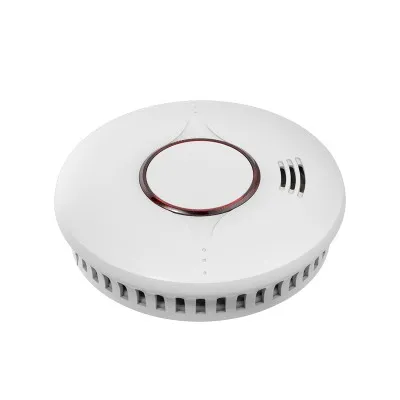


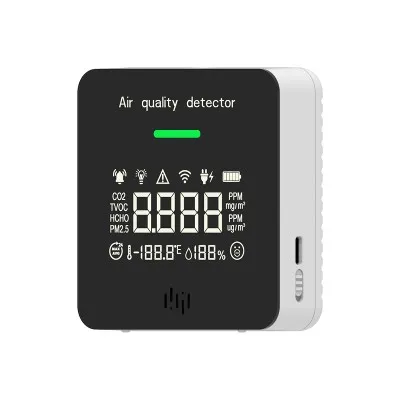


Hey there! As a supplier of Fire Proof Heat Detectors, I often get asked if these devices can be used in schools. It's a crucial question, considering the safety of students and staff is of utmost importance. So, let's dive right in and explore this topic.
First off, what exactly is a fire proof heat detector? Well, it's a device designed to detect an increase in temperature, which could be a sign of a fire. These detectors are pretty nifty because they can work in various environments and are less likely to give false alarms compared to smoke detectors. They're especially useful in areas where there's a lot of dust or steam, which can trigger smoke detectors.
Now, let's talk about schools. Schools are unique places with a high volume of people, lots of different rooms, and various activities going on. From classrooms and labs to cafeterias and gyms, each area has its own set of risks. For example, science labs might have chemicals and equipment that could potentially start a fire, while cafeterias have cooking appliances.
So, can a fire proof heat detector be used in schools? The short answer is yes, and there are several good reasons for it.
Advantages of Using Fire Proof Heat Detectors in Schools
1. Reliability
Fire proof heat detectors are highly reliable. They're not affected by dust, steam, or other airborne particles that can cause false alarms in smoke detectors. In a school setting, where there can be a lot of movement and activity, false alarms can be a real nuisance. They disrupt classes, waste time, and can even desensitize students and staff to real emergencies. With a fire proof heat detector, you can be more confident that when the alarm goes off, it's for a legitimate reason.
2. Complementary to Smoke Detectors
While smoke detectors are a staple in fire safety, they don't always detect fires right away. Some fires, especially those that start slowly or involve materials that don't produce a lot of smoke initially, might not be picked up by smoke detectors until it's too late. Fire proof heat detectors can act as a backup. They can detect the increase in temperature associated with a fire, even if there's no visible smoke. This dual protection can give schools an extra layer of safety.
3. Suitable for Different Areas
Schools have a variety of areas, each with its own requirements. For instance, in areas where there's a lot of dust, like workshops or storage rooms, smoke detectors might not be the best option. Fire proof heat detectors, on the other hand, can work well in these environments. They can also be used in areas where there's a risk of steam, such as near science lab sinks or in the cafeteria kitchen.
4. Long - Term Cost - Effectiveness
Although the initial cost of installing fire proof heat detectors might be a bit higher than some other types of detectors, they can be more cost - effective in the long run. They require less maintenance compared to smoke detectors, as they're not as prone to getting clogged with dust or other particles. This means less time and money spent on cleaning and servicing the detectors.
Types of Fire Proof Heat Detectors for Schools
As a supplier, I offer a range of fire proof heat detectors that are suitable for schools.
Mains Heat Detector
The Mains Heat Detector is a great option for schools. It's powered by the mains electricity supply, which means it's always ready to go. This type of detector is ideal for permanent installations in classrooms, hallways, and other areas where continuous power is available. It provides reliable and consistent performance, and it can be easily integrated into a larger fire alarm system.
Battery Operated Heat Alarm
If you're looking for a more flexible option, the Battery Operated Heat Alarm is a good choice. It's easy to install and can be placed in areas where there's no access to mains power. This is useful for temporary setups, such as in portable classrooms or during school events. The batteries provide backup power, so the detector will still work in case of a power outage.
Portable Heat Detector
For areas that require mobility, the Portable Heat Detector is the way to go. It can be moved around as needed, making it suitable for areas like sports fields or outdoor events. This type of detector is also useful for schools that have ongoing construction or renovation projects, where the fire safety needs might change.


Installation and Maintenance
When it comes to installing fire proof heat detectors in schools, it's important to follow the manufacturer's instructions and local fire safety codes. Professional installation is recommended to ensure that the detectors are placed in the right locations and are properly connected.
Maintenance is also crucial. Regularly check the detectors to make sure they're working properly. This includes testing the alarms, checking the batteries (if applicable), and cleaning the detectors as needed. It's a good idea to have a maintenance schedule in place to ensure that all detectors are inspected and serviced on a regular basis.
Conclusion
In conclusion, fire proof heat detectors can definitely be used in schools, and they offer several advantages over other types of fire detection devices. They're reliable, complementary to smoke detectors, suitable for different areas, and can be cost - effective in the long run. Whether you choose a mains - powered detector, a battery - operated alarm, or a portable option, these devices can help keep schools safe from fires.
If you're interested in learning more about our fire proof heat detectors or are considering purchasing them for your school, I'd love to have a chat with you. Feel free to reach out, and we can discuss your specific needs and how our products can meet them.
References
- National Fire Protection Association. (Year). NFPA 101: Life Safety Code.
- International Building Code. (Year). Building Safety Standards.


