





How can I ensure a hardwired heat detector works properly in hot environments?
As a supplier of hardwired heat detectors, I understand the importance of ensuring these devices function correctly, especially in hot environments. Heat detectors are crucial for fire safety, and in high - temperature settings, their reliability can be compromised. In this blog, I'll share some key strategies to guarantee the proper operation of hardwired heat detectors in such conditions.
Understanding the Impact of Hot Environments on Heat Detectors
Before delving into the solutions, it's essential to understand how hot environments can affect hardwired heat detectors. High temperatures can cause false alarms if the detector is not properly calibrated. The heat - sensing elements may be triggered by the ambient heat rather than an actual fire. Additionally, extreme heat can damage the internal components of the detector over time, leading to malfunctions or reduced sensitivity.
Selecting the Right Heat Detector
The first step in ensuring proper operation in hot environments is to choose the appropriate heat detector. There are different types of hardwired heat detectors available, such as fixed - temperature and rate - of - rise detectors.
Fixed - temperature detectors are designed to activate when the ambient temperature reaches a pre - set level. For hot environments, it's crucial to select a detector with a higher fixed - temperature threshold. This ensures that the detector doesn't trigger false alarms due to the normal high ambient temperature. For example, in industrial kitchens where the temperature can regularly reach high levels, a fixed - temperature detector with a threshold of 70°C or higher might be more suitable.
Rate - of - rise detectors, on the other hand, are sensitive to rapid increases in temperature. They are less likely to be affected by constant high temperatures but can quickly detect a sudden spike in temperature, which is often an indication of a fire. In some hot environments where there are occasional rapid temperature changes, a combination of fixed - temperature and rate - of - rise detectors can provide more comprehensive protection.


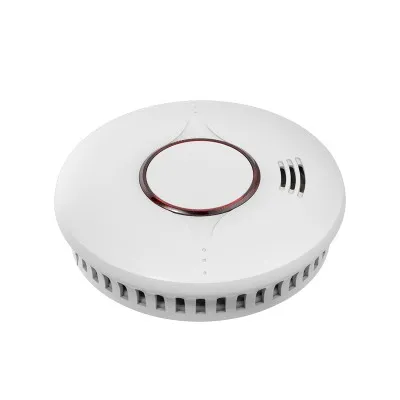
We offer a range of high - quality heat detectors suitable for various hot environments. You can explore our Heat Fire Alarm and Mains Heat Alarm options, which are designed to perform reliably in challenging conditions.
Proper Installation
Proper installation is key to the correct functioning of hardwired heat detectors in hot environments. Here are some installation tips:
- Location: Install the detector away from direct sources of heat, such as heaters, ovens, or industrial furnaces. Placing the detector too close to these heat sources can cause false alarms or damage the detector. It should be installed at a height and location where it can accurately sense the overall temperature of the area without being influenced by local hot spots.
- Ventilation: Ensure that the detector has proper ventilation. In hot environments, good ventilation helps to prevent the build - up of heat around the detector, which can affect its performance. Avoid installing the detector in enclosed spaces where heat can accumulate.
- Wiring: Use high - quality wiring that can withstand high temperatures. Poor - quality wiring can degrade in hot environments, leading to electrical problems and potential malfunctions of the detector. Make sure the wiring is properly insulated and secured to prevent short circuits.
Regular Maintenance and Testing
Regular maintenance and testing are essential to keep hardwired heat detectors working properly in hot environments.
- Cleaning: Dust and debris can accumulate on the detector over time, especially in industrial or dirty hot environments. This can block the heat - sensing elements and reduce the detector's sensitivity. Regularly clean the detector using a soft brush or compressed air to remove any dirt or dust.
- Calibration: Periodically calibrate the detector to ensure that it is accurately measuring the temperature. In hot environments, the calibration may need to be adjusted more frequently due to the effects of high temperatures on the detector's internal components.
- Testing: Test the detector regularly to ensure that it is functioning correctly. This can be done using a heat source specifically designed for testing heat detectors. Follow the manufacturer's instructions for testing to ensure accurate results.
Environmental Considerations
In addition to the above steps, it's important to consider the overall environmental conditions in hot environments.
- Humidity: High humidity can also affect the performance of heat detectors. In some hot and humid environments, moisture can condense on the detector, leading to corrosion or electrical problems. Ensure that the detector is designed to withstand high humidity levels or use additional protective measures, such as enclosures.
- Chemical Exposure: In industrial hot environments, the detector may be exposed to chemicals. Some chemicals can react with the detector's components and damage them. Choose a detector that is resistant to the chemicals present in the environment or use protective coatings.
Monitoring and Upgrading
Implement a monitoring system to keep track of the detector's performance. This can include remote monitoring, which allows you to check the status of the detector in real - time. If any issues are detected, such as a decrease in sensitivity or a malfunction, immediate action can be taken.
As technology advances, consider upgrading your hardwired heat detectors. Newer models may have improved features, such as better heat - sensing technology, higher resistance to environmental factors, and more accurate calibration. Upgrading can ensure that your fire safety system remains effective in hot environments.
We also provide Heat Alarm For Kitchen, which is specifically designed for the unique hot and often greasy environment of kitchens.
Conclusion
Ensuring that a hardwired heat detector works properly in hot environments requires a combination of careful selection, proper installation, regular maintenance, and environmental considerations. By following these strategies, you can enhance the reliability of your heat detectors and ensure the safety of your premises.
If you are interested in purchasing high - quality hardwired heat detectors or need more information about ensuring their proper operation in hot environments, please feel free to contact us for a procurement discussion. We are committed to providing you with the best fire safety solutions.
References
- NFPA 72: National Fire Alarm and Signaling Code
- Manufacturer's installation and maintenance manuals for hardwired heat detectors


