





Can an RF Heat Detector be used in train stations?
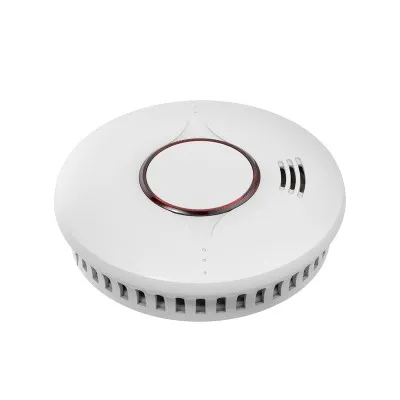
As a supplier of RF heat detectors, I often get asked whether these devices are suitable for use in train stations. Train stations are complex environments, with high - traffic areas, a variety of electrical systems, and unique structural features. In this blog, I'll explore the feasibility of using RF heat detectors in train stations, considering their advantages, potential challenges, and how they compare to other types of heat detectors.
Advantages of RF Heat Detectors in Train Stations
Wireless Connectivity
One of the most significant advantages of RF heat detectors is their wireless connectivity. In a large - scale environment like a train station, running cables for traditional hard - wired detectors can be extremely challenging and costly. With RF technology, detectors can be easily installed in various locations without the need for extensive cabling. This is particularly useful in existing train stations where retrofitting wired systems would disrupt normal operations. For example, platforms, concourses, and even some of the more remote areas such as storage rooms can be quickly equipped with RF heat detectors.
Flexibility and Scalability
RF heat detectors offer great flexibility. They can be easily re - positioned or added to an existing system as the needs of the train station change. For instance, if a new section of the station is opened or renovated, additional detectors can be integrated into the existing network without major infrastructure overhauls. This scalability is crucial in a dynamic environment like a train station, where expansions and modifications are common.
Real - Time Monitoring
Many modern RF heat detectors are capable of real - time monitoring. They can send alerts to a central monitoring station or to the mobile devices of station staff. This immediate notification is vital in a train station, where a fire or over - heating situation can quickly escalate and endanger the lives of passengers and staff. The ability to detect and respond to heat anomalies promptly can prevent disasters and minimize damage.
Potential Challenges
Interference
One of the main challenges of using RF heat detectors in train stations is the potential for interference. Train stations are filled with a large number of electronic devices, including communication systems, ticket machines, and security equipment. These devices can generate electromagnetic interference that may affect the performance of RF heat detectors. To mitigate this issue, high - quality RF detectors with advanced filtering technology should be used. Additionally, proper installation and positioning of the detectors can help reduce the impact of interference.
Environmental Conditions
Train stations are exposed to a wide range of environmental conditions. Dust, humidity, and temperature variations can all affect the performance of RF heat detectors. For example, high levels of dust can clog the sensors of the detector, leading to false alarms or reduced sensitivity. Detectors designed to withstand harsh environmental conditions, such as those with dust - resistant and moisture - proof casings, should be selected for train station applications.
Signal Range
The signal range of RF heat detectors can be a limitation in large train stations. Some areas of the station, such as deep underground platforms or large open concourses, may be far from the central monitoring system. In such cases, signal repeaters may be required to ensure that the detector signals can reach the monitoring station reliably.
Comparison with Other Types of Heat Detectors
Hard Wired Heat Alarms
Hard Wired Heat Alarms are a traditional option for fire detection. They are known for their reliability, as they are directly connected to the power supply and the monitoring system. However, as mentioned earlier, the installation of hard - wired systems in train stations can be difficult and costly. RF heat detectors, on the other hand, offer a more cost - effective and less disruptive alternative, especially for retrofitting projects.
Mains Power Heat Detector With Battery
Mains Power Heat Detector With Battery provides a backup power source, which is an important feature in case of a power outage. RF heat detectors can also be designed with battery backup options. The main difference lies in the installation and connectivity. Mains - powered detectors still require cabling, while RF detectors offer wireless installation advantages.
Intelligent Heat Detector
Intelligent Heat Detector are capable of self - diagnosis and can adjust their sensitivity based on the environment. RF heat detectors can also incorporate intelligent features, such as real - time data analysis and self - calibration. The key advantage of RF technology in this context is the ability to easily integrate multiple intelligent detectors into a network for comprehensive monitoring.
Conclusion
In conclusion, RF heat detectors can be a viable option for use in train stations. Their wireless connectivity, flexibility, and real - time monitoring capabilities make them well - suited for the complex and dynamic environment of train stations. However, challenges such as interference, environmental conditions, and signal range need to be carefully considered and addressed. By selecting high - quality detectors, implementing proper installation techniques, and using advanced technology to overcome these challenges, RF heat detectors can provide effective heat detection and contribute to the safety of train stations.


If you are responsible for the safety and security of a train station and are interested in learning more about how our RF heat detectors can meet your needs, we invite you to contact us for a detailed discussion. Our team of experts can provide you with customized solutions based on the specific requirements of your train station. We look forward to the opportunity to work with you to enhance the safety of your facility.
References
- Fire Protection Handbook, National Fire Protection Association
- Technical manuals of leading RF heat detector manufacturers
- Industry reports on fire safety in transportation facilities


