

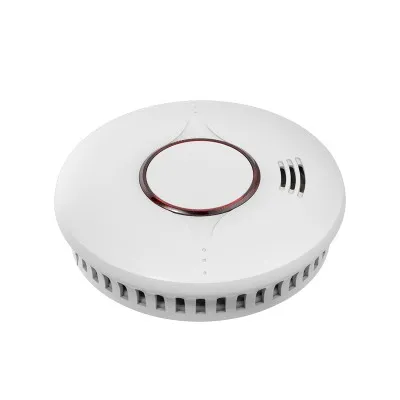


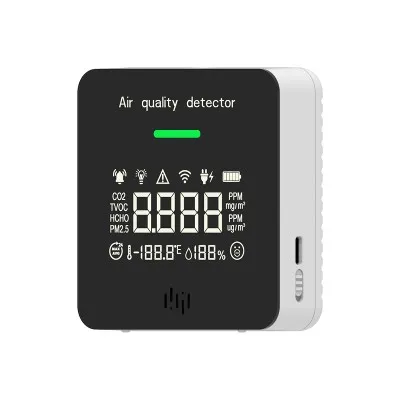


As a leading supplier of heat detectors with cable, I often encounter inquiries from customers about the suitability of our products for outdoor use. This is a crucial question, as the environmental conditions outdoors can be significantly different from those indoors, and these differences can have a substantial impact on the performance and longevity of heat detectors. In this blog post, I will delve into the factors to consider when using a heat detector with cable in outdoor environments and provide insights based on our extensive experience in the industry.
Understanding the Function of a Heat Detector with Cable
Before discussing its outdoor application, it's essential to understand how a heat detector with cable works. These devices are designed to detect an increase in temperature beyond a pre - set threshold. When the temperature rises to this critical level, the detector triggers an alarm, which can be used to alert occupants or trigger other safety systems. The cable in a heat detector serves to transmit the detected signal to a control panel or other monitoring device, ensuring that the information is relayed in a timely and accurate manner.
Factors Affecting the Use of Heat Detectors with Cable Outdoors
Weather Conditions
One of the most significant challenges of using heat detectors with cable outdoors is the exposure to various weather conditions. Rain, snow, and high humidity can cause corrosion of the cable and the detector itself. Moisture can seep into the electrical components, leading to short - circuits or inaccurate readings. For example, if water enters the connection points of the cable, it can disrupt the electrical signal and render the detector ineffective.
Extreme temperatures can also pose a problem. In very cold climates, the cable may become brittle, increasing the risk of breakage. On the other hand, in hot and sunny environments, the cable may expand, and the insulation may degrade over time. High winds can also cause physical damage to the detector and the cable, especially if they are not properly secured.
Dust and Debris
Outdoor areas are often exposed to dust, dirt, and debris. These particles can accumulate on the surface of the heat detector, blocking the sensors and preventing them from accurately detecting temperature changes. For instance, a thick layer of dust on the detector's sensing element can act as an insulator, delaying or preventing the detection of a heat source.
Vandalism and Physical Damage
In outdoor settings, heat detectors with cable are more vulnerable to vandalism and accidental physical damage. People may tamper with the detector or the cable, either intentionally or accidentally. Additionally, animals may chew on the cable, causing it to malfunction.
Solutions for Using Heat Detectors with Cable Outdoors
Weatherproofing
To protect the heat detector with cable from weather conditions, it is essential to use weatherproof enclosures. These enclosures are designed to keep out rain, snow, and moisture while allowing the detector to function properly. They are typically made of materials such as stainless steel or high - quality plastic, which are resistant to corrosion.
Proper cable management is also crucial. Using waterproof cable glands and sealing the cable connections can prevent water from entering the electrical components. Additionally, routing the cable in a protected area, such as inside a conduit, can further safeguard it from the elements.


Regular Maintenance
Regular maintenance is necessary to ensure the continued performance of heat detectors with cable in outdoor environments. This includes cleaning the detector to remove dust and debris, inspecting the cable for signs of damage, and checking the connections for tightness. By performing routine maintenance, any potential issues can be identified and addressed before they lead to a complete failure of the detector.
Impact - Resistant Design
To protect against vandalism and physical damage, heat detectors with cable can be designed with impact - resistant materials. For example, some detectors are housed in rugged casings that can withstand minor impacts. Additionally, installing the detector in a location that is less accessible to the public can reduce the risk of vandalism.
Suitable Applications of Heat Detectors with Cable Outdoors
Despite the challenges, there are several outdoor applications where heat detectors with cable can be effectively used.
Industrial Facilities
In industrial outdoor areas, such as oil refineries, chemical plants, and power generation facilities, heat detectors with cable can play a crucial role in fire safety. These areas are often exposed to high - temperature processes and potential fire hazards. By installing heat detectors with cable in strategic locations, any abnormal temperature rise can be quickly detected, allowing for prompt action to be taken to prevent a fire from spreading.
Warehouses and Storage Yards
Warehouses and storage yards are also suitable locations for heat detectors with cable. These areas may store flammable materials, and a fire can spread rapidly if not detected early. The cable - connected heat detectors can be integrated with the overall fire alarm system, providing reliable protection for the stored goods and the facility.
Parking Garages
Parking garages can benefit from the installation of heat detectors with cable. The presence of vehicles and the potential for electrical faults or fuel leaks make these areas prone to fires. Heat detectors can detect the initial stages of a fire, allowing for evacuation and firefighting efforts to be initiated in a timely manner.
Our Product Offerings
As a supplier of heat detectors with cable, we offer a range of products that are suitable for outdoor use. Our BSI Wireless Heat Detector is designed with advanced technology to ensure accurate temperature detection even in challenging outdoor environments. It features a weatherproof enclosure and a reliable wireless connection, making it easy to install and maintain.
Our 240V Heat Detector is another popular choice for outdoor applications. It provides a high - level of sensitivity and can be easily integrated with existing fire alarm systems. The 240V power supply ensures a stable and reliable operation, even in areas with fluctuating power conditions.
For those looking for a cost - effective solution, our AC Power Heat Alarm is an excellent option. It offers reliable heat detection and is designed to withstand the rigors of outdoor use.
Conclusion
In conclusion, while using a heat detector with cable in outdoor environments presents several challenges, it is possible with the right precautions and product selection. By considering the factors such as weather conditions, dust and debris, and physical damage, and implementing appropriate solutions such as weatherproofing, regular maintenance, and impact - resistant design, heat detectors with cable can provide reliable fire protection in outdoor settings.
If you are interested in learning more about our heat detectors with cable or are considering a purchase for your outdoor project, we encourage you to contact us. Our team of experts is ready to assist you in selecting the most suitable product for your specific needs and to provide you with all the necessary support for installation and maintenance.
References
- Fire Protection Handbook, National Fire Protection Association
- Standards for Heat Detectors, International Electrotechnical Commission


