

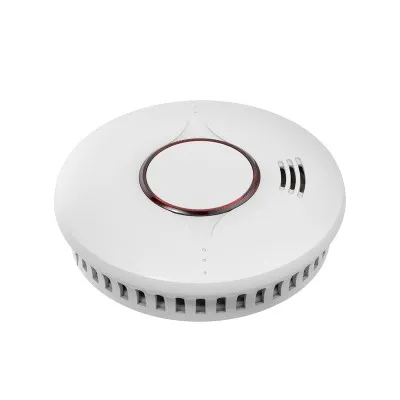




As a seasoned supplier of smoke detectors, I've received numerous inquiries from boat owners about the feasibility of using smoke detectors on their vessels. This question is not only crucial for the safety of boat occupants but also for protecting the valuable investment that a boat represents. In this blog post, I'll delve into the technical aspects, legal requirements, and practical considerations of using smoke detectors on boats.
Technical Suitability of Smoke Detectors for Boats
Environmental Challenges
Boats operate in a unique environment that presents several challenges for smoke detectors. The marine environment is characterized by high humidity, saltwater exposure, and constant vibrations. These factors can significantly impact the performance and lifespan of a smoke detector.
Most standard smoke detectors are designed for indoor use in residential or commercial buildings, where the environment is relatively stable. High humidity can cause moisture to accumulate inside the detector, leading to false alarms or even damage to the internal components. Saltwater corrosion is another major concern, as it can degrade the metal parts of the detector and affect its functionality.
However, there are specialized marine - grade smoke detectors available that are designed to withstand these harsh conditions. These detectors are typically enclosed in a waterproof or water - resistant housing and are treated to resist corrosion. They are also engineered to be more tolerant of vibrations, which are common on boats due to the engine operation and movement on the water.
Power Supply Considerations
Power supply is another important factor to consider when using a smoke detector on a boat. Boats have different power systems compared to land - based structures. They may have a 12V DC electrical system, which is common on smaller boats, or a 24V DC or even 110/240V AC system on larger vessels.
Some smoke detectors are designed to operate on a 12V DC power supply, which makes them suitable for direct connection to a boat's electrical system. These detectors can be powered continuously as long as the boat's power system is functioning. However, it's also important to have a backup power source in case of a power outage. Many marine - grade smoke detectors come with a built - in battery backup, which ensures that the detector will continue to function even if the main power supply fails.
For boats with an AC power system, there are options like the 240V Smoke Detector With Battery and AC Power Optical Smoke Detector. These detectors can be connected to the boat's AC power grid and also have a battery backup for added reliability.
Detection Technology
There are two main types of smoke detection technology: ionization and photoelectric. Ionization smoke detectors are more sensitive to fast - flaming fires, while photoelectric smoke detectors are better at detecting smoldering fires.


On boats, both types of fires can occur. For example, a short - circuit in the electrical system can lead to a fast - flaming fire, while a smoldering fire can start from a neglected cigarette or an overheated appliance. Therefore, it's advisable to use a dual - sensor smoke detector that combines both ionization and photoelectric technologies. This ensures comprehensive fire detection and provides an early warning in different fire scenarios.
The Built - in Photoeletric Battery Wireless Smoke Alarm is an example of a detector that uses photoelectric technology, which is well - suited for detecting smoldering fires commonly found on boats.
Legal Requirements for Smoke Detectors on Boats
International and National Regulations
The legal requirements for smoke detectors on boats vary from country to country and also depend on the size and type of the boat. In many countries, there are specific regulations regarding fire safety equipment on boats, including the installation of smoke detectors.
For example, in the United States, the Coast Guard has regulations for certain types of vessels. Larger boats, especially those used for commercial purposes, are often required to have smoke detectors installed in specific areas, such as sleeping quarters and engine rooms. These regulations are in place to ensure the safety of passengers and crew.
In the European Union, the Recreational Craft Directive sets out safety requirements for boats, which may include the installation of fire detection devices. It's important for boat owners to familiarize themselves with the local regulations to ensure compliance.
Insurance Considerations
Even if there are no strict legal requirements in a particular area, having a smoke detector on a boat can have significant insurance benefits. Insurance companies often view the installation of smoke detectors as a sign of responsible boat ownership and may offer lower premiums as a result. In the event of a fire, a properly functioning smoke detector can also help to minimize the damage and may increase the likelihood of a successful insurance claim.
Practical Installation and Placement of Smoke Detectors on Boats
Installation
Installing a smoke detector on a boat requires careful planning. It's important to choose a location that is easily accessible for testing and maintenance but also in an area where it can effectively detect smoke.
Most marine - grade smoke detectors come with detailed installation instructions. The detector should be mounted securely to prevent it from being dislodged by vibrations. It's also important to ensure that the wiring is properly connected and protected from moisture and mechanical damage.
Placement
The placement of smoke detectors on a boat is crucial for their effectiveness. They should be installed in areas where smoke is likely to accumulate, such as near sleeping areas, the galley (kitchen area), and the engine room.
In sleeping areas, a smoke detector should be installed on the ceiling or high on the wall to ensure that it can detect smoke early. In the galley, it should be placed away from the cooking area to avoid false alarms caused by cooking fumes. In the engine room, a smoke detector can help to detect fires caused by engine malfunctions or electrical problems.
Maintenance and Testing of Smoke Detectors on Boats
Regular Maintenance
Regular maintenance is essential to ensure the proper functioning of smoke detectors on boats. This includes cleaning the detector periodically to remove any dust or debris that may accumulate on the sensors. It's also important to check the battery (if applicable) and replace it as needed.
Testing
Smoke detectors should be tested regularly, at least once a month. Most detectors have a test button that can be pressed to check if the alarm is working. In addition, a more comprehensive test can be performed using a smoke detector test spray, which simulates the presence of smoke.
Conclusion
In conclusion, a smoke detector can and should be used on a boat. While there are challenges associated with the marine environment, specialized marine - grade smoke detectors are available to overcome these issues. The legal requirements and insurance benefits also make the installation of smoke detectors a wise choice for boat owners.
As a smoke detector supplier, I am committed to providing high - quality, reliable smoke detection solutions for boats. If you are a boat owner or involved in the boating industry and are interested in purchasing smoke detectors for your vessels, I encourage you to contact me for more information and to discuss your specific needs. We can work together to ensure that your boat is equipped with the best possible fire detection system for your safety and peace of mind.
References
- "Fire Safety on Boats: A Guide for Owners", National Fire Protection Association
- "Marine Safety Regulations", United States Coast Guard
- "Recreational Craft Directive", European Union


