

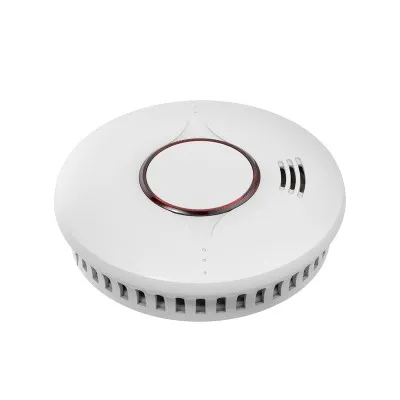


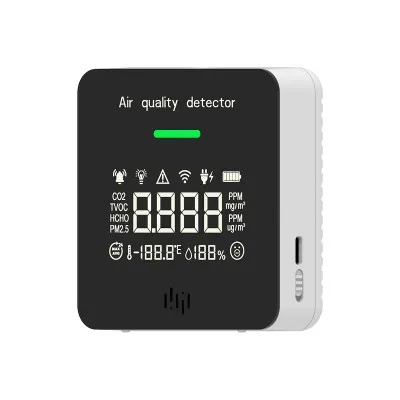


Carbon monoxide (CO) is a colorless, odorless, and tasteless gas that can be extremely dangerous, even fatal, when inhaled in high concentrations. As a supplier of carbon monoxide detectors, I understand the critical role these devices play in safeguarding lives and property. One of the most important aspects of a carbon monoxide detector is its sensitivity, which determines how effectively it can detect the presence of this deadly gas. In this blog post, I will delve into the concept of sensitivity in carbon monoxide detectors, explain why it matters, and discuss how our products are designed to offer high - level sensitivity.
Understanding Sensitivity in Carbon Monoxide Detectors
Sensitivity in a carbon monoxide detector refers to its ability to detect even small amounts of carbon monoxide in the air. It is typically measured in parts per million (ppm) of CO in the atmosphere. A more sensitive detector can pick up lower concentrations of carbon monoxide earlier, providing more time for occupants to take action and evacuate the premises if necessary.
The human body starts to experience the effects of carbon monoxide poisoning at relatively low levels. For example, exposure to 35 ppm of CO for 8 hours can cause mild headaches, while exposure to 200 ppm for 2 - 3 hours can lead to severe headaches, fatigue, and nausea. At 800 ppm, unconsciousness can occur within 45 minutes, and death can follow within 2 - 3 hours. Therefore, a sensitive carbon monoxide detector is essential to detect CO before it reaches dangerous levels.
Factors Affecting the Sensitivity of Carbon Monoxide Detectors
Several factors can influence the sensitivity of a carbon monoxide detector:
- Sensor Technology: Different types of sensors are used in carbon monoxide detectors, each with its own level of sensitivity. Electrochemical sensors are among the most common and sensitive types. They work by detecting the chemical reaction that occurs when carbon monoxide comes into contact with an electrode within the sensor. This reaction generates an electrical current, which is proportional to the concentration of CO in the air. Our New Version CO Alarm utilizes advanced electrochemical sensor technology, ensuring high sensitivity and accurate detection.
- Calibration: Proper calibration is crucial for maintaining the sensitivity of a carbon monoxide detector. Over time, sensors can drift, which means their readings may become inaccurate. Regular calibration ensures that the detector is accurately measuring the concentration of carbon monoxide in the air. Our detectors are factory - calibrated to provide reliable performance, and we also offer calibration services to ensure long - term accuracy.
- Environmental Conditions: Environmental factors such as temperature, humidity, and air flow can affect the sensitivity of a carbon monoxide detector. Extreme temperatures or high humidity levels can cause the sensor to degrade or produce false readings. Our detectors are designed to operate effectively in a wide range of environmental conditions, minimizing the impact of these factors on sensitivity.
Why Sensitivity Matters
The sensitivity of a carbon monoxide detector can mean the difference between life and death. A more sensitive detector can detect carbon monoxide at lower concentrations, giving occupants more time to react. This is especially important in situations where carbon monoxide is being produced slowly, such as from a malfunctioning heating system or a blocked chimney.
In addition to saving lives, a sensitive carbon monoxide detector can also help prevent property damage. Carbon monoxide can cause damage to electronic devices, appliances, and building materials over time. By detecting CO early, the source of the problem can be identified and fixed, preventing further damage.
Our Products' Sensitivity Features
As a leading supplier of carbon monoxide detectors, we are committed to providing products with the highest level of sensitivity. Our 10 Years Carbon Monoxide Detector is designed to offer continuous protection for up to 10 years. It features a highly sensitive electrochemical sensor that can detect carbon monoxide at levels as low as 5 ppm.
This detector also has a built - in self - test function that checks the sensitivity of the sensor regularly. If the sensitivity falls below an acceptable level, the detector will alert the user, indicating that it may need to be replaced or serviced.


In addition to high sensitivity, our detectors are equipped with advanced features such as audible and visual alarms, digital displays that show the current CO concentration, and remote monitoring capabilities. These features ensure that users are quickly notified of the presence of carbon monoxide and can take appropriate action.
Importance of Regular Testing and Maintenance
Even the most sensitive carbon monoxide detector needs to be properly maintained to ensure its continued effectiveness. Regular testing is essential to verify that the detector is working correctly and that its sensitivity has not been compromised.
Users should test their carbon monoxide detectors at least once a month using the test button on the device. In addition, it is recommended to replace the detector every 5 - 7 years, depending on the manufacturer's instructions. This is because the sensitivity of the sensor can gradually decline over time, even with proper maintenance.
How to Choose a Sensitive Carbon Monoxide Detector
When choosing a carbon monoxide detector, it is important to consider its sensitivity. Look for detectors that are certified by recognized organizations such as UL (Underwriters Laboratories) or CSA (Canadian Standards Association). These certifications ensure that the detector meets strict safety and performance standards, including sensitivity requirements.
In addition to sensitivity, consider other factors such as the type of sensor, the presence of additional features (such as digital displays and remote monitoring), and the warranty offered by the manufacturer. Our company offers a wide range of carbon monoxide detectors to meet different needs and budgets, all designed with high sensitivity and reliability in mind.
Conclusion
The sensitivity of a carbon monoxide detector is a critical factor in its ability to protect lives and property. A more sensitive detector can detect carbon monoxide at lower concentrations, providing more time for occupants to take action. As a supplier of carbon monoxide detectors, we are dedicated to providing products with the highest level of sensitivity, advanced features, and reliable performance.
If you are interested in purchasing high - quality carbon monoxide detectors for your home, office, or other facilities, we invite you to contact us for more information. Our team of experts is ready to assist you in choosing the right detector for your needs and to provide any support you may require.
References
- American Lung Association. (2023). Carbon Monoxide Poisoning.
- National Fire Protection Association. (2023). NFPA 72: National Fire Alarm and Signaling Code.
- Underwriters Laboratories. (2023). UL 2034: Single - and Multiple - Station Carbon Monoxide Alarms.


