

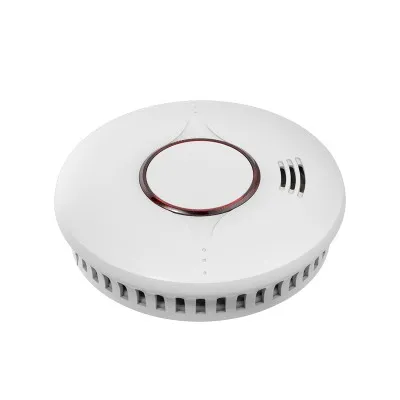


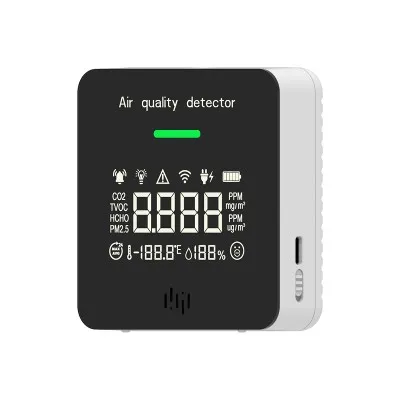


Hey there! I'm a supplier of Wireless Heat Detectors, and I often get asked if these nifty devices can be used in museums. Well, let's dive right into it and find out if they're a good fit for these cultural treasure troves.
First off, let's talk about what a Wireless Heat Detector is. These detectors are designed to sense changes in temperature and send an alert when things start to heat up. Unlike Hard Wired Heat Alarms, which need to be connected to a power source and a network via wires, wireless ones are much more flexible. They can be easily installed in various locations without the hassle of running cables, which is a huge plus in many situations.
Now, museums are unique places. They house priceless artifacts, artworks, and historical items that need to be protected at all costs. Fire is one of the biggest threats to these collections, as it can destroy centuries - old treasures in a matter of minutes. That's where heat detectors come in.
One of the main advantages of using Wireless Heat Detectors in museums is the ease of installation. Museums often have complex layouts with historical architecture. Drilling holes and running wires for hard - wired detectors can damage the building's structure and the artifacts themselves. With wireless detectors, you can place them in strategic locations without causing any harm. You can install them on delicate walls, in display cases, or even in hard - to - reach areas without worrying about causing any structural damage.
Another benefit is the flexibility they offer. Museums frequently change their exhibitions. New displays are set up, and old ones are taken down. Wireless heat detectors can be easily moved and re - positioned as needed. You don't have to go through the whole process of rewiring and reinstalling a hard - wired system every time there's a change in the museum's layout.
But it's not all sunshine and rainbows. There are some challenges to using wireless heat detectors in museums as well. One of the main concerns is reliability. Museums are often large buildings with thick walls and multiple floors. These can interfere with the wireless signal, causing the detectors to malfunction or fail to send an alert. However, modern Intelligent Heat Detector models are equipped with advanced signal - boosting technology and self - diagnostic features. They can adjust their signal strength based on the environment and detect any issues with the connection early on, reducing the risk of false alarms or missed alerts.
Battery life is also a consideration. Wireless detectors rely on batteries, and in a museum setting, it's crucial to ensure that they don't run out of power at a critical moment. Most high - quality wireless heat detectors have long - lasting batteries that can last for several years. Additionally, some models come with low - battery alerts, so you can replace the batteries in a timely manner.
Security is another aspect. Museums need to protect their collections from all kinds of threats, including unauthorized access and tampering. Wireless heat detectors should be designed with security features such as encryption and password protection. This ensures that the data transmitted by the detectors is secure and that only authorized personnel can access and control the system.
Now, let's talk about the specific requirements of museums when it comes to heat detection. Museums usually have strict environmental control systems in place to maintain the right temperature and humidity levels for the preservation of their collections. Heat detectors need to be able to work in harmony with these systems. They should be sensitive enough to detect abnormal temperature rises but not so sensitive that they are triggered by normal fluctuations in the museum's environment.
In addition, museums often have a large number of visitors. The detectors should be designed in a way that they are not easily damaged by accidental bumps or knocks. They should also be aesthetically pleasing, as they need to blend in with the museum's decor without detracting from the overall experience of the visitors.
So, can a wireless heat detector be used in museums? The answer is yes, but with some careful planning and consideration. If you choose the right model with advanced features such as reliable signal strength, long - lasting batteries, and strong security measures, wireless heat detectors can be an excellent addition to a museum's fire protection system.
If you're a museum curator, manager, or someone involved in the security and preservation of museum collections, and you're interested in learning more about how our Wireless Heat Detectors can meet your specific needs, I'd love to have a chat with you. We can discuss the best solutions for your museum, taking into account its unique layout, requirements, and budget. Don't hesitate to reach out and start a conversation about how we can work together to protect your precious cultural heritage.
References


- Fire Protection Handbook, National Fire Protection Association
- Museum Environment Handbook, Andrew C. Ware


