

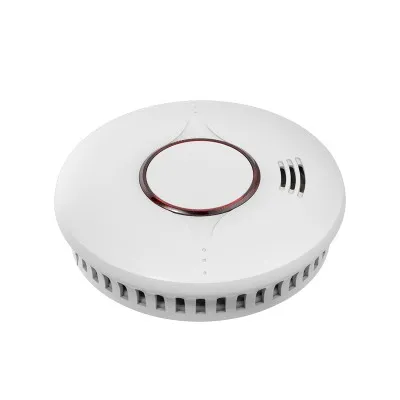


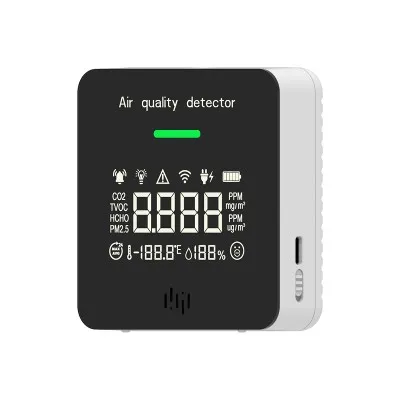


As a supplier of Wireless Heat Detectors, I often encounter questions from clients about the suitability of our products for various environments. One question that comes up frequently is whether a wireless heat detector can be used in theaters. In this blog post, I'll delve into this topic, exploring the feasibility, benefits, and considerations of using wireless heat detectors in theaters.
The Need for Heat Detection in Theaters
Theaters are unique spaces filled with a combination of elements that pose significant fire risks. The stage area is often equipped with a large number of electrical lighting fixtures, sound systems, and special effects equipment, all of which can generate heat and potentially cause electrical fires. The auditorium, on the other hand, is filled with a large number of people and flammable materials such as curtains, seats, and decorations. In the event of a fire, the consequences can be catastrophic, leading to loss of life and property damage.
Heat detectors play a crucial role in theater safety. They are designed to detect an increase in temperature and trigger an alarm, providing early warning of a potential fire. This early warning can give theater staff and patrons enough time to evacuate the building safely, minimizing the risk of injury and death.
Advantages of Wireless Heat Detectors in Theaters
Easy Installation
One of the primary advantages of wireless heat detectors is their ease of installation. Unlike traditional wired heat detectors, which require extensive wiring and infrastructure, wireless heat detectors can be installed quickly and easily without the need for major renovations. This is particularly beneficial for theaters, which often have complex architectural designs and historical significance. Installing wired detectors in these spaces can be challenging and may require significant disruption to the theater's operations. With wireless heat detectors, the installation process is much simpler and less intrusive, allowing theaters to upgrade their fire safety systems without causing too much inconvenience.
Flexibility
Wireless heat detectors offer greater flexibility in terms of placement. They can be easily moved and repositioned as needed, allowing theaters to adapt their fire detection systems to changing layouts and requirements. For example, if a theater decides to renovate its stage area or add new seating, the wireless heat detectors can be relocated to ensure optimal coverage. This flexibility is not possible with wired detectors, which are fixed in place once installed.
Cost - Effectiveness
In the long run, wireless heat detectors can be more cost - effective than wired detectors. The initial installation cost of wired detectors can be high due to the need for wiring, labor, and infrastructure. Additionally, any changes or expansions to the fire detection system can be expensive and time - consuming. Wireless heat detectors, on the other hand, have a lower initial installation cost and are easier to expand or modify. This makes them a more affordable option for theaters, especially those on a tight budget.


Considerations When Using Wireless Heat Detectors in Theaters
Signal Interference
One of the main challenges of using wireless heat detectors in theaters is the potential for signal interference. Theaters are often filled with a large number of electronic devices, such as lighting systems, sound equipment, and mobile phones, which can interfere with the wireless signal of the heat detectors. To mitigate this risk, it is important to choose wireless heat detectors that operate on a frequency band that is less prone to interference. Additionally, proper placement of the detectors can help reduce the impact of interference. For example, detectors should be installed away from sources of electromagnetic interference, such as large electrical panels and high - power audio equipment.
Battery Life
Wireless heat detectors are powered by batteries, which means that battery life is an important consideration. In a theater environment, it is crucial that the heat detectors are always operational. Regular battery checks and replacements are necessary to ensure that the detectors are functioning properly. Some wireless heat detectors are equipped with low - battery indicators, which can alert theater staff when the batteries need to be replaced. It is also a good idea to choose detectors with long - lasting batteries to minimize the frequency of replacements.
Compatibility with Existing Systems
If a theater already has an existing fire alarm system, it is important to ensure that the wireless heat detectors are compatible with the system. The detectors should be able to communicate effectively with the alarm panel and other components of the system. This may require some integration work, such as programming the alarm panel to recognize the wireless signals from the heat detectors.
Our Wireless Heat Detector Solutions
At our company, we offer a range of high - quality Wireless Heat Detector solutions that are suitable for theaters. Our wireless heat detectors are designed to provide reliable and accurate fire detection, even in challenging environments. They are equipped with advanced sensors that can detect changes in temperature quickly and trigger an alarm in a timely manner.
In addition to our wireless heat detectors, we also offer Mains Power Heat Detector With Battery and Intelligent Heat Detector options. The mains power heat detector with battery provides a backup power source in case of a power outage, ensuring continuous operation of the detector. The intelligent heat detector uses advanced algorithms to analyze temperature data and can distinguish between normal temperature fluctuations and potential fire situations, reducing false alarms.
Conclusion
In conclusion, wireless heat detectors can be a viable option for theaters. They offer several advantages, including easy installation, flexibility, and cost - effectiveness. However, it is important to consider factors such as signal interference, battery life, and compatibility with existing systems when using these detectors in a theater environment.
If you are a theater owner or manager looking to upgrade your fire safety system, we would be happy to discuss your needs and provide you with a customized solution. Our team of experts can help you choose the right heat detectors for your theater and ensure a smooth installation process. Contact us today to start the procurement discussion and take the first step towards enhancing the fire safety of your theater.
References
- National Fire Protection Association (NFPA). NFPA 72: National Fire Alarm and Signaling Code.
- International Building Code (IBC). Requirements for fire protection systems in commercial buildings.
- Fire Protection Research Foundation. Research on the effectiveness of wireless fire detection systems.


