





The use of intelligent heat detectors in parking garages has been a topic of increasing interest in recent years. As a leading supplier of intelligent heat detectors, we often receive inquiries regarding the suitability of our products for parking garage applications. In this article, we will explore the feasibility of using intelligent heat detectors in parking garages, considering various aspects such as the environment of parking garages, the functionality of intelligent heat detectors, and relevant industry standards.
The Environment of Parking Garages
Parking garages present a unique set of environmental challenges. They are typically large, open - air or semi - enclosed spaces, subject to a wide range of temperature fluctuations. The presence of vehicles also means there can be exhaust fumes, dust, and occasional spills.
Temperature variations in parking garages can be significant. During the day, especially in sunny locations, the temperature inside the garage can rise substantially. At night or in colder seasons, it can drop considerably. These temperature changes need to be taken into account when selecting a heat detection system. Additionally, the exhaust fumes from vehicles contain various chemicals, and the dust from the movement of cars can accumulate over time. A detector used in such an environment must be able to withstand these conditions without false alarms.
Functionality of Intelligent Heat Detectors
Intelligent heat detectors are designed to offer reliable and accurate detection of heat. They use advanced sensors and algorithms to distinguish between normal environmental temperature changes and the heat generated by a fire.
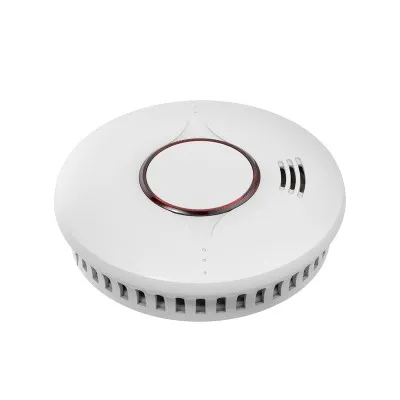
Our company offers a range of intelligent heat detectors, including Wireless Heat Detector, Mains Power Heat Detector With Battery, and Hard Wired Heat Alarms.
The wireless heat detector provides flexibility in installation, making it easier to retrofit into existing parking garages without the need for extensive wiring. It can communicate wirelessly with a central monitoring system, allowing for real - time monitoring of the heat levels in different areas of the garage.
The mains power heat detector with battery backup ensures continuous operation even in the event of a power outage. This is crucial in a parking garage where fire safety cannot be compromised due to electrical issues.
Hard - wired heat alarms are known for their reliability and stability. They are directly connected to the electrical system and can provide a more consistent performance, which is ideal for large - scale parking garage installations.
Advantages of Using Intelligent Heat Detectors in Parking Garages
- Accurate Detection: Intelligent heat detectors are able to accurately detect the onset of a fire based on the heat signature. They can distinguish between normal temperature increases due to sunlight or vehicle exhaust and the abnormal heat generated by a fire, reducing the likelihood of false alarms.
- Quick Response: In the event of a fire, intelligent heat detectors can quickly detect the rising temperature and send an alarm signal. This rapid response can help in evacuating the parking garage and initiating fire - fighting measures in a timely manner.
- Remote Monitoring: Many of our intelligent heat detectors can be connected to a remote monitoring system. This allows security personnel or facility managers to monitor the status of the heat detectors in the parking garage from a central location, even if they are not on - site.
- Compliance with Standards: Using intelligent heat detectors can help parking garage owners comply with relevant fire safety standards and regulations. These standards often require the installation of reliable fire detection systems in parking facilities.
Challenges in Using Intelligent Heat Detectors in Parking Garages
- False Alarms: As mentioned earlier, the large temperature variations in parking garages can potentially trigger false alarms. To address this issue, our intelligent heat detectors are equipped with advanced algorithms that take into account the rate of temperature change and the absolute temperature level.
- Maintenance: The presence of dust and exhaust fumes in parking garages can affect the performance of the heat detectors over time. Regular maintenance, including cleaning the sensors, is required to ensure the continued reliable operation of the detectors.
- Coverage Area: Parking garages can be large and have complex layouts. Ensuring adequate coverage with an appropriate number of heat detectors is essential. Our technical team can provide solutions for determining the optimal placement and number of detectors based on the specific layout and size of the parking garage.
Industry Standards and Regulations
There are several industry standards and regulations that govern the use of fire detection systems in parking garages. For example, the National Fire Protection Association (NFPA) has specific guidelines regarding the installation and performance of heat detectors in commercial and public parking facilities.
Compliance with these standards is not only a legal requirement but also a matter of safety. Our intelligent heat detectors are designed and tested to meet or exceed these industry standards, providing parking garage owners with peace of mind knowing that their fire detection system is reliable and compliant.
Case Studies
Let's look at some real - world examples of using intelligent heat detectors in parking garages. In a large commercial parking garage in a city center, our wireless heat detectors were installed. The garage faced issues with false alarms from the previous detection system due to temperature fluctuations. After the installation of our intelligent wireless heat detectors, the number of false alarms was significantly reduced. The remote monitoring feature also allowed the facility manager to keep a close eye on the heat levels in different sections of the garage.
In another example, a multi - level residential parking garage installed our mains power heat detectors with battery backup. During a power outage in the area, the detectors continued to operate, ensuring that the fire safety of the garage was not compromised.
Recommendations for Using Intelligent Heat Detectors in Parking Garages
- Conduct a Site Assessment: Before installing intelligent heat detectors, it is essential to conduct a thorough site assessment of the parking garage. This includes evaluating the size, layout, ventilation, and expected temperature variations.
- Choose the Right Detectors: Based on the site assessment, choose the appropriate type of intelligent heat detectors. For example, if the parking garage is an existing structure with limited wiring options, wireless heat detectors may be a suitable choice.
- Proper Installation and Calibration: Ensure that the heat detectors are installed correctly and calibrated according to the manufacturer's instructions. Improper installation can lead to inaccurate detection and false alarms.
- Regular Maintenance: Establish a regular maintenance schedule to clean the detectors, check the battery levels (if applicable), and test the functionality of the system.
Conclusion
In conclusion, intelligent heat detectors can indeed be used effectively in parking garages. Despite the challenges posed by the unique environment of parking garages, the advantages of accurate detection, quick response, remote monitoring, and compliance with standards make them a valuable addition to any parking garage fire safety system.
If you are interested in learning more about our intelligent heat detectors or are considering purchasing them for your parking garage, please feel free to contact us to start a purchasing negotiation. We are committed to providing high - quality products and professional services to meet your fire safety needs.


References
- National Fire Protection Association (NFPA) codes and standards related to fire detection in parking facilities.
- Industry research reports on the use of intelligent heat detectors in commercial and public buildings.


