

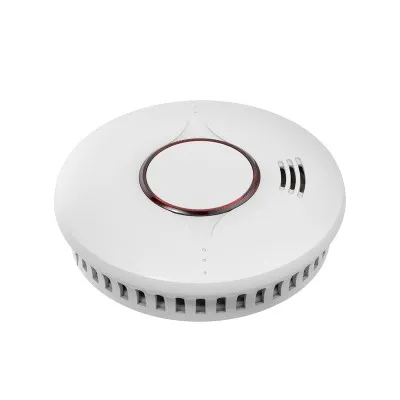




As a leading provider of smart smoke detectors, I often receive questions from customers about the suitability of our products for different environments. One common query is whether smart smoke detectors can be used in garages. In this blog post, I'll explore this topic in detail and provide insights to help you make an informed decision.
Understanding the Garage Environment
Garages are unique spaces. They can be used for various purposes, such as parking vehicles, storing tools, chemicals, and other flammable materials. These activities, combined with the typical structure of a garage, create a set of challenges for smoke detection.
- Vehicle Exhaust: Cars, motorcycles, and other vehicles emit exhaust gases that contain various chemicals and particles. These can potentially trigger false alarms in smoke detectors, especially if the detector is not designed to distinguish between harmless particles and actual smoke from a fire.
- Dust and Debris: Garages tend to accumulate dust, dirt, and debris over time. Regular activities like sweeping, moving items, or using power tools can stir up these particles, which might also cause false alarms.
- Temperature and Humidity Fluctuations: Garages are often less insulated than the main living areas of a home. They can experience significant temperature and humidity changes throughout the day and night, as well as with the seasons. Extreme conditions can affect the performance of smoke detectors.
- Flammable Materials: Many garages store flammable substances such as gasoline, paint, paint thinner, and propane. These materials pose a high fire risk, making effective smoke detection crucial.
Types of Smart Smoke Detectors
Before discussing their use in garages, it's important to understand the different types of smart smoke detectors available.
- Ionization Smoke Detectors: These detectors use a small amount of radioactive material to ionize the air inside the detector chamber. When smoke enters the chamber, it disrupts the ionization process, triggering the alarm. Ionization detectors are generally more sensitive to fast - flaming fires.
- Photoelectric Smoke Detectors: Photoelectric detectors use a light source and a light sensor. When smoke enters the chamber, it scatters the light, causing it to hit the sensor and trigger the alarm. They are more sensitive to smoldering fires.
- Dual - Sensor Smoke Detectors: These combine the features of both ionization and photoelectric detectors, providing a more comprehensive detection solution for different types of fires.
Advantages of Using Smart Smoke Detectors in Garages
Despite the challenges, there are several compelling reasons to use smart smoke detectors in garages.
- Early Fire Detection: As garages often store flammable materials, early detection of a fire can be the difference between a minor incident and a major disaster. Smart smoke detectors can quickly alert you to the presence of smoke, giving you more time to respond.
- Remote Monitoring: Many smart smoke detectors can be connected to your smartphone or other smart devices via Wi - Fi or Bluetooth. This means that even if you're not at home, you can receive instant notifications if there's smoke detected in your garage. For example, our Wireless Interlinked Smoke Alarms allow you to stay connected and informed at all times.
- Interlinking Capabilities: Smart smoke detectors can be interlinked with other smoke detectors in your home. This means that if a fire starts in the garage, all the connected detectors will sound an alarm, alerting everyone in the house, regardless of where they are located. Check out our Interlinked Smoke Alarms for seamless integration.
Considerations for Using Smart Smoke Detectors in Garages
While the benefits are clear, there are some key considerations when installing smart smoke detectors in garages.


- False Alarm Prevention: To minimize false alarms caused by vehicle exhaust, dust, and debris, choose a smart smoke detector with advanced filtering and false - alarm prevention technology. Our Smart Fire Alarm is designed to accurately distinguish between real smoke and common nuisance factors.
- Mounting Location: Proper mounting is crucial. Ideally, the smoke detector should be installed on the ceiling or high on the wall, away from sources of dust, direct sunlight, and areas where vehicles are parked. This helps to ensure that it can detect smoke effectively without being influenced by normal garage activities.
- Environmental Conditions: Make sure the smoke detector is rated for the temperature and humidity range typically found in your garage. Extreme temperatures or high humidity can affect the performance and lifespan of the detector.
Installation and Maintenance
Proper installation and regular maintenance are essential for the effective operation of smart smoke detectors in garages.
- Installation: Follow the manufacturer's instructions carefully when installing the smoke detector. If you're not comfortable with DIY installation, consider hiring a professional electrician. Ensure that the detector is securely mounted and that all wiring or connections are made correctly.
- Maintenance: Regularly test the smoke detector to ensure that it is functioning properly. Dust and clean the detector as recommended by the manufacturer to prevent blockages that could affect its performance. Replace the batteries (if applicable) and check for any software updates to keep the detector up - to - date.
Conclusion
In conclusion, smart smoke detectors can be effectively used in garages, but it's important to choose the right product and take appropriate precautions. The high fire risk associated with garages, combined with the benefits of early detection and remote monitoring, makes smart smoke detectors a valuable addition to any garage safety plan.
If you're interested in learning more about our smart smoke detectors or are considering purchasing them for your garage or other areas of your home, we'd be happy to assist you. Our team of experts can provide personalized advice and help you select the best solution for your specific needs. Contact us today to start the conversation about enhancing your fire safety.
References
- National Fire Protection Association (NFPA). Fire Alarm and Signaling Systems Handbook.
- Consumer Product Safety Commission (CPSC). Smoke Alarm Buying Guide.


