





Hey there! I'm a supplier of Carbon Monoxide Detectors, and I often get asked this question: "Do I need a carbon monoxide detector if I have an electric stove?" It's a valid question, and I'm here to break it down for you.
First off, let's talk about what carbon monoxide (CO) is. Carbon monoxide is a colorless, odorless, and tasteless gas that can be extremely dangerous. It's produced when fuels like gas, oil, coal, and wood don't burn completely. When you inhale carbon monoxide, it replaces the oxygen in your bloodstream, which can lead to headaches, dizziness, nausea, confusion, and in severe cases, even death. That's why it's so important to have a way to detect it in your home.
Now, you might think that since you have an electric stove, you're in the clear. After all, electric stoves don't burn fuel, so they don't produce carbon monoxide, right? Well, it's not that simple. While it's true that electric stoves themselves don't generate carbon monoxide, there are other sources in your home that could.
For example, if you have a gas furnace, water heater, or dryer, these appliances can produce carbon monoxide if they're not working properly. A cracked heat exchanger in a furnace, for instance, can allow carbon monoxide to leak into your home. And even if you don't have any gas appliances, you could still be at risk if you have a fireplace, wood - burning stove, or a generator that you use during power outages. These can all produce carbon monoxide when the fuel doesn't burn completely.
Another thing to consider is that your home might share a ventilation system with other units if you live in an apartment building. If a neighbor has a faulty gas appliance, the carbon monoxide could potentially seep into your place through the vents.
So, even with an electric stove, having a carbon monoxide detector is a smart move. It's like having an extra layer of protection for you and your family. And here's the deal, I offer a great range of carbon monoxide detectors that can help keep you safe.
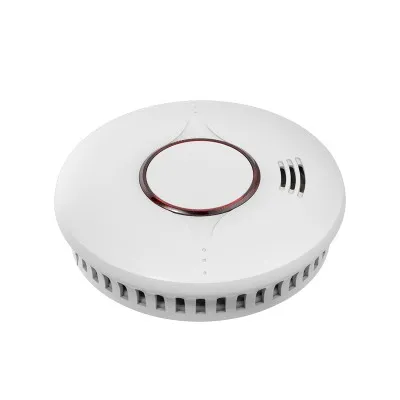
One of our popular products is the CO Alarm. This detector is battery - operated, which means you don't have to worry about it losing power during an electrical outage. It's easy to install and has a loud alarm that will alert you if carbon monoxide levels in your home start to rise.
If you have a basement in your home, you might want to consider the Carbon Monoxide Detector In Basement. Basements can be a breeding ground for carbon monoxide if there are gas appliances or a sump pump that uses a combustion engine. This detector is specifically designed to be placed in basements and can provide reliable protection.
And for those who want a long - lasting solution, we have the Lithium Battery Operated CO Detector. Lithium batteries last longer than traditional batteries, so you won't have to replace them as often. This detector is also very sensitive and can quickly detect even low levels of carbon monoxide.
Now, let's talk about where to place these detectors. It's recommended to have at least one carbon monoxide detector on each floor of your home, especially near bedrooms. This way, you'll be alerted if there's a problem while you're sleeping. You should also place detectors near any gas - powered appliances or areas where carbon monoxide could potentially build up.
When it comes to maintenance, it's important to test your carbon monoxide detector regularly. Most detectors have a test button that you can press to make sure the alarm is working. You should also replace the batteries according to the manufacturer's instructions. And if your detector is more than 5 - 7 years old, it's a good idea to replace it, as the sensors can start to lose their effectiveness over time.
I know some people might think that carbon monoxide detectors are an unnecessary expense, but when you think about the potential consequences of not having one, it's a small price to pay for peace of mind. You wouldn't drive a car without a seatbelt, right? Well, having a carbon monoxide detector is like having a seatbelt for your home.
If you're interested in learning more about our carbon monoxide detectors or if you're ready to make a purchase, I'd love to chat with you. Whether you're a homeowner looking to protect your family or a property manager responsible for multiple units, I can help you find the right detector for your needs. Just reach out, and we can start the conversation about getting you the best carbon monoxide detection solution.


In conclusion, even if you have an electric stove, a carbon monoxide detector is a must - have. It can save your life and the lives of your loved ones by alerting you to the presence of this dangerous gas. Don't take chances with your safety. Invest in a reliable carbon monoxide detector today.
References
- U.S. Consumer Product Safety Commission. (n.d.). Carbon Monoxide Poisoning Prevention.
- Centers for Disease Control and Prevention. (n.d.). Carbon Monoxide Poisoning.


