





In the era of rapid technological advancement, home automation has emerged as a significant trend, transforming the way we interact with our living spaces. As an Electrical Socket supplier, I often encounter questions from customers about the integration of electrical sockets with other home automation devices. This blog aims to explore the feasibility, benefits, and challenges of such integration.
Feasibility of Integrating Electrical Sockets with Home Automation Devices
The short answer is yes, it is entirely feasible to integrate electrical sockets with other home automation devices. Modern electrical sockets are no longer just simple connectors for powering appliances. They have evolved to incorporate smart features that can communicate with other devices in a home automation system.
One of the key technologies enabling this integration is the Internet of Things (IoT). IoT allows devices to connect and exchange data over the internet. Electrical sockets equipped with IoT capabilities can be controlled remotely via a smartphone app or a smart home hub. For example, you can turn on or off a socket, set timers, or monitor the energy consumption of connected appliances.
Moreover, many home automation platforms support the integration of electrical sockets. Popular platforms like Amazon Alexa, Google Home, and Apple HomeKit allow users to control smart sockets using voice commands. This seamless integration enhances the convenience and functionality of a home automation system.
Benefits of Integrating Electrical Sockets with Home Automation Devices
Energy Efficiency
Integrating electrical sockets with home automation devices can significantly improve energy efficiency. Smart sockets can monitor the energy consumption of connected appliances in real-time. Based on this data, users can identify energy-hungry devices and take appropriate measures to reduce their usage. For instance, you can set a schedule to turn off devices that are not in use, such as chargers or standby electronics.
Convenience
One of the most significant advantages of integrating electrical sockets with home automation devices is the convenience it offers. With a smart socket, you can control your appliances from anywhere using your smartphone. Imagine being able to turn on your coffee maker before you even get out of bed or switch off the lights in your living room while you're already in bed. This level of control enhances the comfort and convenience of your daily life.
Home Security
Smart sockets can also contribute to home security. You can program your sockets to turn on and off lights at random intervals when you're away from home. This creates the illusion that someone is home, deterring potential burglars. Additionally, some smart sockets can detect abnormal power usage, which could indicate a problem such as a short circuit or an appliance malfunction.
Challenges of Integrating Electrical Sockets with Home Automation Devices
Compatibility Issues
One of the main challenges of integrating electrical sockets with home automation devices is compatibility. Not all smart sockets are compatible with all home automation platforms. Before purchasing a smart socket, it's essential to ensure that it is compatible with your existing home automation system. Some sockets may require a specific hub or bridge to connect to the home network, which can add to the cost and complexity of the installation.
Security Concerns
As with any IoT device, security is a significant concern when integrating electrical sockets with home automation devices. Smart sockets are connected to the internet, which means they are vulnerable to cyberattacks. Hackers could potentially gain access to your home network through a smart socket and control your appliances or steal your personal information. To mitigate these risks, it's important to choose smart sockets from reputable manufacturers and keep their firmware up to date.
Installation and Setup
Installing and setting up smart sockets can be more complex than traditional sockets. Some smart sockets require professional installation, especially if they need to be hardwired into your electrical system. Additionally, setting up the connection to your home automation system may require some technical knowledge. However, many manufacturers provide detailed instructions and support to help users with the installation and setup process.
Our Product Offerings
As an Electrical Socket supplier, we offer a wide range of Electrical Plugs Sockets that are suitable for integration with home automation devices. Our products are designed with the latest technology and adhere to strict quality standards.
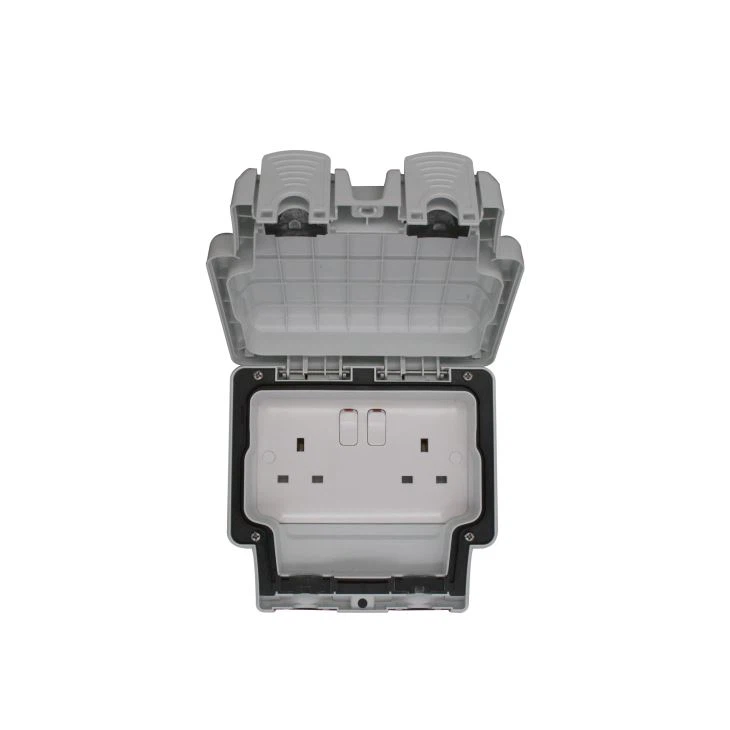
One of our popular products is the IP66 RCD Weatherproof Wall Socket With 2gang BS Socket Switch. This socket is not only weatherproof but also features a Residual Current Device (RCD) for enhanced safety. It can be easily integrated into a home automation system, allowing you to control your outdoor appliances remotely.
We also offer a variety of Electrical Socket options, including smart sockets with IoT capabilities. These sockets can be controlled via a smartphone app or a smart home hub, providing you with the convenience and energy efficiency benefits of home automation.

Conclusion
Integrating electrical sockets with other home automation devices is a feasible and beneficial solution for modern homes. It offers energy efficiency, convenience, and enhanced home security. However, it also comes with some challenges, such as compatibility issues, security concerns, and installation complexity.
As an Electrical Socket supplier, we are committed to providing high-quality products that are suitable for integration with home automation devices. Our products are designed to meet the needs of our customers and provide them with a seamless home automation experience.
If you are interested in integrating electrical sockets with your home automation system, we encourage you to contact us for more information. Our team of experts can help you choose the right products and provide you with professional installation and support services. Let us help you transform your home into a smart and connected living space.
References
- "Home Automation: A Comprehensive Guide." by John Doe.
- "The Internet of Things and Home Automation." by Jane Smith.
- "Energy Efficiency in Home Automation." by Robert Johnson.


