

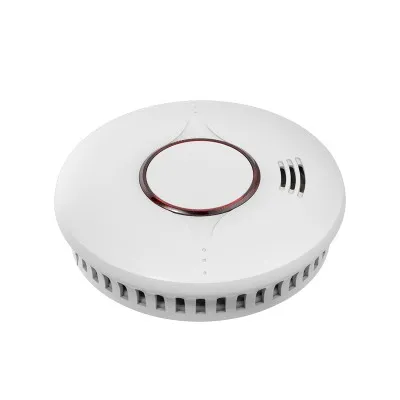


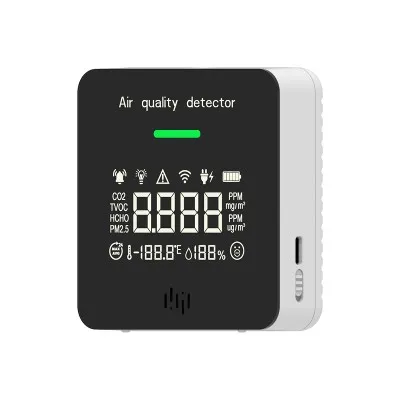


Carbon monoxide (CO) is an odorless, colorless, and tasteless gas that can be extremely dangerous, even fatal, when inhaled in high concentrations. A carbon monoxide detector is a crucial device designed to alert you when the levels of this silent killer reach potentially hazardous levels in your environment. As a carbon monoxide detector supplier, I'm passionate about spreading awareness about these life - saving devices and their importance.
How Carbon Monoxide Forms
Carbon monoxide is produced during the incomplete combustion of carbon - based fuels. Common sources include furnaces, water heaters, gas stoves, fireplaces, and motor vehicles. When there is not enough oxygen present during the burning process, carbon monoxide is generated instead of carbon dioxide. For example, a malfunctioning furnace may not be able to burn fuel efficiently, leading to the release of carbon monoxide into the air of your home.
The Dangers of Carbon Monoxide
Exposure to carbon monoxide can have severe health effects. The gas binds to hemoglobin in the blood more readily than oxygen, forming carboxyhemoglobin. This reduces the blood's ability to carry oxygen to vital organs such as the brain, heart, and lungs. In low concentrations, symptoms of carbon monoxide poisoning may resemble the flu, including headache, dizziness, weakness, nausea, vomiting, chest pain, and confusion. Prolonged exposure or exposure to high levels of carbon monoxide can lead to loss of consciousness, brain damage, and even death.
How a Carbon Monoxide Detector Works
Carbon monoxide detectors use different technologies to detect the presence of the gas. One common type uses a metal oxide semiconductor sensor. When carbon monoxide comes into contact with the sensor, it causes a change in the electrical conductivity of the semiconductor material. The detector then measures this change and triggers an alarm when the carbon monoxide concentration exceeds a pre - set threshold.
Another type is the electrochemical sensor. These sensors contain a chemical electrolyte that reacts with carbon monoxide. The reaction generates an electrical current, and the detector measures this current to determine the concentration of carbon monoxide in the air. Electrochemical sensors are generally more accurate and sensitive than metal oxide semiconductor sensors, especially at low carbon monoxide levels.
Types of Carbon Monoxide Detectors
Battery - Operated Carbon Monoxide Detectors
These are the most common type of carbon monoxide detectors. They are easy to install and can be placed in any area of your home or workplace. Battery - operated detectors provide an independent power source, which is useful in case of a power outage. For instance, the Figaro Carbon Monoxide Alarm is a reliable battery - operated option that offers accurate detection and a loud alarm to alert you in case of an emergency.
Plug - In Carbon Monoxide Detectors
Plug - in detectors are designed to be plugged into an electrical outlet. They usually come with a battery backup in case of a power failure. These detectors are convenient as they do not require frequent battery changes. However, they are limited to areas where there are electrical outlets.
Ceiling - Mounted Carbon Monoxide Detectors
Ceiling - mounted detectors are ideal for areas where floor or wall space is limited. They are installed on the ceiling and can provide comprehensive coverage of a room. The Ceiling Carbon Monoxide Detector is a great example of a ceiling - mounted detector that combines advanced detection technology with a sleek design.
Carbon Monoxide Detectors with Additional Features
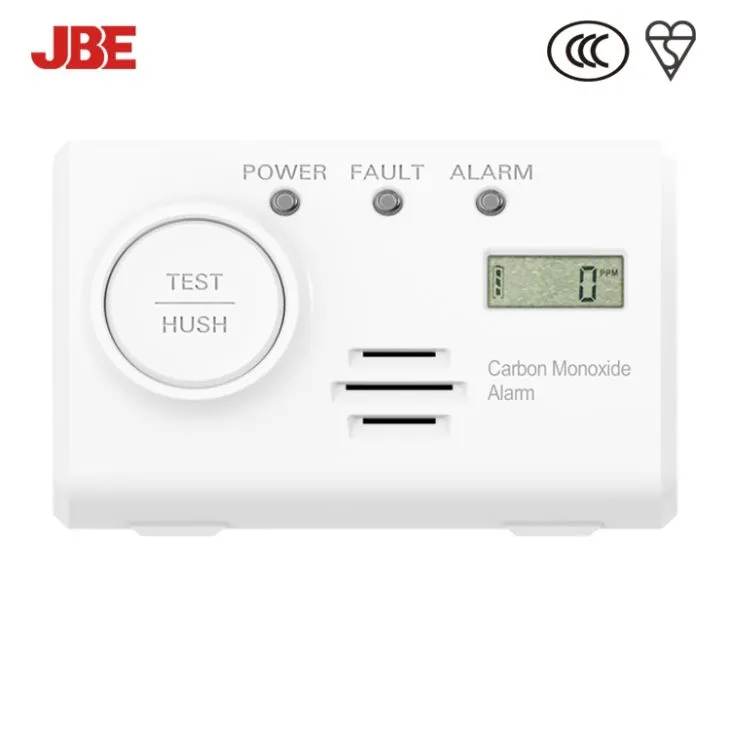
Some detectors come with features such as digital displays that show the current carbon monoxide level, memory functions that record peak levels, and wireless connectivity that allows you to receive alerts on your smartphone. The Carbon Monoxide Detector En50291 is a high - quality detector that meets European safety standards and may come with some of these advanced features.
Installation and Placement of Carbon Monoxide Detectors
Proper installation and placement of carbon monoxide detectors are crucial for their effectiveness. It is recommended to install at least one carbon monoxide detector on each floor of your home, especially near sleeping areas. Detectors should be placed at least 15 feet away from fuel - burning appliances to avoid false alarms. They can be installed on the wall or ceiling, following the manufacturer's instructions.
Maintenance of Carbon Monoxide Detectors
Regular maintenance of carbon monoxide detectors is essential to ensure their proper functioning. You should test your detector at least once a month using the test button. Replace the batteries in battery - operated detectors regularly, even if they are low - energy batteries. Detectors should be replaced every 5 - 7 years, as the sensors may degrade over time.
Legal Requirements for Carbon Monoxide Detectors
In many regions, there are legal requirements for the installation of carbon monoxide detectors. For example, in some states in the United States, landlords are required to install carbon monoxide detectors in rental properties. These laws are in place to protect the health and safety of residents.
Why Choose Our Carbon Monoxide Detectors
As a carbon monoxide detector supplier, we take pride in offering high - quality, reliable detectors. Our products are rigorously tested to ensure accurate detection and long - term performance. We use the latest sensor technologies to provide the most sensitive and precise detection of carbon monoxide.
We also offer a wide range of detectors to meet different needs and budgets. Whether you are looking for a basic battery - operated detector for your home or a more advanced detector with additional features for a commercial building, we have the right product for you.
Contact Us for Procurement
If you are interested in purchasing carbon monoxide detectors for your home, office, or any other property, we would be delighted to assist you. Our team of experts can help you choose the most suitable detector based on your specific requirements. We offer competitive prices, excellent customer service, and fast delivery.
Don't compromise on safety. Contact us today to start the procurement process and ensure that you and your loved ones are protected from the dangers of carbon monoxide.

References
- American Lung Association. "Carbon Monoxide: The Silent Killer."
- National Fire Protection Association. "NFPA 72: National Fire Alarm and Signaling Code."
- Centers for Disease Control and Prevention. "Carbon Monoxide Poisoning."


