

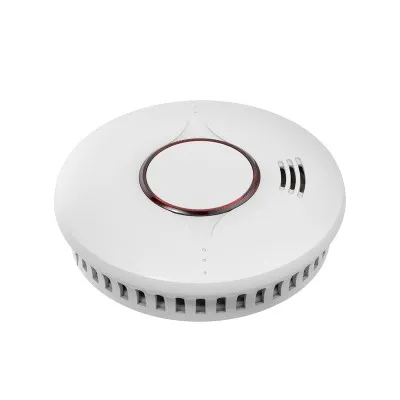




As a seasoned provider of smart home smoke detectors, I often encounter a pressing question from homeowners and business owners alike: Do smart home smoke detectors need to be replaced regularly? This query is not just a matter of curiosity but a crucial aspect of home and workplace safety. In this blog post, I'll dive into the science behind smart smoke detectors, explore the reasons for regular replacement, and provide insights that can help you make informed decisions about the safety of your living and working spaces.
Understanding Smart Home Smoke Detectors
Smart home smoke detectors represent a significant advancement in fire safety technology. Unlike traditional smoke detectors, which simply emit a loud alarm when smoke is detected, smart smoke detectors are equipped with sensors, connectivity features, and often, additional safety capabilities. These devices can connect to your home Wi-Fi network, allowing you to receive real-time alerts on your smartphone, even when you're away from home. Some smart smoke detectors also integrate with other smart home devices, such as smart lights or thermostats, to further enhance safety and convenience.
The two primary types of smart smoke detectors are ionization and photoelectric. Ionization detectors are highly sensitive to fast-flaming fires and work by detecting charged particles in the air. Photoelectric detectors, on the other hand, are better at detecting smoldering fires and use a beam of light to detect smoke particles. Many modern smart smoke detectors combine both technologies to provide comprehensive fire detection. For instance, our Intelligent Photoelectric Smoke Detector offers advanced photoelectric technology for reliable smoldering fire detection, along with additional features for enhanced safety.
Why Regular Replacement is Necessary
Sensor Degradation
Over time, the sensors in smart smoke detectors can degrade, leading to a decrease in their sensitivity. Dust, dirt, and other environmental factors can accumulate on the sensors, interfering with their ability to detect smoke accurately. Even in a clean environment, the sensors' performance can naturally decline due to wear and tear. For example, the electrical components in ionization detectors can deteriorate over time, reducing their effectiveness in detecting fast-flaming fires. Regular replacement ensures that your smoke detector maintains its optimal sensitivity and can provide reliable fire detection.
Technological Advancements
The field of smart home technology is evolving at a rapid pace, and new features and improvements are constantly being introduced. Older smart smoke detectors may lack the latest advancements in sensor technology, connectivity, or safety features. By replacing your smart smoke detector regularly, you can take advantage of these new technologies and ensure that your home or workplace is equipped with the most advanced fire safety tools available. Our Smart Smoke Detector incorporates the latest sensor technology and connectivity features, providing enhanced fire detection and real-time alerts.
Battery Life
Most smart home smoke detectors rely on batteries for power, either as the primary power source or as a backup. Over time, the battery's capacity will diminish, and it may no longer be able to provide sufficient power to operate the detector effectively. In some cases, a weak battery can cause the detector to malfunction or go silent, rendering it useless in the event of a fire. Even if your smart smoke detector is hardwired to your home's electrical system, it's still important to replace the backup battery regularly. Regular replacement of the smoke detector ensures that you don't have to worry about battery issues and can rely on your detector to work when you need it most.
Code Compliance
Building codes and safety regulations are constantly being updated to reflect the latest research and best practices in fire safety. In many areas, there are specific requirements regarding the installation and replacement of smoke detectors. By replacing your smart smoke detector regularly, you can ensure that your home or workplace remains in compliance with these codes and regulations. This not only helps to protect the safety of your occupants but also avoids potential fines or legal issues.
How Often Should Smart Home Smoke Detectors be Replaced?
The recommended replacement interval for smart home smoke detectors can vary depending on the manufacturer and the specific model. However, as a general rule, it's advisable to replace your smart smoke detector every 5 to 10 years. This timeframe takes into account the average lifespan of the sensors, the expected battery life, and the pace of technological advancements.
It's important to note that this is just a guideline, and you should always refer to the manufacturer's instructions for the specific replacement recommendations for your smoke detector. Some manufacturers may recommend more frequent replacement, especially for models with advanced features or high-performance sensors. Additionally, if your smoke detector has been exposed to extreme temperatures, humidity, or other harsh environmental conditions, it may need to be replaced more frequently.
The Benefits of Regular Replacement
Enhanced Safety
The most significant benefit of regular replacement is enhanced safety. By ensuring that your smart smoke detector is in optimal working condition, you can increase the likelihood of early fire detection and give yourself and your family more time to evacuate in the event of a fire. This can make a critical difference in saving lives and minimizing property damage.


Peace of Mind
Knowing that your smart smoke detector is up-to-date and reliable can provide you with peace of mind. You don't have to worry about whether your detector will work when you need it most or whether it's been affected by sensor degradation or other issues. With a new smart smoke detector, you can rest assured that your home or workplace is protected.
Improved Connectivity and Features
Newer smart smoke detectors often come with improved connectivity and features that can enhance your overall safety and convenience. For example, some models offer integration with smart home assistants, such as Amazon Alexa or Google Assistant, allowing you to control and monitor your smoke detector using voice commands. Others may have improved battery life, longer-range wireless connectivity, or enhanced reporting capabilities. By replacing your smoke detector regularly, you can take advantage of these new features and improve your home's smart safety ecosystem.
Our Recommended Smart Home Smoke Detectors
As a leading provider of smart home smoke detectors, we offer a range of high-quality products that are designed to meet the diverse needs of our customers. Our Wireless Interconnected Smoke Alarms are a popular choice for homeowners who want a reliable and convenient fire safety solution. These alarms are interconnected wirelessly, so if one alarm detects smoke, all the alarms in the house will sound, providing early warning throughout the home. They also feature Wi-Fi connectivity, allowing you to receive real-time alerts on your smartphone and monitor the status of your alarms remotely.
In addition to our wireless interconnected smoke alarms, we also offer a variety of other smart smoke detectors, including Intelligent Photoelectric Smoke Detector. These detectors are designed to provide reliable fire detection and are equipped with advanced features such as self-testing, low-battery indicators, and long-lasting batteries.
Conclusion
In conclusion, regular replacement of smart home smoke detectors is essential for maintaining optimal fire safety. Sensor degradation, technological advancements, battery life, and code compliance are all important factors that can affect the performance and reliability of your smoke detector. By replacing your detector every 5 to 10 years, you can ensure that your home or workplace is protected by the latest fire safety technology and minimize the risk of fire-related accidents.
If you're interested in learning more about our smart home smoke detectors or are looking to upgrade your current fire safety system, we encourage you to contact us for a consultation. Our team of experts is available to help you select the right products for your needs and provide professional installation and support services. Don't compromise on safety – invest in a reliable smart home smoke detector today.
References
- National Fire Protection Association (NFPA). (2023). NFPA 72: National Fire Alarm and Signaling Code.
- Underwriters Laboratories (UL). (2023). UL 217: Single and Multiple Station Smoke Alarms.
- Consumer Product Safety Commission (CPSC). (2023). Smoke Alarms: A Consumer Guide.


