

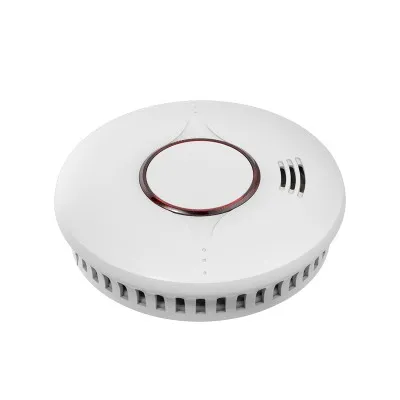


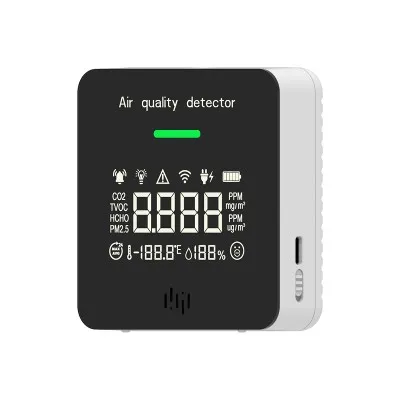


Wireless smoke detectors have become an essential part of home and commercial safety systems. They offer the convenience of easy installation and the ability to connect multiple detectors throughout a building. However, a common concern among consumers is whether these wireless smoke detectors emit false alarms. As a supplier of high - quality wireless smoke detectors, I'd like to delve into this topic and provide some insights.
Understanding False Alarms
A false alarm occurs when a smoke detector activates without the presence of actual smoke or fire. This can be a significant annoyance for homeowners and business owners, and in some cases, it can lead to complacency, where people ignore the alarms even when there is a real fire. False alarms can also result in unnecessary emergency responses, which can be costly for local fire departments.
Causes of False Alarms in Wireless Smoke Detectors
Cooking Fumes
One of the most common causes of false alarms is cooking fumes. When you're frying, grilling, or even boiling water vigorously, the steam and fumes can rise and reach the smoke detector. Ionization smoke detectors, in particular, are more sensitive to fast - flaming fires and can be triggered by the small particles in cooking fumes. For example, if you're making a stir - fry with a lot of oil, the hot oil can produce a significant amount of smoke - like fumes that might set off the detector.
Steam from Showers
Another frequent culprit is steam from showers. In bathrooms, the high humidity and steam can mimic the conditions that a smoke detector is designed to detect. Optical smoke detectors, which work by detecting the scattering of light by smoke particles, can sometimes mistake water droplets in the steam for smoke particles. If your wireless smoke detector is installed too close to a shower, it's more likely to be triggered by the steam.
Dust and Insects
Dust accumulation inside the smoke detector can also cause false alarms. Over time, dust particles can settle on the sensors of the detector, interfering with its normal operation. Insects can also find their way into the detector and cause it to malfunction. For instance, a spider web inside the detector can block the light path in an optical detector or interfere with the ionization process in an ionization detector.
Electrical Interference
Wireless smoke detectors rely on radio frequencies to communicate with each other and with the control panel. Electrical interference from other devices in the vicinity can disrupt this communication and cause false alarms. Devices such as microwave ovens, cordless phones, and Wi - Fi routers can emit electromagnetic signals that may interfere with the wireless smoke detector's signal.
Our Solutions to Minimize False Alarms
Advanced Sensor Technology
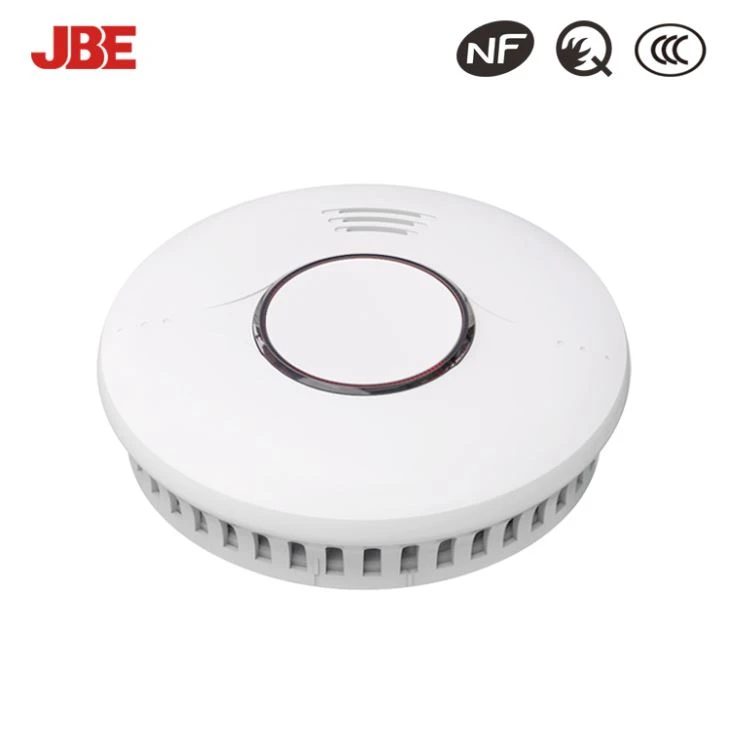
At our company, we use advanced sensor technology in our wireless smoke detectors. Our Interlinked Smoke Detectors are equipped with dual - sensor technology, which combines both ionization and optical sensors. This technology allows the detector to distinguish between different types of particles, reducing the likelihood of false alarms caused by cooking fumes or steam. The ionization sensor is highly sensitive to fast - flaming fires, while the optical sensor is better at detecting smoldering fires. By using both sensors, the detector can provide more accurate and reliable detection.
Smart Algorithms
We have developed smart algorithms that analyze the data from the sensors in real - time. These algorithms can differentiate between normal environmental conditions and actual smoke or fire. For example, if the detector senses a sudden increase in humidity, it can determine that it's likely due to steam from a shower and not trigger an alarm. Our Dual Battery Hardwired Smoke Alarm uses these smart algorithms to provide enhanced false - alarm immunity.

Regular Maintenance Reminders
To prevent false alarms caused by dust and insects, our wireless smoke detectors are designed to send maintenance reminders to the user. These reminders can be sent via a mobile app or an audible alert. By regularly cleaning the detector and checking for any signs of damage or insect infestation, users can ensure that the detector operates properly and reduces the risk of false alarms.
High - Quality Components
We use high - quality components in our wireless smoke detectors to minimize the impact of electrical interference. Our Wireless 10 Years Smoke Alarm is built with shielded wiring and advanced signal processing circuits to ensure stable communication and reliable operation even in environments with high levels of electromagnetic interference.
Testing and Certification
All of our wireless smoke detectors undergo rigorous testing to meet international safety standards. We test our detectors in various simulated environments, including kitchens, bathrooms, and areas with high levels of electrical interference. Our products are certified by independent testing laboratories, which ensures that they are reliable and have a low rate of false alarms.
Conclusion
While wireless smoke detectors can emit false alarms, there are many factors that can be controlled to minimize this risk. As a supplier of wireless smoke detectors, we are committed to providing our customers with high - quality products that offer reliable fire detection and low false - alarm rates. Our advanced technology, smart algorithms, and regular maintenance reminders help to ensure that our detectors operate effectively and provide peace of mind for homeowners and business owners.
If you're interested in purchasing our wireless smoke detectors or have any questions about our products, we invite you to contact us for a procurement discussion. We look forward to working with you to enhance the safety of your home or business.
References
- National Fire Protection Association. (2022). NFPA 72: National Fire Alarm and Signaling Code.
- Underwriters Laboratories. (2021). UL 217: Standard for Smoke Alarms.
- Consumer Product Safety Commission. (2020). Smoke Alarm Performance and Safety.


