

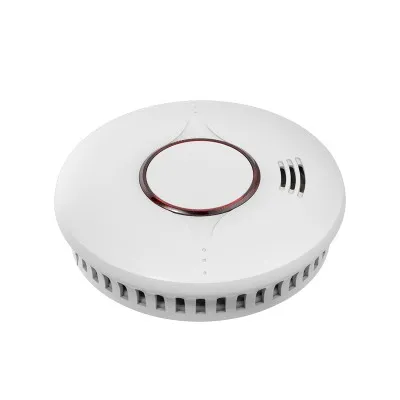


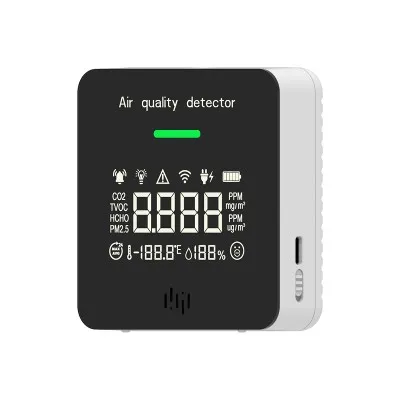


Hey there! As a supplier of heat detector fire-proof solutions, I often get asked about how accurate these heat detectors are when it comes to detecting fires. It's a super important question, especially considering the crucial role they play in keeping people and properties safe. So, let's dive right into it and explore the accuracy of heat detectors for fire-proof purposes.
How Heat Detectors Work
First off, let's quickly go over how heat detectors actually work. There are basically two main types: fixed-temperature and rate-of-rise heat detectors.
Fixed-temperature heat detectors are designed to trigger an alarm when the temperature in the area reaches a pre - set level. For example, they might be set to go off when the temperature hits 135°F (57°C) or 155°F (68°C). These are great for areas where the normal temperature is relatively stable and where a sudden rise in temperature could signal a fire.
Rate - of - rise heat detectors, on the other hand, monitor the rate at which the temperature is increasing. If the temperature goes up too quickly, say more than 12°F (6.7°C) per minute, they'll sound the alarm. This type is useful in places where the temperature can vary a bit, but a rapid increase is a clear sign of trouble.
Factors Affecting Accuracy
Now, there are several factors that can impact how accurate heat detectors are.
Environmental Conditions
One of the biggest factors is the environment. In hot and humid areas, the normal temperature and moisture levels can be quite high. This can sometimes cause false alarms in fixed - temperature heat detectors if they're not properly calibrated. For example, in a steam room or a kitchen near a hot stove, the regular high temperatures might make the detector think there's a fire when there isn't.
On the flip side, in very cold environments, the response time of heat detectors can be slower. The heat from a fire might take longer to reach the detector, which means it could take more time for the alarm to go off.
Placement
Where you put the heat detector is also crucial. If it's installed too close to a heat source like a heater or a light bulb, it can give false readings. Similarly, if it's placed in a corner or an area with poor air circulation, the heat from a fire might not reach it quickly enough, reducing its accuracy.
Maintenance
Just like any other piece of equipment, heat detectors need regular maintenance. Dust, dirt, and debris can build up on the sensors over time, which can affect their ability to detect heat accurately. If the batteries (in battery - operated detectors) are low or the wiring (in hard - wired ones) is damaged, the detector might not work properly.


Real - World Accuracy
In real - world scenarios, heat detectors are generally quite reliable, but they're not perfect. According to some studies, in well - maintained and properly installed systems, heat detectors can detect fires in a timely manner in about 90% of cases. However, this number can drop significantly if the factors I mentioned above aren't taken into account.
For example, in industrial settings where there are lots of heat sources and harsh environmental conditions, the accuracy might be closer to 70 - 80%. In residential buildings, where the environment is more controlled, the accuracy can be higher, around 90 - 95%.
Our Heat Detector Products
At our company, we offer a range of high - quality heat detectors that are designed to be as accurate as possible.
We have the Mains Power Heat Detector With Battery. This detector combines the reliability of mains power with the backup of a battery. So, even if there's a power outage, it can still keep working and accurately detect fires.
Our Intelligent Heat Detector is another great option. It uses advanced technology to analyze the temperature patterns and distinguish between normal temperature variations and fire - related heat. This helps to reduce false alarms and improve overall accuracy.
And then there are our Hard Wired Heat Alarms. These are hard - wired into your electrical system, providing a constant power supply and ensuring a stable and accurate performance.
Improving Accuracy
To improve the accuracy of heat detectors, here are some tips:
- Proper Installation: Make sure to follow the manufacturer's instructions when installing the detector. Place it in an area with good air circulation and away from heat sources.
- Regular Maintenance: Clean the detectors regularly to remove dust and debris. Check the batteries (if applicable) and the wiring for any signs of damage.
- Calibration: Have the detectors calibrated periodically to ensure they're still set to the correct temperature levels.
Conclusion
So, to sum it up, heat detectors can be very accurate in detecting fires for fire - proof purposes, but their accuracy depends on a variety of factors. By choosing the right type of detector, installing it correctly, and maintaining it properly, you can significantly improve its performance.
If you're in the market for high - quality heat detectors, we'd love to talk to you. Whether you're looking for a detector for your home, office, or industrial facility, we have the products and expertise to meet your needs. Get in touch with us to discuss your requirements and start protecting your property today.
References
- National Fire Protection Association (NFPA) standards on fire detection.
- Various industry research papers on heat detector performance.


