

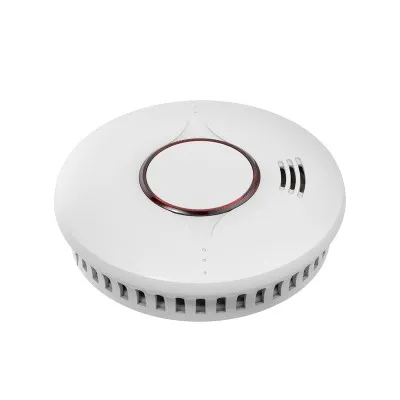




Selecting the right wireless smoke detector for your home is a crucial decision that can significantly impact the safety and well - being of your family. As a supplier of wireless smoke detectors, I understand the importance of this choice and am here to guide you through the process.
Understanding the Basics of Wireless Smoke Detectors
Wireless smoke detectors offer several advantages over traditional wired models. They are easier to install, as there is no need to run electrical wires through your walls. This makes them a great option for renters or those who don't want to deal with the hassle of a complex installation. Additionally, wireless smoke detectors can be linked together, so if one detector senses smoke, all the detectors in the system will sound an alarm.
There are two main types of smoke detection technologies used in wireless smoke detectors: ionization and photoelectric. Ionization detectors are more sensitive to fast - flaming fires, while photoelectric detectors are better at detecting smoldering fires. Some detectors use a combination of both technologies, known as dual - sensor detectors, to provide comprehensive protection.


Factors to Consider When Choosing a Wireless Smoke Detector
1. Type of Detector
As mentioned earlier, ionization, photoelectric, and dual - sensor detectors each have their own strengths. If you live in an area where fast - flaming fires are more common, an ionization detector might be a good choice. However, if smoldering fires are a greater concern, a photoelectric detector would be more suitable. Dual - sensor detectors offer the best of both worlds and are generally recommended for most homes.
2. Power Source
Wireless smoke detectors can be powered by batteries or by the mains electricity. Battery - powered detectors are more flexible and can be placed anywhere in your home, but you need to remember to replace the batteries regularly. On the other hand, Mains Powered Smoke Alarm offer continuous power and are less likely to fail due to dead batteries. Some detectors even have a dual - power option, which combines battery and mains power for added reliability.
3. Linkability
One of the key features of wireless smoke detectors is their ability to be linked together. Linked Smoke Detectors ensure that if one detector senses smoke, all the other detectors in the system will sound an alarm, alerting everyone in the house. This is especially important in larger homes or multi - level buildings where a fire in one area might not be immediately noticeable.
4. Alarm Sound
The alarm sound of a smoke detector is crucial as it needs to be loud enough to wake you up in the middle of the night. Look for detectors with a high decibel rating (dB). Some detectors also offer different alarm tones, such as a standard beep or a voice alert, which can be useful for those with hearing impairments.
5. Additional Features
Some wireless smoke detectors come with additional features that can enhance their functionality. For example, some detectors can be connected to your home's Wi - Fi network, allowing you to receive alerts on your smartphone. This is particularly useful if you are away from home and want to be notified in case of a fire. Other features may include a test button, a low - battery indicator, and a hush button to temporarily silence the alarm.
Installation and Placement of Wireless Smoke Detectors
1. Installation
Installing a wireless smoke detector is generally a straightforward process. Most detectors come with detailed instructions and mounting hardware. Make sure to follow the manufacturer's instructions carefully to ensure proper installation. If you are unsure about the installation process, it is always a good idea to consult a professional.
2. Placement
Proper placement of smoke detectors is essential for their effectiveness. Install detectors on the ceiling or high on the wall, at least 4 inches (10 cm) from the corner. Place detectors in every bedroom, outside each sleeping area, and on every level of your home, including the basement. Avoid placing detectors near windows, doors, or vents, as drafts can interfere with their operation.
Maintenance of Wireless Smoke Detectors
1. Testing
Regularly test your smoke detectors to ensure they are working properly. Most detectors have a test button that you can press to activate the alarm. Test your detectors at least once a month.
2. Cleaning
Over time, dust and debris can accumulate inside the detector, which can affect its performance. Clean your detectors regularly using a soft brush or a can of compressed air.
3. Battery Replacement
If your detector is battery - powered, replace the batteries at least once a year, or as recommended by the manufacturer. Some detectors have a low - battery indicator that will alert you when the batteries need to be replaced.
Why Choose Our Wireless Smoke Detectors
As a supplier of wireless smoke detectors, we take pride in offering high - quality products that meet the highest safety standards. Our Wireless Linked Smoke Alarms are designed to provide reliable and comprehensive protection for your home.
We offer a wide range of detectors, including ionization, photoelectric, and dual - sensor models, to suit your specific needs. Our detectors are easy to install and come with a long - lasting battery life or a reliable mains power option. Additionally, our detectors can be easily linked together to create a seamless alarm system for your home.
Our products are also equipped with the latest features, such as Wi - Fi connectivity, voice alerts, and low - battery indicators, to ensure your peace of mind. We are committed to providing excellent customer service and support, and we stand behind the quality of our products.
Conclusion
Choosing the right wireless smoke detector for your home is an important decision that requires careful consideration. By taking into account the factors mentioned above, you can select a detector that provides the best protection for your family and home. If you have any questions or need further assistance in choosing the right detector, please feel free to contact us. We are here to help you make the right choice and ensure the safety of your home.
References
- National Fire Protection Association. (2023). Smoke alarms in residential buildings.
- Consumer Product Safety Commission. (2023). Safety tips for smoke detectors.


