

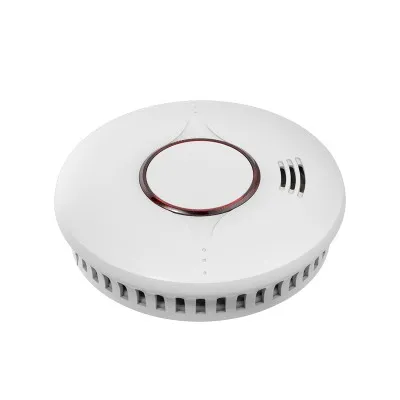




A chirping smoke detector can be an incredibly annoying problem, not to mention a potential sign of an underlying issue with your safety system. As a leading supplier of high - quality smoke detectors, I've encountered this concern countless times from our customers. In this blog, I'll delve into the reasons why your smoke detector might be chirping and offer effective solutions to put an end to that pesky noise.
Common Reasons for Chirping
Low Battery
One of the most frequent causes of a chirping smoke detector is a low battery. Most detectors are designed to emit a warning chirp when the battery power is running low. This is a crucial safety feature, as a fully - powered detector is essential for early fire detection. When the battery voltage drops below a certain level, the device signals that it needs attention.
Dust and Debris
Over time, dust and other small particles can accumulate inside the smoke detector. This buildup can interfere with the normal operation of the sensor, causing false alarms or a persistent chirping sound. The optical sensors in many detectors work by detecting changes in light patterns due to smoke. If dust obscures the sensor, it may misinterpret the conditions and trigger a warning.
End - of - Life
Smoke detectors have a limited lifespan, typically around 8 - 10 years. As they approach the end of this period, the internal components can start to degrade, leading to erratic behavior such as chirping. Manufacturers build in this end - of - life warning to ensure that users replace their detectors in a timely manner.
Environmental Factors
Certain environmental conditions can also cause a smoke detector to chirp. High humidity, steam from hot showers, or sudden temperature changes can all affect the performance of the detector. For example, in a bathroom, the steam can mimic the properties of smoke, setting off the alarm or causing it to emit a warning chirp.
Solutions to Stop the Chirping
Replace the Battery
If you suspect that a low battery is the culprit, the first step is to replace the battery. Make sure to use a fresh, high - quality battery of the appropriate type for your detector. Most detectors use 9 - volt batteries, but some models may require other types, such as AA or AAA. Consult the user manual for your specific device to ensure you're using the correct battery. After replacing the battery, wait a few minutes to see if the chirping stops.
Clean the Detector
To clean a smoke detector, first, turn off the power to the unit. You can do this by removing the battery or flipping the circuit breaker if it's a hard - wired detector. Then, gently vacuum the outside of the detector to remove any loose dust. Use a soft brush, like a paintbrush, to carefully clean the vents and the sensor area. Be very gentle to avoid damaging the delicate components. Once cleaned, reinstall the detector and see if the chirping persists.
Replace the Detector
If your smoke detector is approaching or has exceeded its recommended lifespan, it's time to replace it. Investing in a new detector is crucial for maintaining the safety of your home or business. At our company, we offer a wide range of high - quality smoke detectors, including the Handy Test/Silence Button Smoke Alarm and the Convenient Test Smoke Alarm. These stand - alone models are easy to install and come with useful features to ensure reliable performance.
For larger installations or commercial properties, our Mains Operated Smoke Alarms are an excellent choice. These hard - wired detectors are connected to the building's electrical system, providing continuous power and often featuring wireless interconnectivity for a more comprehensive fire detection network.
Adjust the Location
If environmental factors are causing the chirping, consider relocating the smoke detector. Avoid placing it in areas prone to high humidity, such as bathrooms or near kitchens. Also, keep it away from vents or areas where there is a lot of air movement, as this can affect its performance. Mount the detector at least 10 feet away from cooking appliances and in a central location on the ceiling or high on the wall.
Troubleshooting Tips
If you've tried all the above solutions and the smoke detector is still chirping, try performing a hard reset. For battery - operated detectors, remove the battery, wait for about 30 seconds, and then reinstall it. This can sometimes clear any internal glitches.
For hard - wired detectors, turn off the power at the circuit breaker, wait for a few minutes, and then turn it back on. If the problem persists after the reset, it may be a sign of a more serious issue, and it's advisable to contact the manufacturer's customer service for further assistance.


Conclusion
A chirping smoke detector is not just a nuisance; it could be a warning sign that your safety system needs attention. By understanding the common causes and implementing the appropriate solutions, you can keep your smoke detector functioning properly and ensure the safety of your property.
At our company, we are committed to providing the highest - quality smoke detectors and excellent customer service. Whether you're looking for a simple stand - alone detector for your home or a comprehensive hard - wired system for a commercial building, we have the products to meet your needs.
If you're interested in learning more about our smoke detectors or are ready to make a purchase, we invite you to reach out for a procurement discussion. Our team of experts is here to help you choose the right products for your specific requirements.
References
- National Fire Protection Association (NFPA). "Smoke Alarm Installation and Maintenance."
- Manufacturer's user manuals for various smoke detector models.


