





Hey there! I'm a supplier of smart home systems, and I've seen firsthand how these nifty gadgets can really shake up the value of a home. So, let's dive into how a smart home system affects home value.
1. Enhanced Security Boosts Value
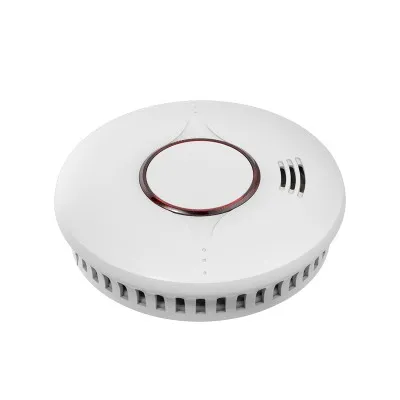
One of the biggest selling points of a smart home system is security. With devices like the Wifi USB Siren Alarm, homeowners can have peace of mind knowing that their property is protected. This siren alarm can be connected to your home's Wi - Fi network, and it can be set to go off when it detects any suspicious activity.
Thieves are less likely to target a home with a visible smart security system. Real estate agents often find that homes with smart security features sell faster and at a higher price. In fact, studies have shown that a well - installed smart security system can increase a home's value by up to 5%. This is because potential buyers see the added security as a long - term investment in their safety and the protection of their belongings.
2. Energy Efficiency Saves and Adds Value
Smart home systems are also great for energy management. Devices like smart thermostats can learn your daily routine and adjust the temperature accordingly. This not only saves you money on your energy bills but also makes your home more environmentally friendly.
For example, a smart thermostat can lower the temperature when you're away from home and raise it just before you return. Over time, these energy savings can add up significantly. Homebuyers are increasingly looking for energy - efficient homes, and a smart home system that includes energy - saving features can make your property more attractive. It's estimated that energy - efficient homes can sell for 10% more than non - energy - efficient ones.
3. Convenience and Comfort Appeal
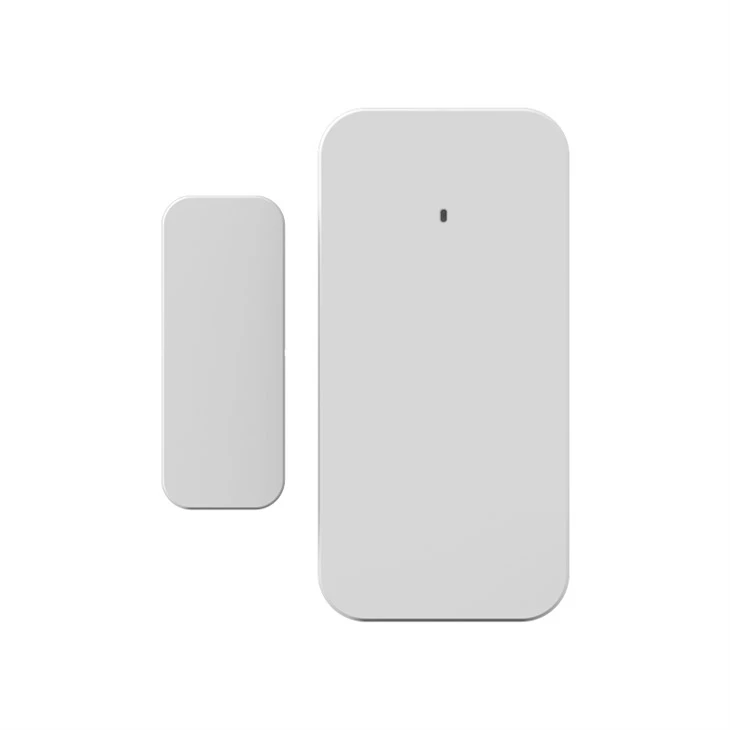
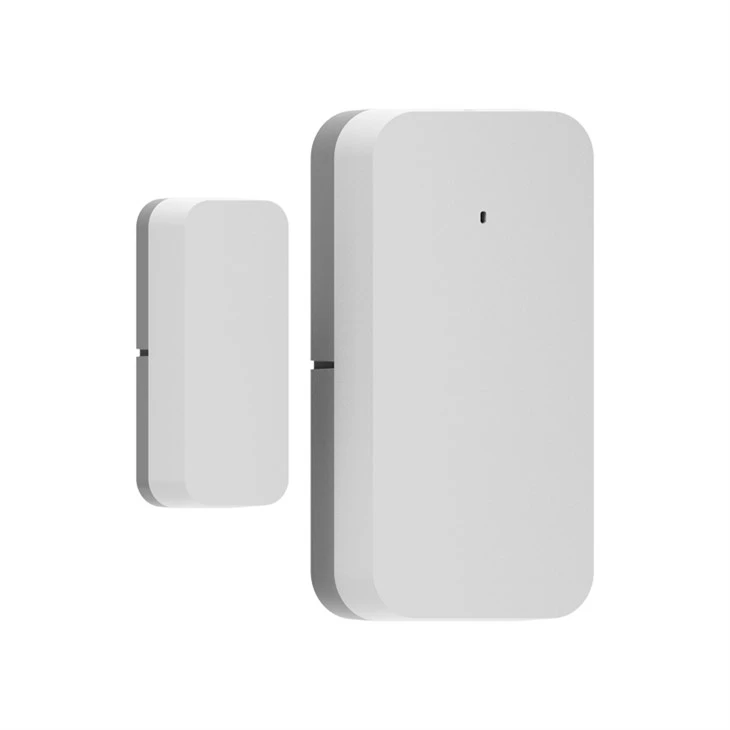
The convenience factor of a smart home system is a major draw for many buyers. With a Smart Home Wireless Door Sensor, you can know when someone enters or leaves your home, even when you're not there. You can also control various aspects of your home, like lights, locks, and appliances, from your smartphone.
Imagine being able to turn off the lights in your living room while you're already in bed, or unlock the door for a guest without having to get up. This level of convenience is highly desirable in today's fast - paced world. Homes with smart home systems offer a more comfortable and modern living experience, which can increase their market value.
4. Integration and Future - Proofing
A good smart home system is all about integration. It allows different devices to work together seamlessly. For instance, you can set up a scenario where when you open the front door, the lights in the hallway turn on automatically. This kind of integration makes the home more user - friendly and efficient.
Moreover, a smart home system future - proofs your home. As technology continues to evolve, your smart home can be updated to include new features and capabilities. This is an attractive feature for buyers who want a home that can keep up with the latest trends. A home that is ready for future technological advancements is likely to hold its value better over time.
5. Market Demand and Perceived Value
The demand for smart home systems is on the rise. More and more homebuyers are looking for properties that come with these high - tech features. When a home has a smart home system, it stands out in the market. It gives the impression of being a modern, forward - thinking property.
This perceived value can have a significant impact on the selling price. Even if the actual cost of installing the smart home system is not extremely high, the added value it brings to the home can be much greater. Real estate agents often use the presence of a smart home system as a selling point to attract potential buyers.
6. Customization and Personalization
Smart home systems offer a high degree of customization. You can tailor the system to your specific needs and preferences. For example, you can set up different lighting scenes for different occasions, or program your smart locks to allow access to certain people at specific times.
This level of personalization is appealing to buyers. They can envision making the home their own and having a living space that is truly unique. A home with a customizable smart home system can command a higher price in the market.
7. The Role of a Wireless Remote Controller
A Wireless Remote Controller is another important component of a smart home system. It allows you to control various devices from a single device. You can adjust the temperature, turn on the lights, or lock the doors with just a few clicks.
This kind of centralized control adds to the convenience and functionality of the smart home system. It also makes the home more user - friendly, especially for those who are not tech - savvy. A home with a wireless remote controller is seen as more high - tech and desirable, which can increase its value.
Conclusion
In conclusion, a smart home system can have a significant positive impact on home value. From enhanced security and energy efficiency to convenience and customization, these systems offer a range of benefits that make a home more attractive to potential buyers.
If you're interested in learning more about how our smart home systems can add value to your property, or if you're thinking about purchasing a system for your home, don't hesitate to reach out. We're here to help you make the most of your home and its value. Let's have a chat about how we can customize a smart home system that meets your needs and budget.
References
- "The Impact of Smart Home Technology on Real Estate Value" - Journal of Real Estate Research
- "Energy - Efficient Homes: A Growing Market" - National Association of Home Builders
- "Security Trends in the Smart Home Industry" - Consumer Technology Association


