

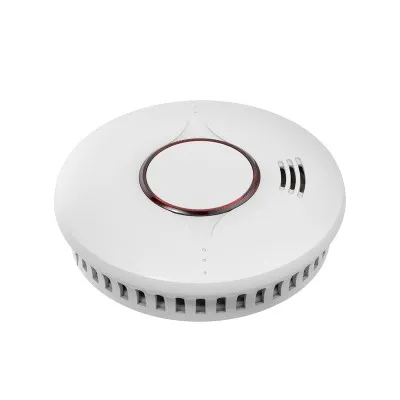


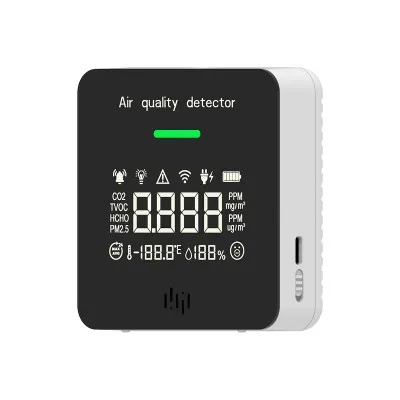


Hey there! As a supplier in the Heat Detector Fire Proof game, I get asked a ton about how long the batteries last in battery-powered heat detectors. It's a super important question because when it comes to fire safety, you want your detectors working all the time. So, let's dive right into it.
Factors Affecting Battery Life
First off, there's no one-size-fits-all answer to how long the batteries will last. It depends on a bunch of things. One major factor is the type of battery used. Most battery-powered heat detectors use alkaline batteries. These are pretty common and can last anywhere from 1 to 5 years, depending on the detector's power consumption.
The power consumption of the heat detector itself is a big deal. Some detectors are designed to be more energy-efficient. For example, if a detector has a lower sensitivity level and doesn't need to constantly monitor the environment, it'll use less power. On the other hand, high-sensitivity detectors that are always on the lookout for even the slightest temperature change will drain the batteries faster.
Another factor is the ambient temperature. Batteries don't perform well in extreme temperatures. In really cold conditions, the chemical reactions inside the battery slow down, reducing its capacity. In hot environments, the battery can overheat and degrade faster. So, if your heat detector is placed in an area with wide temperature fluctuations, the battery life is likely going to be shorter.
The frequency of the detector's operation also plays a role. If a detector is triggered frequently, even if it's a false alarm, it uses more energy. This can wear down the battery more quickly.
Different Types of Battery-Powered Heat Detectors
Let's talk about the different types of battery-powered heat detectors out there.
There are Hard Wired Heat Alarms. Even though they have a hard-wired connection, they often come with a battery backup. This backup battery is crucial in case of a power outage. The battery life in these is usually designed to last long enough to keep the detector running during a short to moderate power outage, typically a few hours to a couple of days.
Then we have the Mains Power Heat Detector With Battery. These are similar to the hard-wired ones but are intended to rely more on the mains power. The battery here acts as a secondary power source. It usually has a longer lifespan because it's not the primary power supply, and the detector is optimized to use it sparingly.

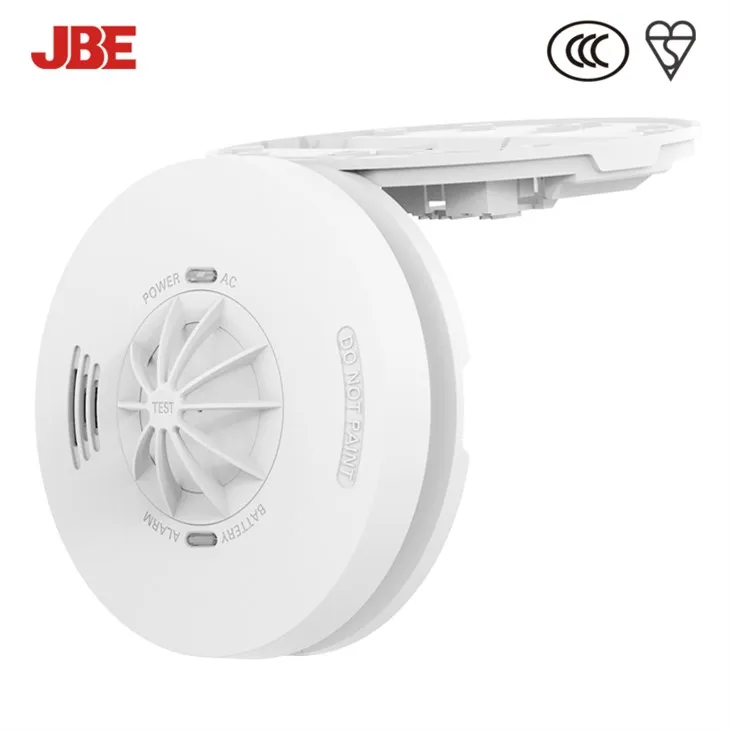
Lastly, there are Wireless Heat Detectors. These rely entirely on batteries to function. Since they need to power both the heat detection mechanism and the wireless communication module, the battery life can be a bit shorter compared to the other types. However, with advancements in technology, some wireless detectors can now last up to 3 - 5 years on a single set of batteries.
Estimating Battery Life
So, how can you estimate the battery life for your specific heat detector? Well, most manufacturers provide an estimated battery life in the product manual. This is usually based on ideal conditions, so in real-world scenarios, it might be a bit different.
You can also keep track of the battery usage over time. If you note down when you replace the batteries and when the detector starts showing low battery signs, you'll get a better idea of how long the batteries actually last in your environment.
Some modern heat detectors come with a low battery indicator. This is a great feature because it gives you a heads up before the battery dies completely. That way, you can replace the batteries in a timely manner and keep your detector working.
Tips to Extend Battery Life
If you want to get the most out of your batteries, here are some tips. First, install the heat detector in a stable temperature environment. Avoid placing it near heaters, air vents, or in direct sunlight. This will help the battery perform better and last longer.
Make sure to use high-quality batteries. Generic or low-quality batteries might be cheaper, but they often have a shorter lifespan and can cause problems with the detector.
Regularly test your heat detector. This might sound counterintuitive, but testing it manually once in a while can help you identify any issues early on. If there's a problem with the detector, it might be using more power than it should, and you can get it fixed before it drains the battery.
Why It Matters
The battery life of heat detectors is crucial for fire safety. If a detector's battery dies and you don't replace it in time, you're at risk of not being alerted in case of a fire. A working heat detector can give you the precious time you need to evacuate safely and call the fire department.
Let's Talk Business
I hope this blog has given you a better understanding of how long the batteries last in battery-powered heat detectors. At our company, we're committed to providing high-quality heat detectors with long-lasting battery life. If you're interested in improving the fire safety of your home or business, we'd love to talk to you. Whether you need a single detector for a small space or a whole system for a large building, we've got you covered.
If you have any questions or want to discuss your specific needs, just reach out to us. We're here to help you make the right choice and ensure your property is protected from fires.
References
- Fire Protection Association. (Year). Guidelines for Heat Detectors.
- Battery Manufacturers Association. (Year). Battery Performance in Different Environments.


