

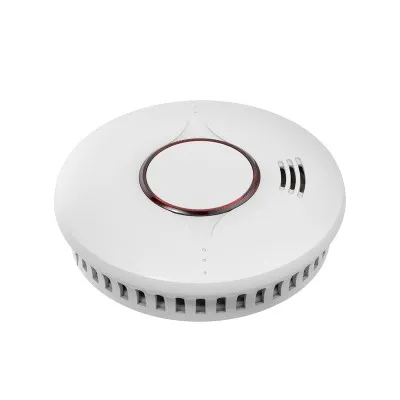


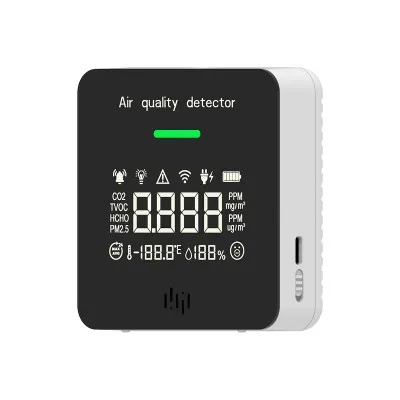


When it comes to fire proofing, choosing the right heat detector is a crucial decision that can mean the difference between safety and disaster. As a heat detector fire proof supplier, I've seen firsthand the importance of making an informed choice. In this blog, I'll guide you through the key factors to consider when selecting the perfect heat detector for your needs.
Understanding the Basics of Heat Detectors
Heat detectors are devices designed to sense an increase in temperature and trigger an alarm when a pre - set threshold is reached. They are an essential component of any fire safety system, especially in areas where smoke detectors may not be suitable, such as kitchens, boiler rooms, or industrial settings with high levels of dust or steam.
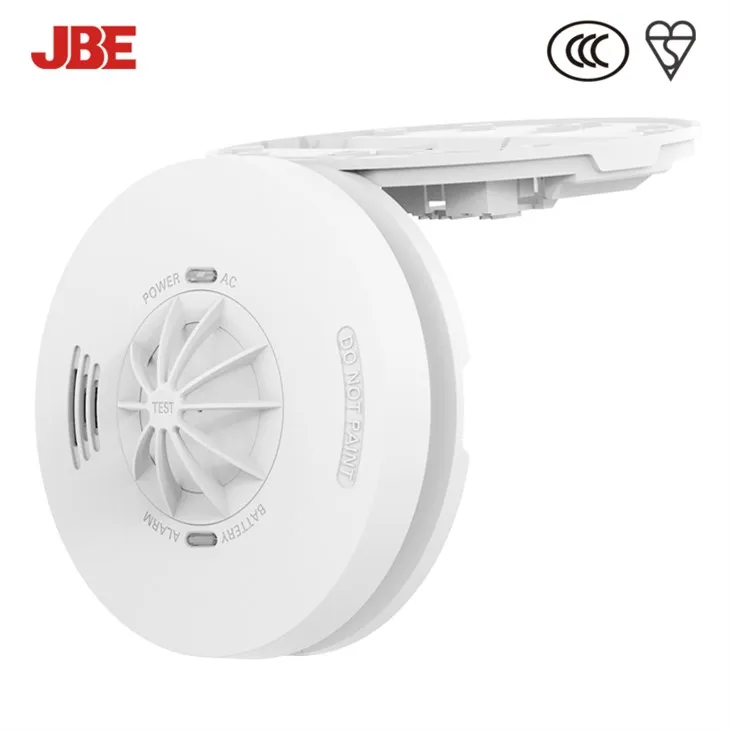

There are two main types of heat detectors: fixed - temperature and rate - of - rise. Fixed - temperature detectors are set to activate when the ambient temperature reaches a specific level, typically between 57°C and 74°C. Rate - of - rise detectors, on the other hand, are designed to detect a rapid increase in temperature, usually around 12°C to 22°C per minute, regardless of the starting temperature.
Factors to Consider When Choosing a Heat Detector
Installation Location
The first step in choosing a heat detector is to determine where it will be installed. Different environments have different temperature profiles and potential fire risks. For example, in a commercial kitchen, where high heat is generated during normal operation, a fixed - temperature detector with a higher set point may be more appropriate. In contrast, a rate - of - rise detector might be better suited for a storage area where a sudden fire could cause a rapid increase in temperature.
Sensitivity Requirements
The sensitivity of a heat detector is another important consideration. If you need to detect fires at an early stage, a more sensitive detector may be required. However, in areas with normal temperature fluctuations, a highly sensitive detector may cause false alarms. It's essential to strike a balance between sensitivity and reliability.
Power Source
Heat detectors can be powered by various sources, including hard - wired connections, mains power with battery backup, or wireless technology.
- Hard Wired Heat Alarms are directly connected to the electrical system of a building. They offer a reliable power source and are often used in commercial and industrial settings where continuous operation is critical.
- Mains Power Heat Detector With Battery provides an additional layer of protection. In case of a power outage, the battery backup ensures that the detector continues to function.
- Wireless Heat Detector are easy to install and can be a good option for retrofit applications or areas where running wires is difficult.
Compatibility with Existing Systems
If you already have a fire alarm system in place, it's important to choose a heat detector that is compatible with it. This ensures seamless integration and proper communication between the different components of the system.
Maintenance Requirements
Like any other device, heat detectors require regular maintenance to ensure optimal performance. Consider the ease of maintenance when choosing a detector. Some detectors are designed for easy access and replacement of components, while others may require more complex maintenance procedures.
Evaluating Different Heat Detector Models
Once you've considered the above factors, it's time to evaluate different heat detector models. Look for products that have been tested and certified by recognized standards organizations, such as UL (Underwriters Laboratories) or FM (Factory Mutual). These certifications ensure that the detectors meet strict safety and performance requirements.
Read reviews and testimonials from other customers to get an idea of the reliability and effectiveness of the detectors. You can also consult with fire safety experts or your local fire department for recommendations.
Cost - Benefit Analysis
Cost is always a factor when making a purchasing decision. However, it's important not to compromise on quality for the sake of saving money. A high - quality heat detector may cost more upfront, but it can provide better protection and reliability in the long run.
Consider the total cost of ownership, including the purchase price, installation costs, maintenance costs, and the potential cost of false alarms. A more expensive detector with lower maintenance requirements and fewer false alarms may actually be more cost - effective over time.
The Importance of Professional Installation
Even the best heat detector is useless if it's not installed correctly. Professional installation ensures that the detector is placed in the right location, wired properly (if applicable), and calibrated correctly. A professional installer can also provide valuable advice on system design and maintenance.
Conclusion
Choosing the right heat detector for fire proofing is a complex but essential task. By considering factors such as installation location, sensitivity requirements, power source, compatibility, and maintenance, you can make an informed decision that will protect your property and the people within it.
As a heat detector fire proof supplier, I'm here to help you every step of the way. Whether you have questions about our products or need assistance with installation and maintenance, don't hesitate to reach out. Contact us today to start the conversation about finding the perfect heat detector for your fire safety needs.
References
- NFPA 72: National Fire Alarm and Signaling Code
- UL 521: Standard for Heat Detectors for Fire - Protection Signaling Systems
- FM 7440: Approval Standard for Heat Detectors


