

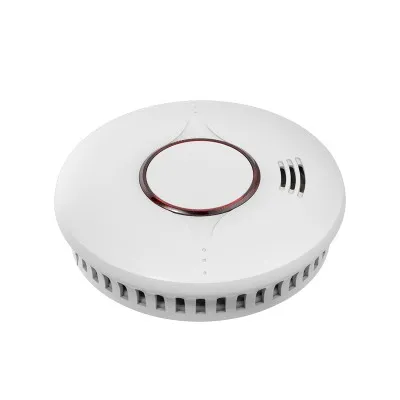




Testing a hardwired smoke detector is a crucial step in ensuring the safety of your home or workplace. As a trusted supplier of high - quality hardwired smoke detectors, we understand the importance of proper testing procedures. In this blog, we will guide you through the process of testing a hardwired smoke detector to guarantee its optimal performance.
Why Testing is Essential
Smoke detectors are your first line of defense against fires. A malfunctioning smoke detector can mean the difference between a safe evacuation and a tragic outcome. Regular testing helps to identify any issues with the detector, such as a dead battery, a faulty sensor, or a wiring problem. By testing your hardwired smoke detector regularly, you can ensure that it will alert you promptly in the event of a fire.
Pre - Test Checks
Before you start testing your hardwired smoke detector, there are a few pre - test checks you should perform.
Visual Inspection
Begin by visually inspecting the smoke detector. Look for any signs of damage, such as cracks in the housing, loose wires, or a dirty sensor. A dirty sensor can reduce the detector's sensitivity, so if you notice any dust or debris, gently clean the sensor using a soft brush or compressed air.
Check the Power Source
Hardwired smoke detectors are typically connected to your home's electrical system and have a backup battery. Check the battery compartment to ensure that the battery is properly installed and has a good charge. If the battery is low, replace it with a new one. Also, make sure that the detector is properly connected to the electrical wiring.
Testing the Alarm Function
The most common way to test a hardwired smoke detector is to use the test button.
Locate the Test Button
Most hardwired smoke detectors have a test button on the front or side of the unit. The button is usually labeled "Test".
Press the Test Button
Press and hold the test button for a few seconds. You should hear a loud, continuous beeping sound, indicating that the alarm is working properly. If you do not hear the beeping sound, check the battery and the electrical connection. If the problem persists, the detector may be faulty and should be replaced.
Release the Test Button
Once you have confirmed that the alarm is working, release the test button. The beeping should stop, and the detector should return to its normal monitoring mode.
Testing the Sensor
In addition to testing the alarm function, it is also important to test the sensor's ability to detect smoke.
Use a Smoke Test Kit
You can purchase a smoke test kit from a hardware store. These kits typically contain a small canister of simulated smoke. Follow the instructions on the kit carefully.
Apply the Simulated Smoke
Hold the canister of simulated smoke near the intake vents of the smoke detector. The detector should activate within a few seconds, and the alarm should sound. If the detector does not activate, there may be a problem with the sensor.
Ventilate the Area
After the test, open the windows and doors to ventilate the area and remove the simulated smoke.
Testing Multiple Detectors
If you have multiple hardwired smoke detectors installed in your home or workplace, they are usually interconnected. This means that when one detector senses smoke, all the detectors will sound the alarm.


Test Each Detector Individually
Test each detector using the test button as described above. Make sure that all the detectors in the interconnected system are working properly.
Check the Interconnection
To test the interconnection, activate one detector using the test button or simulated smoke. All the other interconnected detectors should also sound the alarm. If one or more detectors do not sound, there may be a problem with the interconnection wiring.
Frequency of Testing
It is recommended to test your hardwired smoke detector at least once a month. In addition, you should perform a more comprehensive test, including testing the sensor with simulated smoke, at least once a year.
Troubleshooting Common Issues
If you encounter any problems during the testing process, here are some common issues and solutions:
No Alarm Sound
- Check the Battery: If the battery is low or dead, replace it with a new one.
- Check the Electrical Connection: Make sure that the detector is properly connected to the electrical wiring.
- Clean the Sensor: A dirty sensor can prevent the detector from working properly. Clean the sensor using a soft brush or compressed air.
False Alarms
- Check for Sources of Smoke or Vapor: False alarms can be caused by cooking smoke, steam from a shower, or other sources of smoke or vapor. Make sure that the area around the detector is clear of these sources.
- Check for Insects or Debris: Insects or debris in the detector can also cause false alarms. Remove any insects or debris from the detector.
Our Product Offerings
As a leading supplier of hardwired smoke detectors, we offer a wide range of high - quality products. Our BSI Wireless Smoke Detector combines the reliability of a hardwired system with the convenience of wireless technology. It is easy to install and provides reliable protection against fires.
Our Photo Electric Fire Alarm uses photoelectric technology to detect smoke and is highly sensitive to smoldering fires. It is a great choice for bedrooms, living rooms, and other areas where early detection of smoke is crucial.
For those who want the flexibility of both wired and wireless options, our Wired And Wireless Smoke Detector is an excellent solution. It can be connected to your home's electrical system or used wirelessly, depending on your needs.
Conclusion
Testing your hardwired smoke detector regularly is essential for the safety of your home or workplace. By following the steps outlined in this blog, you can ensure that your smoke detector is working properly and will alert you in the event of a fire. If you have any questions about testing your smoke detector or are interested in purchasing our high - quality hardwired smoke detectors, we encourage you to contact us for a purchase consultation. We are committed to providing you with the best products and services to keep you and your loved ones safe.
References
- National Fire Protection Association (NFPA). "NFPA 72: National Fire Alarm and Signaling Code".
- Underwriters Laboratories (UL). "UL 217: Standard for Smoke Detectors for Fire Protection Signaling Systems".


