

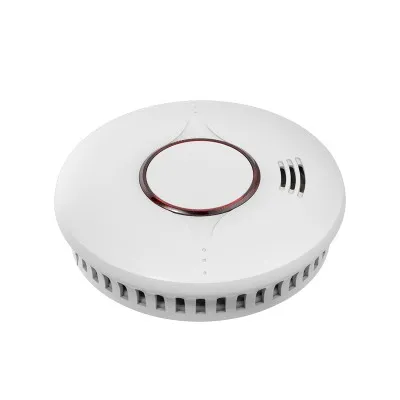




In the realm of commercial building safety, the selection of appropriate fire detection systems is of paramount importance. Among the various types of fire detectors available, hardwired heat detectors stand out as a reliable option. As a supplier of hardwired heat detectors, I am often asked whether these devices are suitable for commercial buildings. In this blog post, I will explore the features, advantages, and limitations of hardwired heat detectors in the context of commercial applications.
How Hardwired Heat Detectors Work
Hardwired heat detectors are designed to sense changes in temperature within a specific area. They operate on the principle that a significant increase in temperature can indicate the presence of a fire. There are two main types of hardwired heat detectors: fixed-temperature and rate-of-rise.


Fixed-temperature heat detectors are set to activate at a pre-determined temperature, typically between 57°C (135°F) and 74°C (165°F). When the ambient temperature reaches this set point, the detector triggers an alarm. Rate-of-rise heat detectors, on the other hand, are designed to detect a rapid increase in temperature over a short period. If the temperature rises at a rate faster than a pre-defined threshold, the detector will also activate an alarm.
Advantages of Hardwired Heat Detectors for Commercial Buildings
Reliability
One of the primary advantages of hardwired heat detectors is their reliability. Unlike wireless detectors, which rely on batteries or radio signals, hardwired detectors are directly connected to the building's electrical system. This ensures a continuous power supply, reducing the risk of false alarms due to battery failure or signal interference.
Durability
Hardwired heat detectors are built to last. They are typically housed in robust enclosures that can withstand harsh environmental conditions, such as dust, moisture, and extreme temperatures. This makes them suitable for use in a wide range of commercial settings, including warehouses, factories, and industrial facilities.
Compatibility
Hardwired heat detectors can be easily integrated into existing fire alarm systems. They can be connected to a central control panel, allowing for centralized monitoring and management of the fire detection system. This makes it easier for building owners and managers to ensure the safety of their premises.
Cost-Effectiveness
In the long run, hardwired heat detectors can be a cost-effective solution for commercial buildings. While the initial installation cost may be higher than that of wireless detectors, the lower maintenance and replacement costs over time make them a more economical choice.
Applications of Hardwired Heat Detectors in Commercial Buildings
Warehouses and Storage Facilities
Warehouses and storage facilities often store large quantities of flammable materials, making them particularly vulnerable to fires. Hardwired heat detectors can be installed in these areas to provide early detection of fires, allowing for prompt evacuation and fire suppression.
Industrial Facilities
Industrial facilities, such as factories and manufacturing plants, are exposed to a variety of fire hazards, including electrical malfunctions, chemical spills, and combustible dust. Hardwired heat detectors can be used to monitor these areas and provide early warning of potential fires.
Commercial Kitchens
Commercial kitchens are prone to fires due to the use of open flames, hot surfaces, and flammable cooking oils. Heat Alarm For Kitchen can be installed in these areas to detect fires quickly and prevent them from spreading.
Garages
Garages are another area where hardwired heat detectors can be useful. They can detect fires caused by vehicle malfunctions, such as engine fires or electrical short circuits. Smart Heat Detector For Garage can provide early warning and help prevent damage to vehicles and property.
Limitations of Hardwired Heat Detectors
Installation Complexity
The installation of hardwired heat detectors can be more complex and time-consuming than that of wireless detectors. It requires running electrical wiring throughout the building, which can be costly and disruptive.
Limited Coverage
Hardwired heat detectors are typically installed at fixed locations, which means they may not provide complete coverage of a large area. Additional detectors may be required to ensure adequate protection.
False Alarms
Like all fire detectors, hardwired heat detectors can be prone to false alarms. Factors such as high temperatures, steam, and dust can trigger false alarms, which can be a nuisance for building occupants and emergency responders.
Choosing the Right Hardwired Heat Detector for Your Commercial Building
When choosing a hardwired heat detector for your commercial building, it is important to consider several factors, including the type of building, the fire hazards present, and the specific requirements of your fire safety plan. Here are some tips to help you make the right choice:
Determine the Type of Detector
As mentioned earlier, there are two main types of hardwired heat detectors: fixed-temperature and rate-of-rise. Consider the specific needs of your building and choose the type of detector that is most appropriate.
Consider the Installation Location
The location of the detector is crucial for its effectiveness. Install the detector in areas where fires are most likely to occur, such as near heat sources, electrical equipment, and flammable materials.
Look for Compatibility
Make sure the detector is compatible with your existing fire alarm system. This will ensure seamless integration and reliable operation.
Check for Certification
Look for detectors that are certified by recognized testing laboratories, such as UL or FM. This will ensure that the detector meets the highest standards of quality and performance.
Conclusion
In conclusion, hardwired heat detectors are a reliable and effective solution for fire detection in commercial buildings. They offer several advantages, including reliability, durability, compatibility, and cost-effectiveness. However, they also have some limitations, such as installation complexity and limited coverage. When choosing a hardwired heat detector for your commercial building, it is important to consider the specific needs of your building and choose the type of detector that is most appropriate.
If you are interested in learning more about our hardwired heat detectors or would like to discuss your fire safety needs, please contact us. Our team of experts is available to provide you with personalized advice and assistance. We look forward to helping you protect your commercial building and its occupants from the threat of fire.
References
- National Fire Protection Association. (2019). NFPA 72: National Fire Alarm and Signaling Code.
- International Building Code. (2018). International Code Council.
- Underwriters Laboratories. (2020). UL 521: Standard for Heat Detectors for Fire-Protection Signaling Systems.


